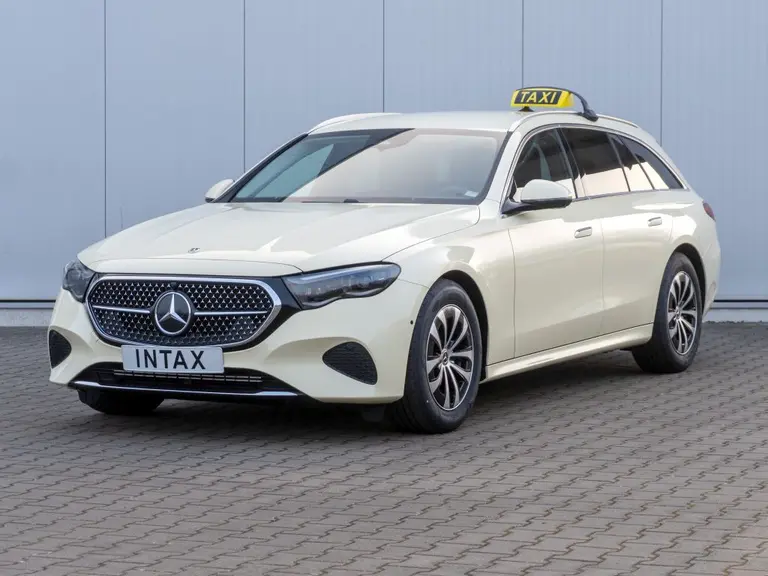


















































Instead of Mercedes E-Class Taxis, Chinese EVs… BYD Targets Germany’s Taxi Industry
The Mercedes-Benz E-Class, a semi-large sedan, was once a symbol of German taxis. The long line of ivory-colored taxis at the arrival terminal of Frankfurt International Airport often left a deep impression on travelers visiting Germany for the first time. Above all, it was because Mercedes-Benz, a premium brand, was being used as taxis. However, as Mercedes-Benz has decided not to offer a taxi version of the current W214 E-Class, the German taxi industry has been forced to make new choices. For reference, Mercedes-Benz has also discontinued taxi versions of the B-Class and C-Class.
In addition, legal regulations from German local governments also had to be considered. Hamburg, one of Germany’s major cities, has firmly stipulated that, as of January 1, 2025, newly registered rental cars and taxis must be zero-emission vehicles. Amid regulatory pressure and the need for the industry to find new vehicle supply sources, it was Chinese automaker BYD that extended a helping hand at this time.
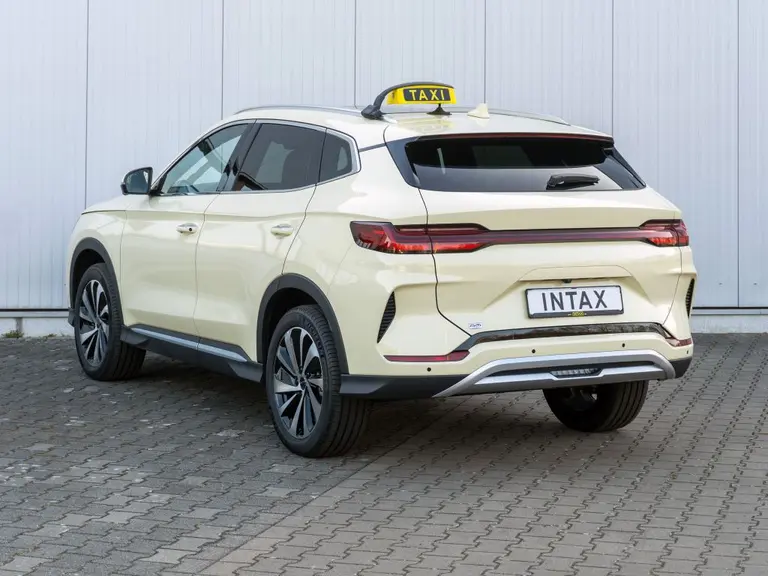
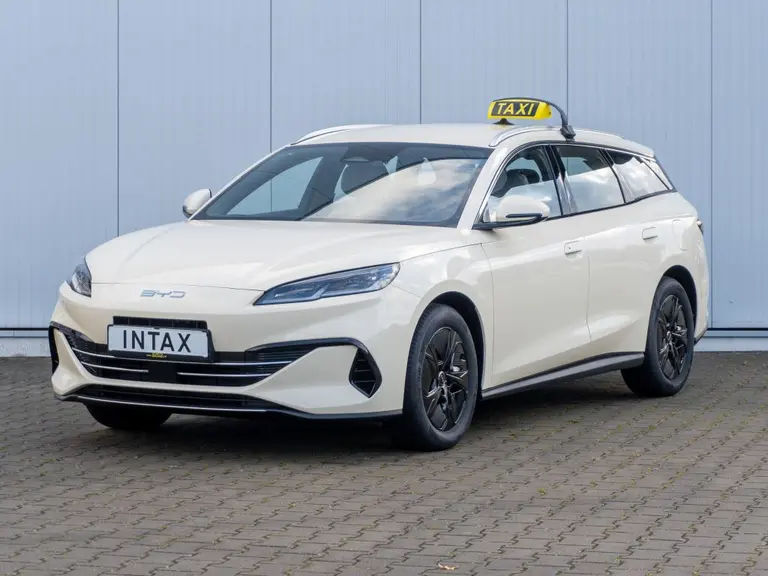
BYD is actively pursuing strategies to target the taxi and rental car market that Mercedes-Benz has withdrawn from. First, it has secured local taxi-specialized conversion companies as partners. These companies convert BYD vehicles into taxis and rental cars. They are reborn as vehicles that can operate in compliance with local regulations, including exterior wrapping, installation of taxi meters, mounting roof advertising signs, and emergency alarm systems. The interior trim is also changed to focus on stain-resistant plastics. Among the BYD taxis supplied in this way, approximately 100 units are kept in BYD’s permanent inventory. This is to minimize downtime caused by accidents and repairs.
BYD is currently supplying various models to taxi and rental car companies depending on the business region and purpose. These include the plug-in hybrid (PHEV) model ‘Seal 6 DM-i Touring’, and the pure electric vehicles ‘Sealion 7’ and ‘Atto 3’.
Going forward, Mercedes-Benz E-Class taxis are expected to become increasingly rare in Germany. Their place will be filled by hybrid and electric vehicles from mass-market brands. Germany is not the first country where BYD has entered the taxi market. BYD is expanding its influence across various countries and regions, including Mexico, Colombia, Chile, the Philippines, Thailand, the United Arab Emirates, and India. Domestically, numerous BYD electric buses are also in operation.