















































All of Kanatchikova’s dacha rushed to the TV: gasoline as a diagnosis
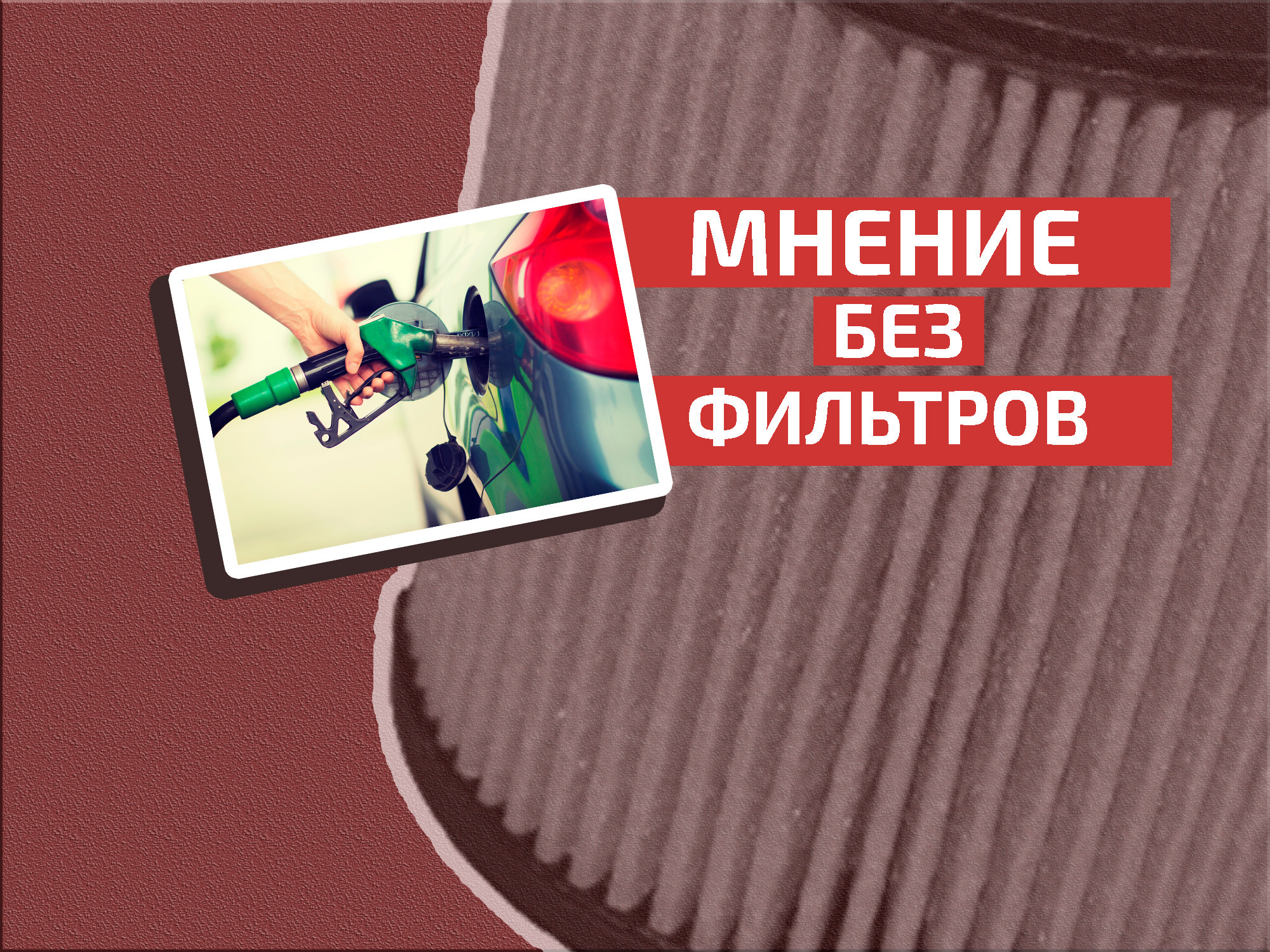
I really didn’t want to touch the topic of gasoline—it feels too much like clickbait. But the hysterics and opinions spreading across both shady websites and social media, as well as in quite popular and respected media outlets, simply drive me crazy. It gives the impression that sometimes now on TV, people are speaking who used to watch it while sitting in a mental institution. I won’t even mention the internet. So, what do I personally think about fuel?

Let’s start with its quality. Naturally, I don’t believe all the shouting like “look, I filled up with Euro-3, and everything broke down.” That’s not how it works. The main difference with such gasoline is the allowable amount of sulfur, which can’t immediately ruin an engine. Of course, if you force a turbocharged, small-displacement direct-injection engine to constantly run on this fuel, there will be consequences. But not right away. And for engines with port injection, there’s virtually no harm at all. Though I would still recommend changing the oil more often. But I will never believe in detonation or fuel pumps instantly dying because of Euro-3 fuel—that’s physically impossible. I should also note that a half-dead fuel pump in an old car failing right after refueling with absolutely any gasoline is a classic situation, because during refueling, debris from the bottom of the tank can get stirred up, finishing off an already weak pump. The quality of the gasoline has nothing to do with it. The only things definitely at risk with long-term (very long-term!) use of Euro-3 gasoline are direct injection nozzles and, to some extent, the areas where soot traditionally accumulates in direct-injection engines (intake valves, combustion chambers, and other parts, including the EGR valve). But none of this breaks immediately after refueling. You’d have to drive on Euro-3 gasoline for a very long time and take very poor care of your car to notice the difference.
The second question: is the gasoline shortage actually that severe? Well, you’d have to be a complete idiot or a bureaucrat who loves their job too much to deny the shortage entirely or claim with a straight face that the cause of the fuel shortage is panic buying. In some places, the situation is better; in others, worse; and somewhere, it’s very bad. Of course, the latter applies to the new regions—there’s practically no gasoline there—but in the rest of Russia, it’s not that bad. But what should we prepare for?
I won’t make predictions about Crimea and nearby territories: everything there is too unpredictable. But in the rest of the country, the situation will definitely improve. Just not soon enough or to the extent that we’ll quickly forget that gasoline can run short. Refineries are currently operating at their limits, logistics are changing, so I’m confident that in the coming weeks, something will change for the better. However, there’s one “but.” Repairing imported equipment to bring idle oil refineries back online is currently very difficult and expensive. And the refineries that are working like crazy are unable to shut down for scheduled maintenance. So it won’t be easy, and I don’t expect an abundance of gasoline in the near future. Maybe we’ll really have to compensate for the fuel shortage with help from India, Kazakhstan, or someone else, but you understand that’s a temporary solution. Still, we shouldn’t forget about it, so I’ll repeat: the situation will, of course, improve. But not as much as we’d like.
And most importantly: problems undoubtedly exist. But hyping them up, growing an audience with idiotic social media posts, and spreading panic are the most thankless tasks. The only thing worse might be completely denying the problem exists. Though, blind people aren’t allowed behind the wheel here anyway.