










































Buying Solaris KRX: What Kind of Car Is It and What Makes It Interesting
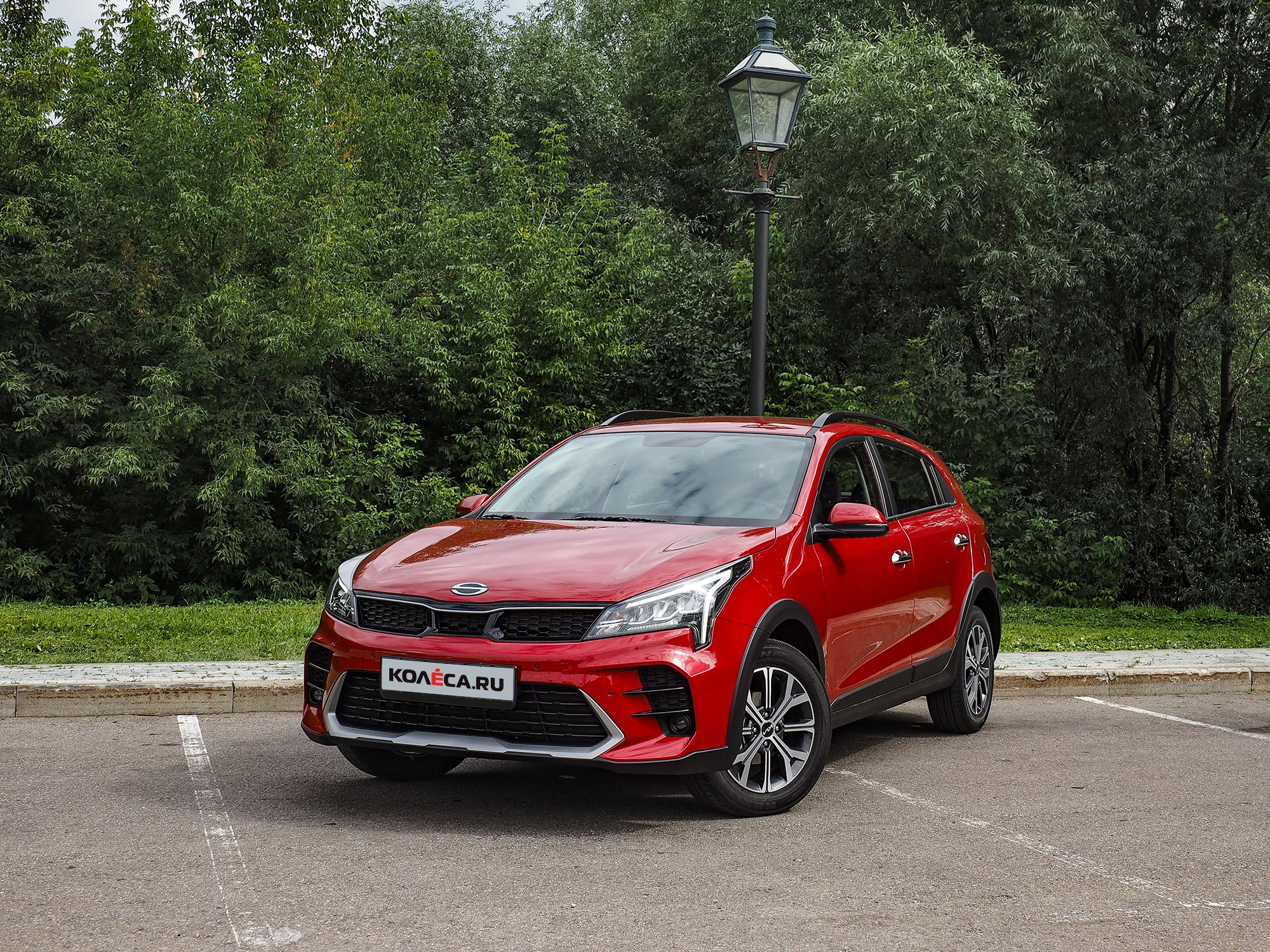
The modern automotive market is full of new names, but many are looking for familiar images and designations. The Solaris KRX combines both: behind the name lies the recognizable profile of a cross-hatchback with a long-standing reputation. And what’s especially important, after all these years, it remains just as relevant. How does it manage to do this?
What lies behind the name Solaris KRX and what makes this car particularly good?
At first glance at the Solaris KRX, its heritage is easy to read. The name Solaris clearly hints at Korean roots, and the model name KRX easily suggests the Kia Rio X, confirmed by the familiar appearance and the logo on the steering wheel. This hatchback is like an old acquaintance that doesn’t require a long introduction.
Perfection requires no changes
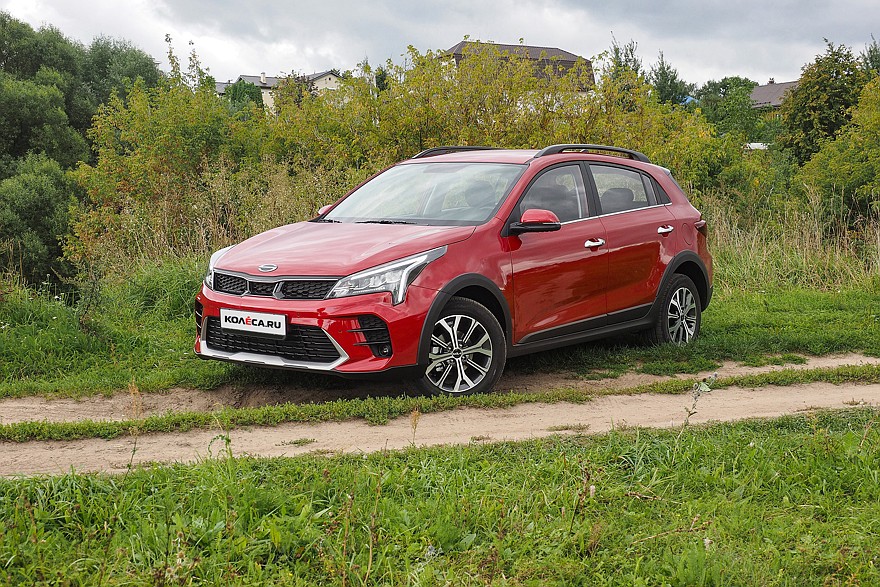
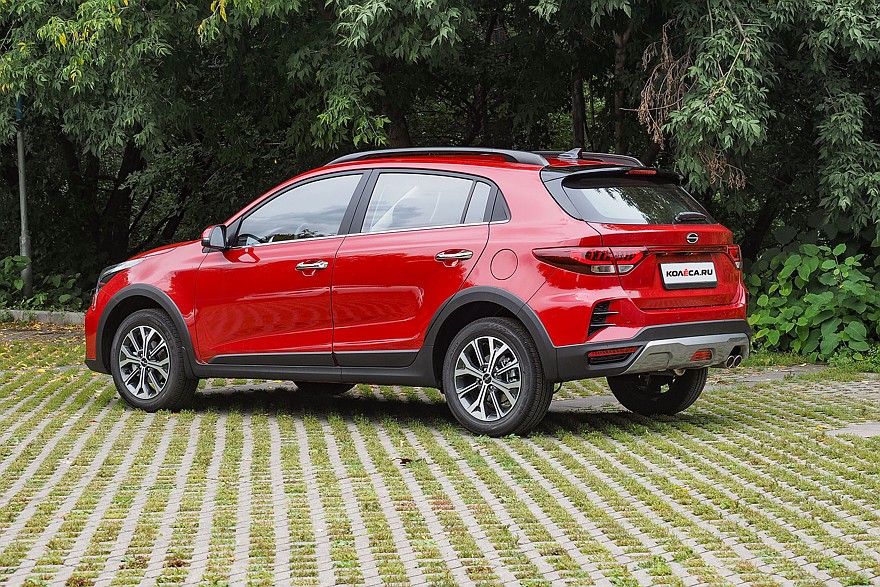
No fundamental changes occurred in the model during its transformation into the Solaris KRX. It is still the same hatchback on the familiar Korean platform, with front-wheel drive and a solid ground clearance of 190-195 mm depending on wheel size. Ground clearance is doubly important for it, because it’s not just a hatchback, but a cross-hatchback with unpainted plastic body cladding, so it’s fair to expect from it, if not off-road feats, then at least the ability to pull onto a dirt road without hitting the first rock with its underbody. And the KRX meets these expectations one hundred percent.
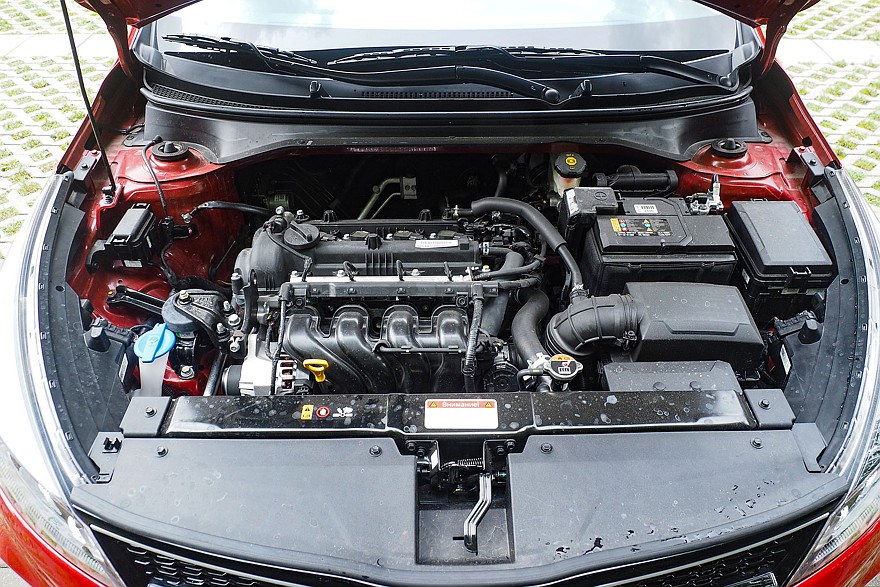
The powertrain is also unchanged, and that too is a big plus. The KRX offers one engine – the 1.6-liter G4FC. It delights with a set of reliable and efficient solutions: a timing chain drive, multipoint injection, variable valve timing on both camshafts, and the ability to easily digest AI-92 gasoline. Over the years of production, the engine has been modernized, and attention was paid, among other things, to the catalytic converters: improved cooling allowed stabilizing their service life. As a result, the engine has become virtually flawless, with a reliability margin for hundreds of thousands of kilometers.
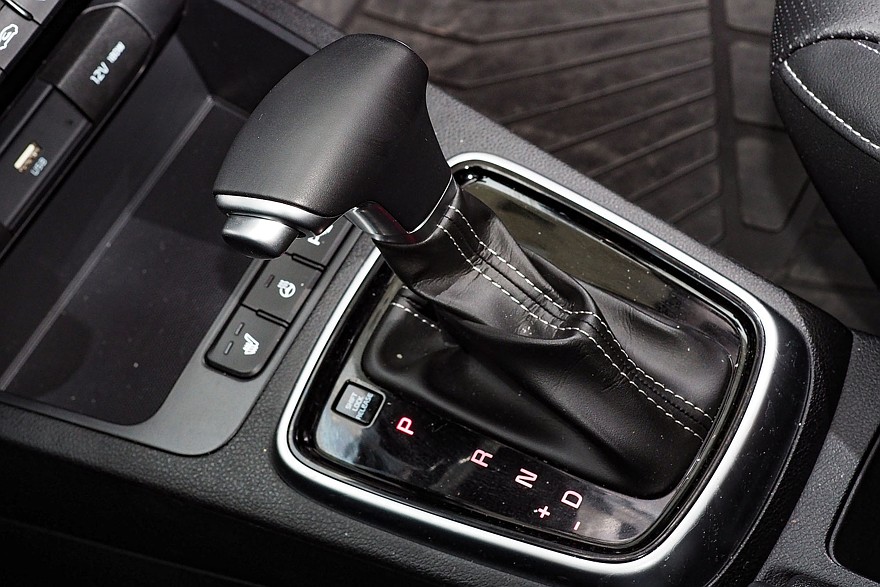
There are two transmissions to choose from, a manual and an automatic, both with 6 gears. Both have proven to be very reliable. On the Solaris KRX, this is especially logical: the car’s weight of 1.2 tons and torque of 151 Nm do not overload the transmission, so the gearboxes last a long time.
The KRX’s chassis has not undergone any changes: it’s MacPherson struts at the front and a semi-independent torsion beam at the rear, which also promises high durability and ease of maintenance. The rear brakes can be chosen: in base trims, they are drums, while in more expensive versions, they are disc mechanisms. By the way, an additional argument in favor of the expensive versions is the ground clearance. If you plan to drive on bad roads, it makes sense to consider buying the top trim with 195/60 R16 wheels, which provide 195 mm of ground clearance instead of 190. Yes, 5 mm is very little, but sometimes it’s precisely those few millimeters that are missing.
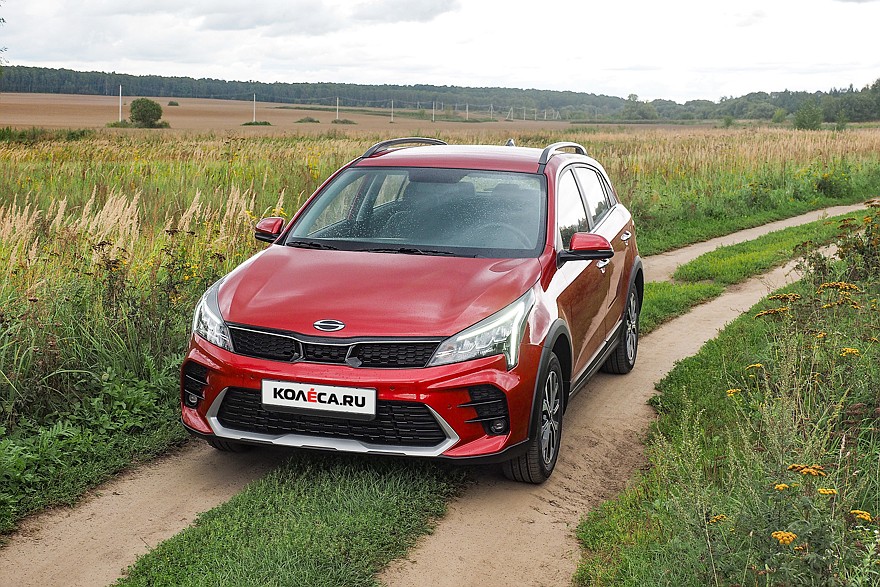
Another important advantage of the Solaris KRX in Russia is that it was created, not adapted, for our conditions, roads, and climate. The body is, of course, galvanized and additionally treated with anti-gravel compounds, and the hidden cavities have wax treatment. Seams and joints are reliably sealed to prevent moisture from entering where it can accumulate, causing corrosion.
Balance of trims and rich equipment
A thorough approach is also felt in the formation of the trims. Even in the base version, there are absolutely all the key options that will allow you to feel like you are driving a modern and up-to-date car. Air conditioning, a full set of power windows (driver’s is automatic), steering wheel adjustment for reach and rake, leather-wrapped steering wheel and gear selector, heated front seats, steering wheel, and side mirrors, a tire pressure monitoring system, and a set of the most important active safety systems. That is, even the starting trim is formed so that the buyer does not feel that “something was skimped on” or is forced to pay extra for some important options.
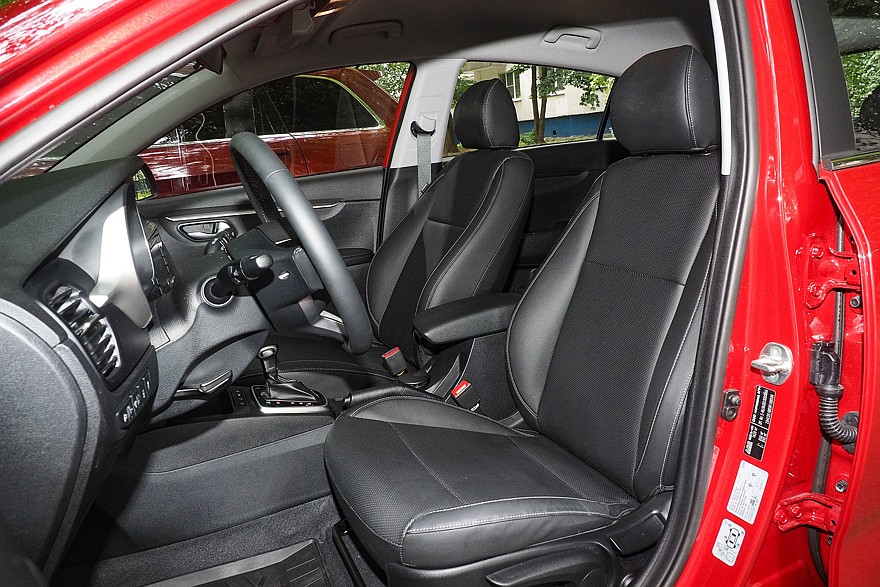
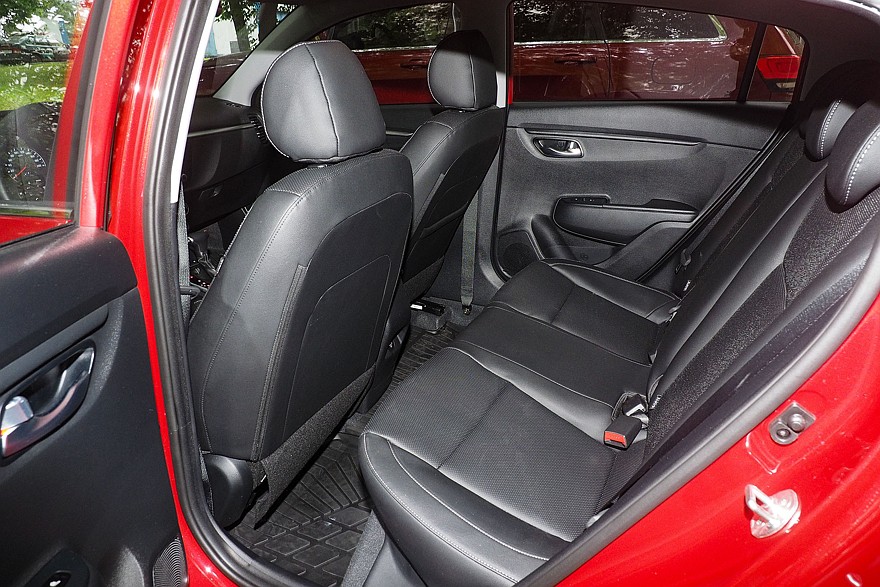
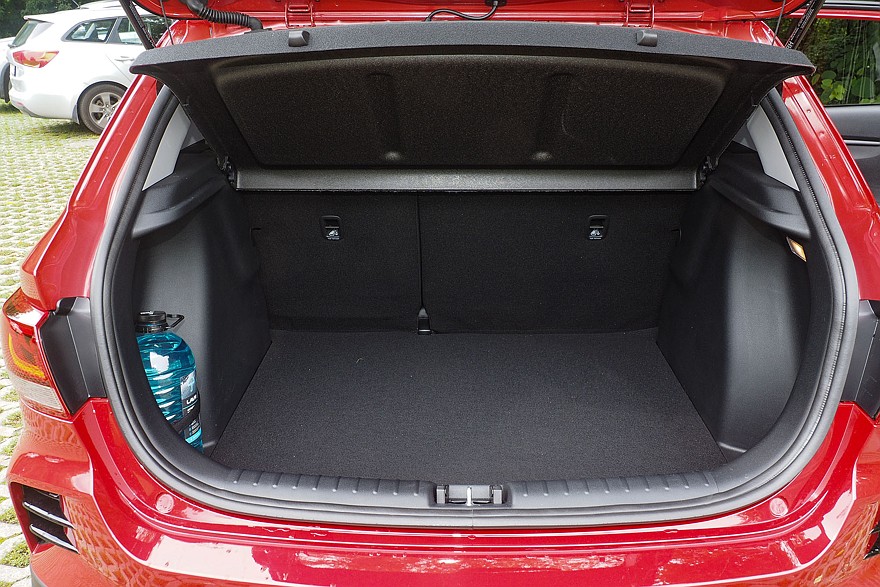
As the price increases, there are more pleasant options. The windshield, windshield washer nozzles, and rear seats get heating, parking sensors and a rearview camera appear at the rear, the air conditioner is replaced by climate control, the multimedia system gets an 8-inch screen with support for Apple Carplay and Android Auto, cruise control buttons appear on the steering wheel, daytime running lights become LED, and the rear brakes become disc. Importantly, the choice of transmission is not limited by the trim: an automatic transmission can be obtained in both mid-range and starting versions.
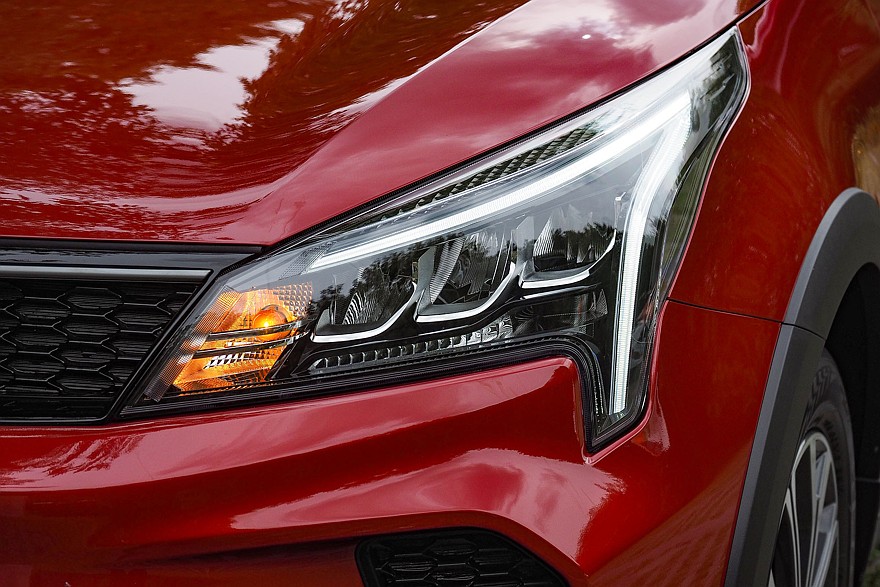
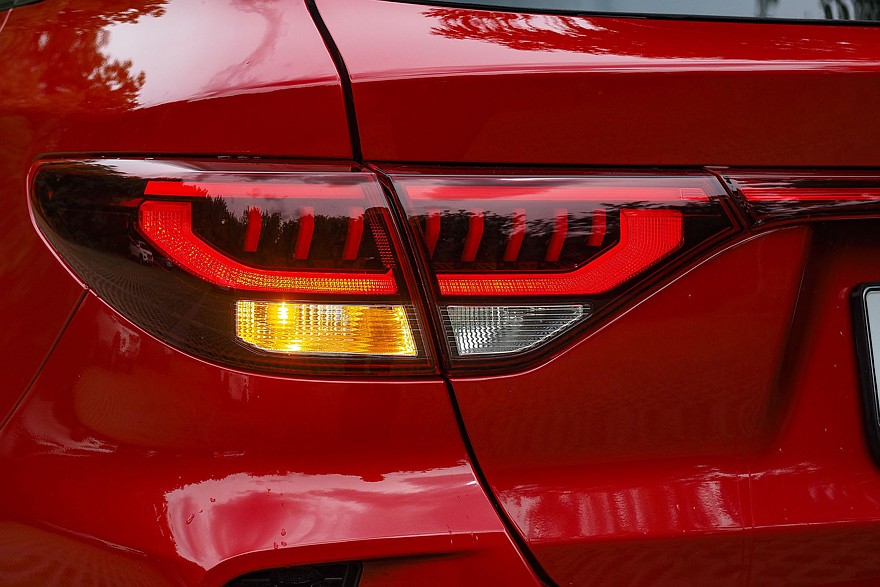
Well, the top trim can please with useful functions and pleasant luxuries. For example, the headlights here are LED, with cornering lights, and an antenna in the shape of a shark fin is installed on the roof – by this you can unmistakably recognize the maximally equipped KRX. The interior is trimmed in artificial leather, and the instrument panel is equipped with a color screen. Keyless entry, standard navigation, and front parking sensors also appear in this version, and the driver will be pleased with power-adjustable lumbar support.
Peace of mind for years to come
Buyers of “analog” cars like the Solaris KRX value not only reliability, reputation, and simplicity, but also the feeling of confidence in the car. And it consists of several important factors. First of all, this is, of course, the warranty: for Solaris, it is 3 years or 100,000 kilometers. Well, another important component is detailed spare parts catalogs and a wide selection of parts. The owner of a new car under warranty, of course, does not need this, but when the question of selling arises, it is technical transparency that will become one of the main tools for maintaining high residual value.
How much do confidence and comfort cost?
Now that it has become clear that the Solaris KRX is exactly that familiar car that many are looking for in today’s foggy market, it remains to clarify how much the confidence of owning it costs. Like other qualities, the price also remains a strong point. The starting price of the KRX with a manual transmission is 2,335,000 rubles, and with an automatic – 2,535,000. It is not surprising that many buyers prefer the proven cross-hatchback over another new crossover without a long-standing reputation. In the modern new car market, reliability and stability are valued more than ever.