















































Lithium iron phosphate surges nearly double, yet supply still falls short of demand
As a core cathode raw material for power batteries and energy storage batteries, the price of lithium iron phosphate has continued to rise this year, with the market experiencing a doubling in price while demand remains robust.
Data shows that, based on spot quotes, the current market price for a package of approximately 400 kilograms of lithium iron phosphate has exceeded 25,000 yuan, nearly double the 10,000 yuan price from a year ago. Unlike conventional goods where price increases dampen purchasing willingness, downstream buyers have maintained high enthusiasm for procurement during this round of price hikes, resulting in generally tight market supply.
There are two core driving logics behind this upward price trend: on one hand, the rapid increase in exports of new energy vehicles and energy storage products has continuously driven rigid procurement demand for lithium iron phosphate; on the other hand, rising costs of key upstream raw materials have increased production expenses, providing firm support for lithium iron phosphate prices. The simultaneous changes in the supply-demand dynamics of the entire industrial chain have also lifted lithium iron phosphate out of its previous prolonged downturn, leading to a phased adjustment in the industry’s operational logic.
Strong simultaneous growth in downstream domestic and foreign demand
Previously, the lithium iron phosphate industry experienced a prolonged period of overcapacity and sustained price pressure, with a common market perception that “price increases suppress demand.” The current trend breaks this pattern, primarily because the real demand from downstream applications provides strong support, and price hikes have not undermined the fundamentals of procurement.
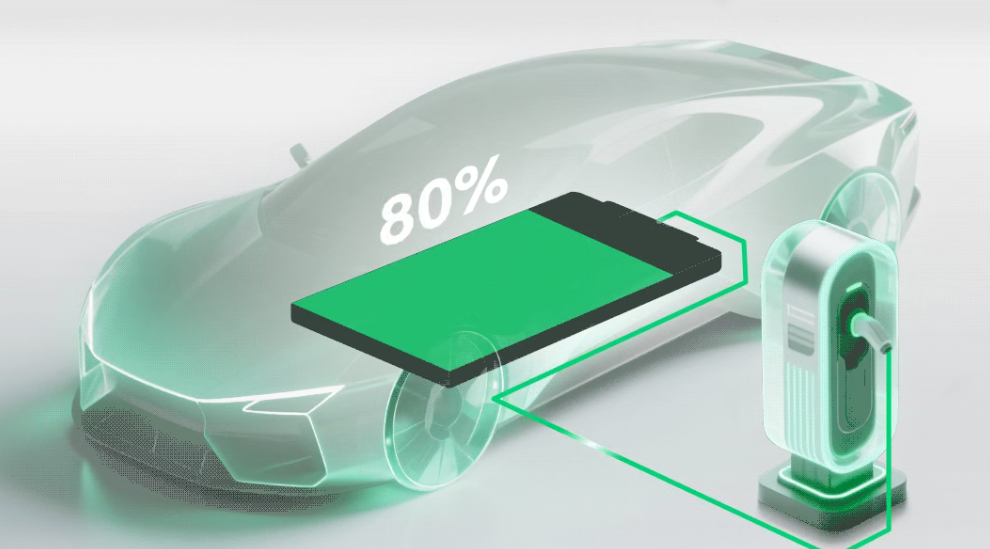
The two core application scenarios for lithium iron phosphate are new energy vehicle power batteries and energy storage batteries, which are also the main drivers of this demand expansion. In terms of vehicle exports, the pace of Chinese new energy vehicles going overseas continues to accelerate, with overseas markets increasingly accepting high-safety, cost-effective lithium iron phosphate battery models. The surge in vehicle exports directly drives supporting power battery companies to expand production and stockpile, which in turn transmits to the upstream cathode material procurement end.
The growth momentum in the energy storage sector is even more pronounced, with large-scale energy storage power stations, commercial and industrial energy storage, and residential energy storage projects being implemented both domestically and internationally. Leveraging its advantages in safety and cycle life, lithium iron phosphate is the most mainstream choice for energy storage cells, and the expansion of energy storage installations brings stable incremental orders.
Beyond the support of real rigid demand, the industry’s inventory structure has further exacerbated the tight spot supply situation. Over the past two years, as lithium iron phosphate prices continued to decline, midstream and downstream battery companies and material traders actively reduced raw material stockpiles, keeping overall inventory at relatively low levels. Faced with expectations of demand recovery, downstream cell manufacturers and vehicle supporting companies have chosen to lock in long-term contracts at fixed prices and stockpile in bulk in advance. Even as lithium iron phosphate prices continue to rise, they have not reduced procurement scales, creating a market characteristic where the higher the price, the more active the purchasing.
This supply-demand mismatch has directly altered companies’ production scheduling. Many lithium iron phosphate producers are operating at full capacity, with finished product outbound pace accelerating, delivery cycles tightening passively, and order backlogs continuously extending. The sustainability of demand has also become the underlying logic enabling this round of lithium iron phosphate price increases to materialize and maintain continuity, rather than being a speculative, short-term spike driven by capital.
Upstream raw material costs rise
Apart from downstream demand pull, rising production costs are another key factor driving up lithium iron phosphate quotes, forcing product pricing to adjust passively in line with raw material costs. From a production formula perspective, lithium iron phosphate is primarily synthesized from iron phosphate and lithium carbonate, with glucose as an auxiliary material. The cost structure of the industrial chain is clear, with iron phosphate accounting for about 30% of total raw material costs, making it a key variable affecting production costs.
Since the beginning of this year, the market price of iron phosphate has shown a clear upward trend, directly raising the basic production cost of lithium iron phosphate. The production of iron phosphate itself relies on the phosphorus chemical industry chain. Price fluctuations in upstream intermediates such as sulfur and phosphoric acid are transmitted layer by layer to the iron phosphate segment. The pressure from rising raw material costs cannot be absorbed internally and must be passed on to downstream lithium iron phosphate companies.
Another core raw material, lithium carbonate, has also been on a recovery path in price this year. Lithium carbonate accounts for a higher proportion of the raw material cost of lithium iron phosphate, making the total cost of the finished product more sensitive to lithium price fluctuations. The simultaneous price increases of these two major materials create dual cost pressure, compressing the original profit margins of lithium iron phosphate producers.
Constrained by the industry’s capacity structure, it is difficult for companies to offset raw material price increases by expanding production to dilute costs. During the deep loss cycle in the industry in previous years, a large number of small and medium-sized, inefficient production capacities lacking upstream resource support gradually exited the market, reducing the overall effective supply elasticity of the industry. Even if product profitability recovers, building new production lines or retrofitting and commissioning existing ones involves long lead times, making it impossible to quickly release incremental capacity in the short term to balance supply and demand.
In summary, this round of price increases is not driven by a single factor but is the result of a two-way interaction between demand pull and cost pass-through. The price trend has a clear basis in the actual conditions of the industrial chain.
From a medium to long-term perspective, the subsequent trend of lithium iron phosphate will still depend on two major variables: first, whether the real installation demand for downstream new energy vehicles and energy storage can maintain resilience, determining the long-term procurement space; second, the pace of supply release for upstream phosphorus ore and lithium carbonate, affecting the magnitude of cost-side fluctuations. For companies in the industrial chain, simply passively following market price fluctuations offers weak risk resistance. Moving upstream to layout mineral resources and build an integrated industrial chain has become the mainstream choice to hedge against cyclical fluctuations.
For downstream battery and vehicle manufacturers, rising raw material prices will gradually be transmitted to cell production costs. This will subsequently force upstream and downstream parties to negotiate long-term pricing models to smooth out the operational pressure caused by sharp spot price fluctuations.
Overall, this round of lithium iron phosphate price increases is not a short-term speculative trend but a cyclical adjustment driven by the recovery of downstream demand for new energy and the restructuring of industrial chain costs. The subsequent price trends and changes in supply-demand balance will also serve as important barometers for observing the prosperity of the new energy industrial chain.