


























Sollers for the near future: Atlanta is no more, gearbox localization and a new “seven
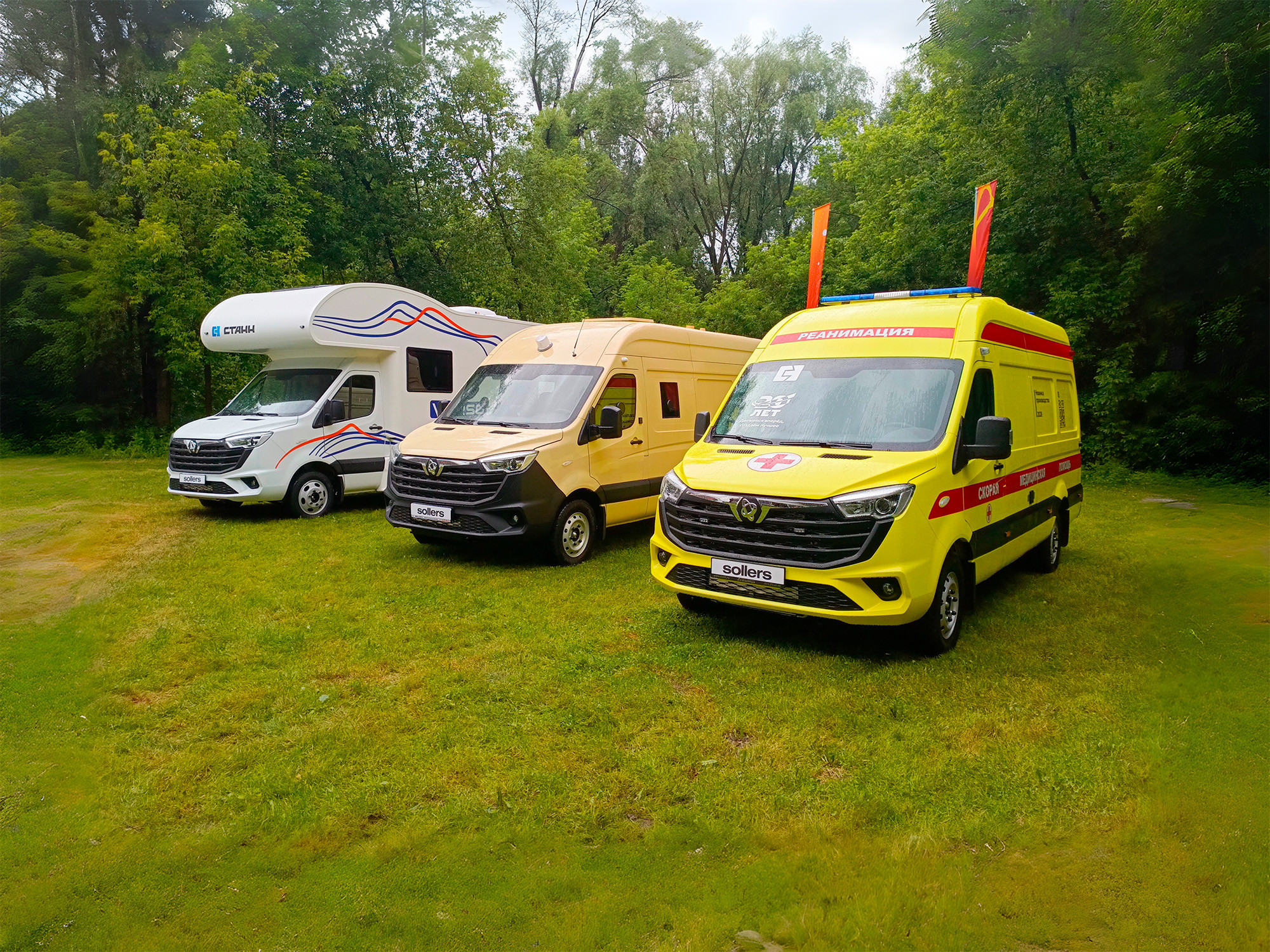
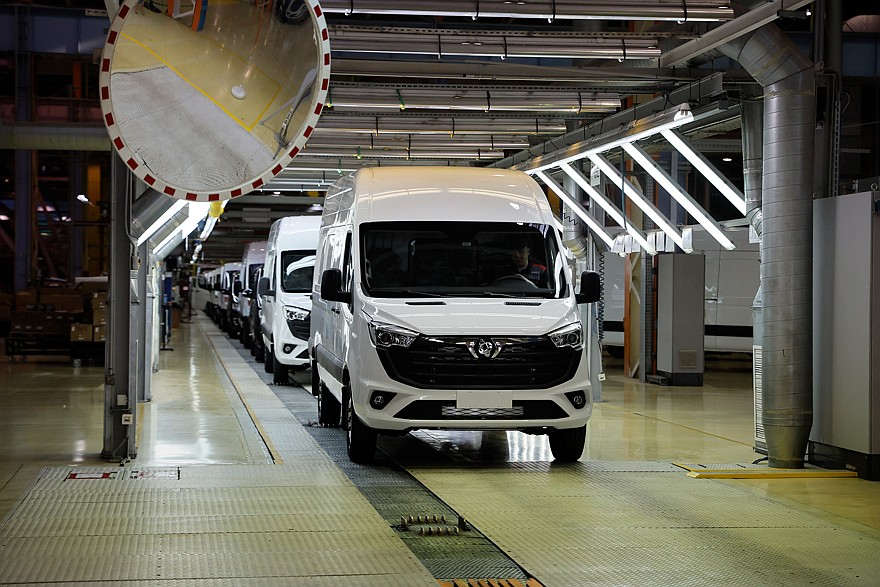
Presenting a wide range of versions of the new Sollers SF5 van at the event, the manufacturer shared the company’s plans for the near future. They are quite interesting, so we will share them without holding anything back.
No Place for Legends Here
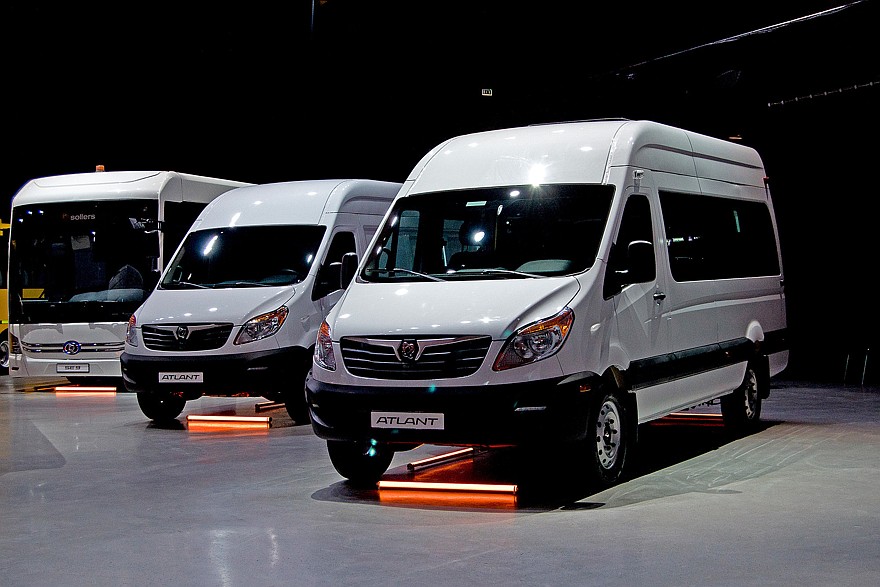
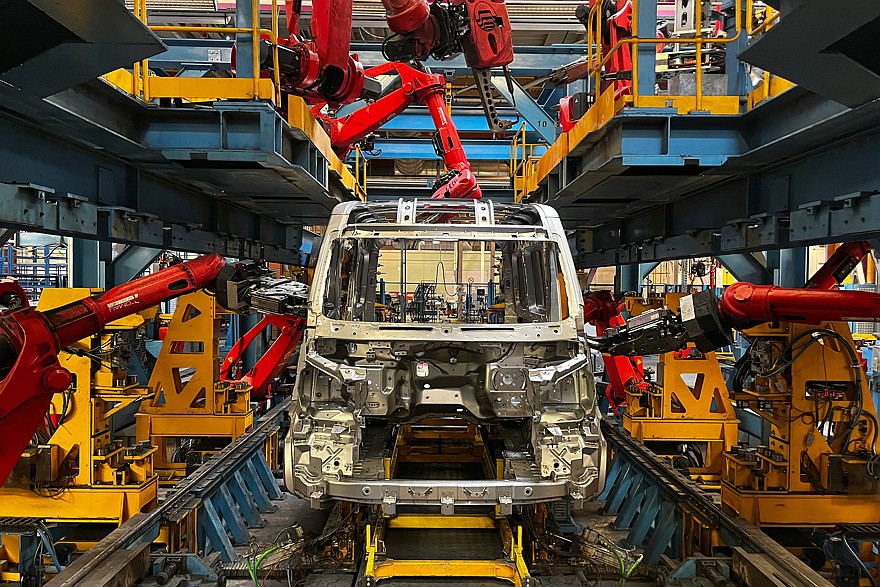
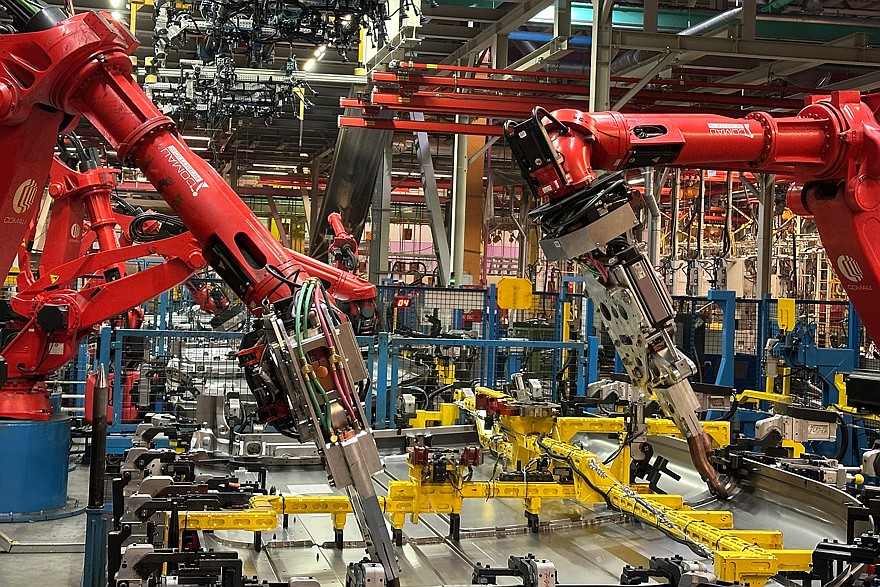
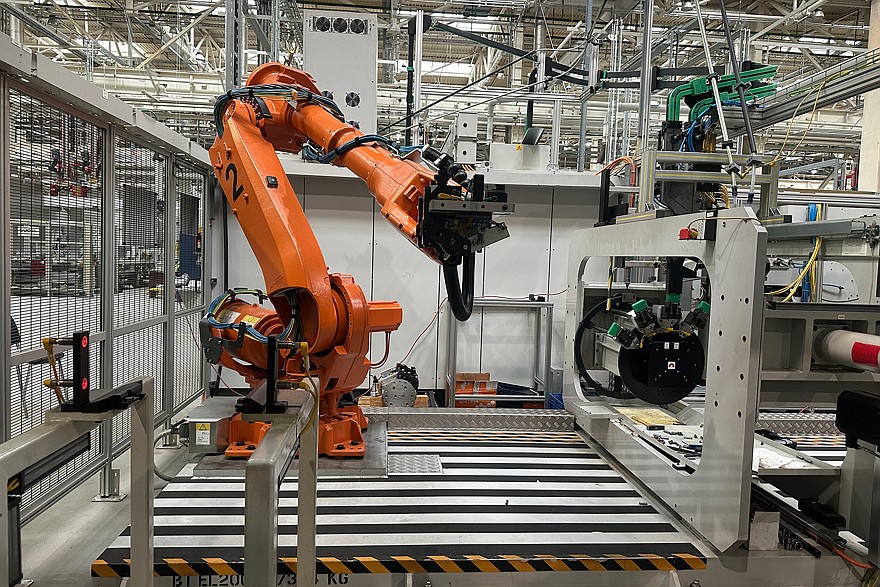
Let’s start, perhaps, with a topic that is on everyone’s lips not figuratively, but literally – the product nomenclature. As many have probably already understood, the initially chosen practice of naming models with individual words – specifically, proper names from ancient mythology, likely chosen with an eye on former partners – has been replaced by alphanumeric coding. The first to die was Atlant, which turned into the SF5. Its localization level reaches 83%, allowing the recycling fee to be fully offset. Not many domestic brands can boast such achievements. But we will talk about this in more detail a little later, and for now let’s return to the names.
When the enterprise was relaunched in 2022, the goal was to start as quickly as possible to maximize factory utilization after Ford’s departure. For this purpose, the two most suitable models at that time were chosen, which became Atlant and Argo. Based on previous experience, the company assumed that two vehicles would be more than enough for systematic development and prosperity. But appetite, as we know, comes with eating.
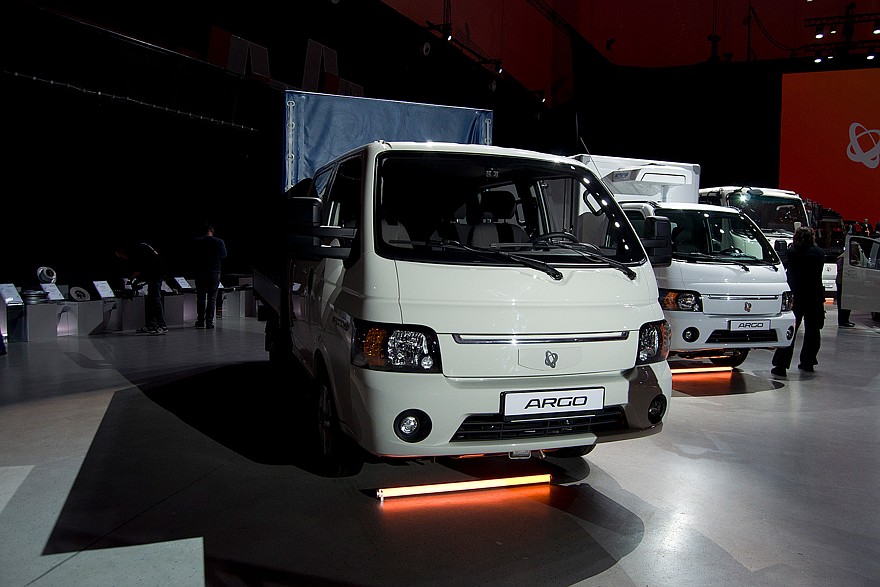
Ambitions stirred by significantly increased technological freedom led to a massive expansion of the model range, which today includes commercial transport from several segments. Navigating it is much easier for both the consumer and the manufacturer with the help of properly formed alphanumeric codes that reflect the essence of a particular lineup, rather than just some words. Even if they are very beautiful, even the most ancient ones.
Thus SF was born. However, the company does not clearly state what this abbreviation stands for, preferring to keep an intriguing mystery and speculate on variations: “Sollers Van,” “Sollers Functional,” and so on. As a result, one Atlant turned into an entire SF lineup, which already includes the “one” and the “five.” Very soon the SF7 will appear, and guess who claims the vacant third position? That’s right, the first contender is the second founder of the company’s modern production program – Argo. Thus, the entire commercial lineup will be stitched into SF.
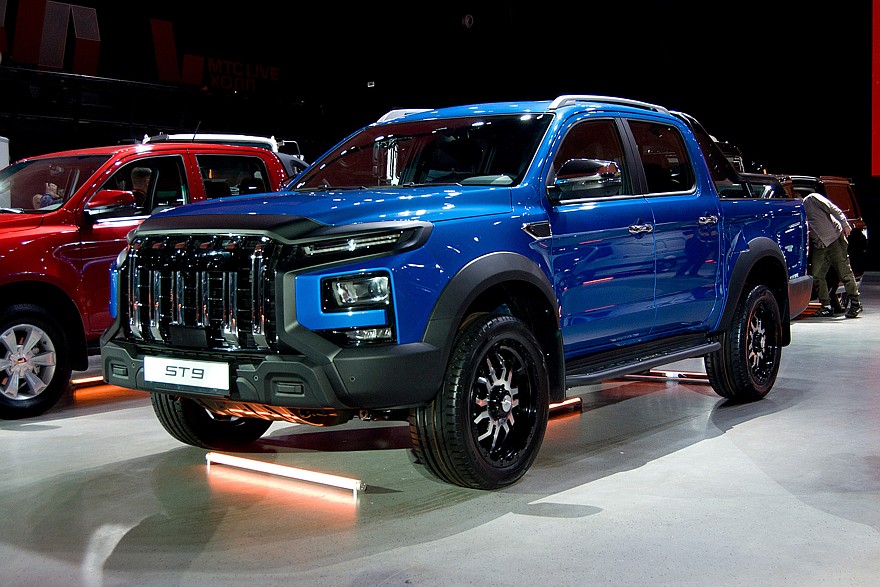
Moving on. SP is “Sollers Passenger,” which already includes the SP7 business van, which the manufacturer also promises to be “Sollers Premium.” SA is without a doubt “Sollers Buses.” TR (medium-duty lineup) – “trucks” from Trucks. But with ST there is a slight snag, since the word “pickups” starts with a different letter. But we all understand where the letter T came from in the abbreviation, so we won’t judge strictly and will simply get used to it. Especially since pickups are also partly “trucks,” but different ones. Hence ST.
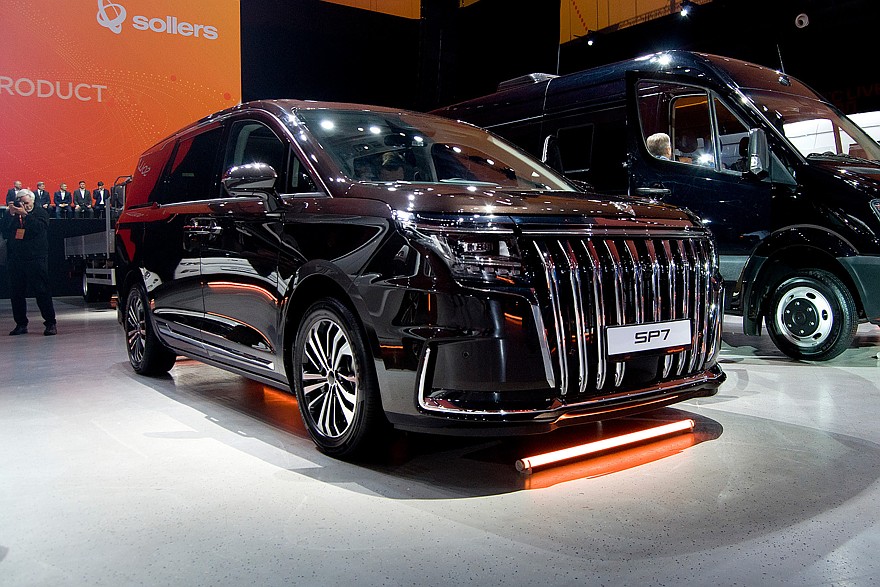
With such a model range, Sollers intends to storm the heights of the automotive Olympus (after all, one cannot do without Ancient Greece). According to plans, already in 2027, the combined sales of the still-current Argo, SF5, SF1, and the nearly mature SF7 should exceed 20% of the market.
A big bet in this regard is placed on the launch of the “seven” this year. The segment it targets is itself small – about 4,000 vehicles per year, of which on average 90% are buses and 10% are all-metal vans. But in the overall mass, it plays a certain role, so the “seven” has something to fight for.
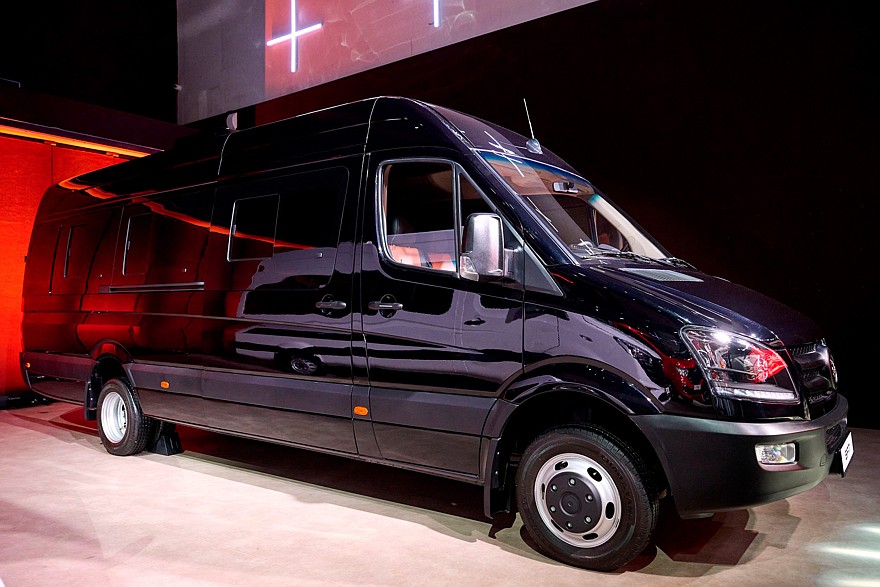
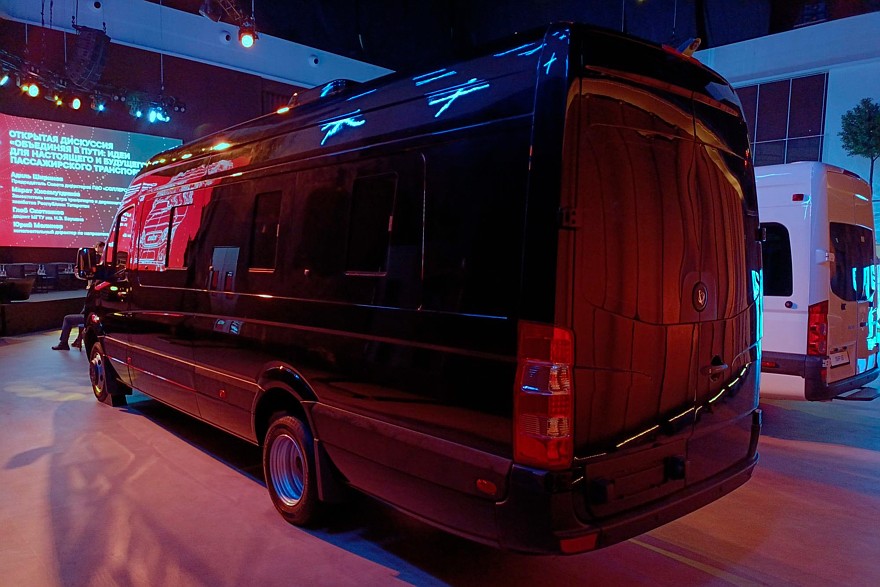
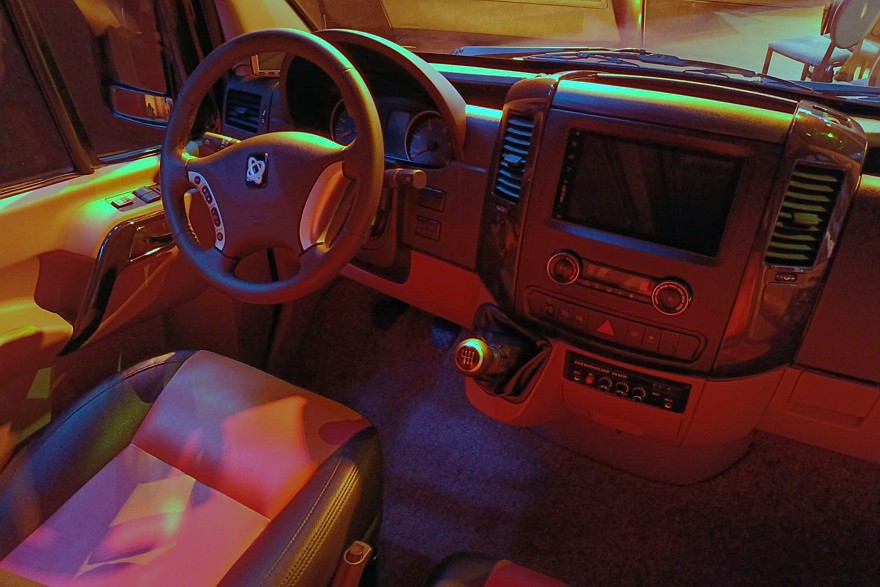
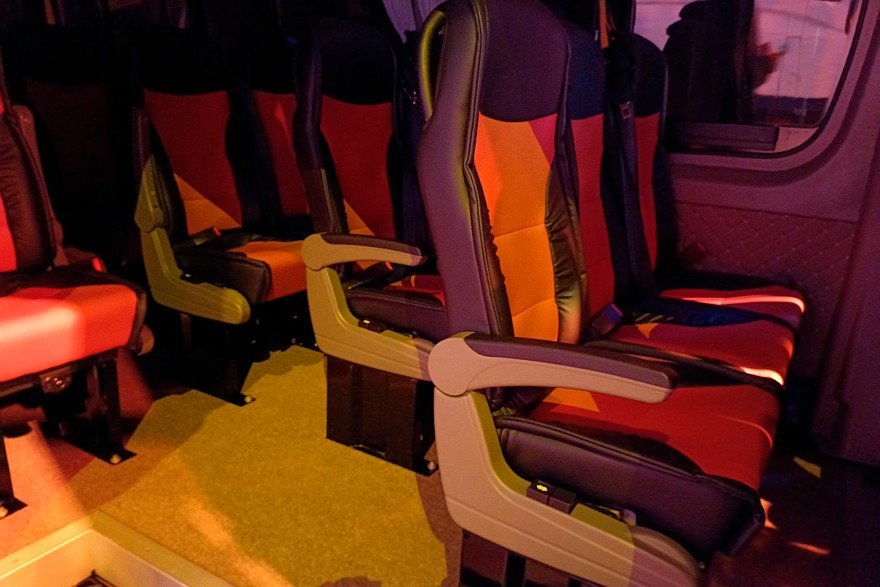
It should go into series production at the beginning of the fourth quarter of this year. This will be, let us remind you, a vehicle 7.5 meters long with an all-metal van capacity of about 18 cubic meters. Bus passenger capacity is 19+3 or 22+1. The powertrain base is familiar: a 2.7-liter 150-horsepower diesel HFC4DE1-1D paired with a 6-speed manual. An automatic will appear after its localization in the first half of 2028.
Six or Eight?
By the way, about automatic transmissions. An important component of the planned ascent to Olympus is the localization of the gearbox. It is not yet entirely clear which unit will receive it. Within Sollers’ perimeter, as is known, there are two automatics: a 6-speed from Aisin, which is installed on the SF5, and an 8-speed that comes with the ST9 pickup. It is mistakenly assumed that the latter is equipped with the ZF 8HP50. That is not entirely true. The ZF automatic from the Chinese plant is intended exclusively for the diesel modification of the pickup. And the gasoline engine on this model works in tandem with a creation of the little-known company Harbin Dongan Auto Engine (DAAE) – the A8R50.
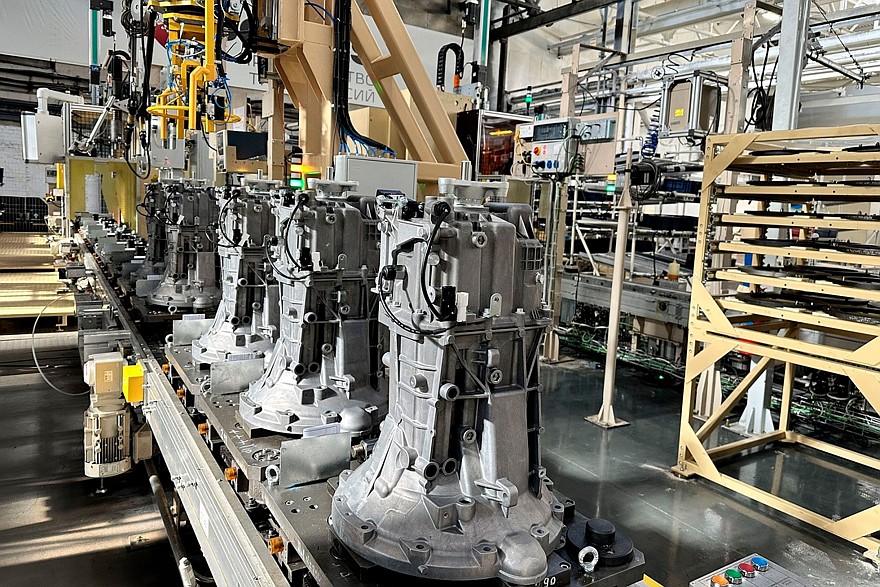
This subsidiary of China Changan Automobile Group, formerly known as State Factory No. 120, was founded in 1948. Today it produces engines and transmissions (manual and automatic), which include the aforementioned A8R50.
There is a version that this is a reimagined variation on the theme of the well-known “Hyundai” A8TR1 gearbox, which was created in collaboration with the same ZF (where would transmissions be without the Germans) based on the 8HP. It equipped such large and powerful Korean vehicles as the Hyundai Equus, Kia Mohave, the Genesis model range, and other cars.
About the A8R50, it is known that it is a classic hydromechanical unit with a torque converter. The maximum torque it can handle (as can be understood from the index) is 500 Nm, the overall nominal gear ratio range is 7.81, weight is 76 kg, dimensions are 648×394×382 mm. The gearbox supports advanced electronic functions and can be used in autonomous vehicles, hybrids, and vehicles equipped with start-stop and “smart parking.”
But, of course, this is a more expensive and complex automatic transmission than the “six-speed.” Although more progressive, and therefore more promising. These are the arguments that Sollers management is currently analyzing in all variations. Only one should remain, and who it will be is not yet determined. But it is assumed that already in 2028, vehicles of the brand (SF1, SF5, and SF7) will be equipped with a localized automatic. Its production will be set up either in Zavolzhye at ZMZ or at the Yelabuga Engine Plant – both sites are equally well prepared for such localization and have sufficient competencies to carry it out.
The process will proceed in stages, just as it happened with the 6-speed manual. First – screwdriver assembly, then local production of large housing parts, then transition to the functional internals, again – from large to smaller. Now, for example, for the same manual, the list of domestic parts includes a wide range of components down to the smallest gears. The same will be with the automatic, since it is objectively needed by the developing model range.
Full-Throttle Localization
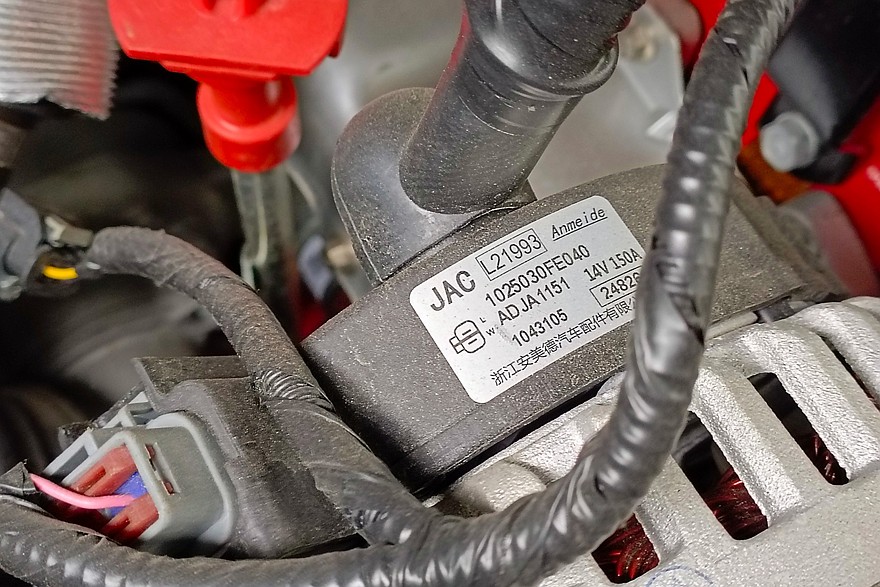
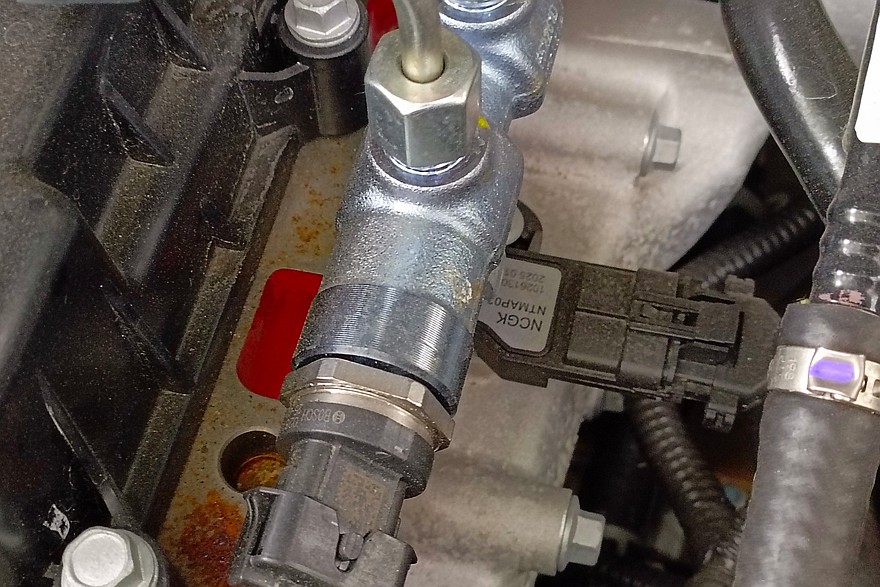
From further localization plans, it is worth highlighting the assemblies and components (some produced in-house, some provided by third-party suppliers) intended for the Sollers SF5. For 2026, the plan is to obtain Russian immobilizers and body electronics control units, bumpers, moldings and mirrors, springs, leaf springs and brake system tubes, fuel tanks and engine and gearbox mounts, crankshafts, camshafts, pistons and pins, seat belts, steering wheel, airbags, and electronic control units. In 2027, multimedia systems, instrument cluster control units and climate control devices, wiper systems, fuel lines, radiators, and fuel pump tubes should be localized. By 2030, localized filters, rings, valves and seats, connecting rods and engine seals, exhaust systems, fuel pumps and turbochargers, subframes, driveshafts and hub bearings, ABS and ESP control units, gearbox ECUs, wiring harnesses, instrument panels, door panels, and pillars will appear.
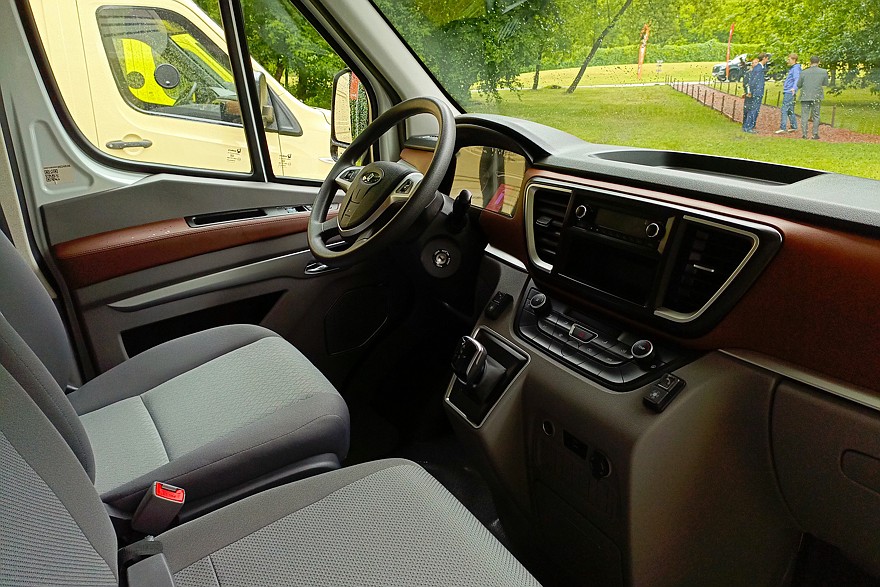
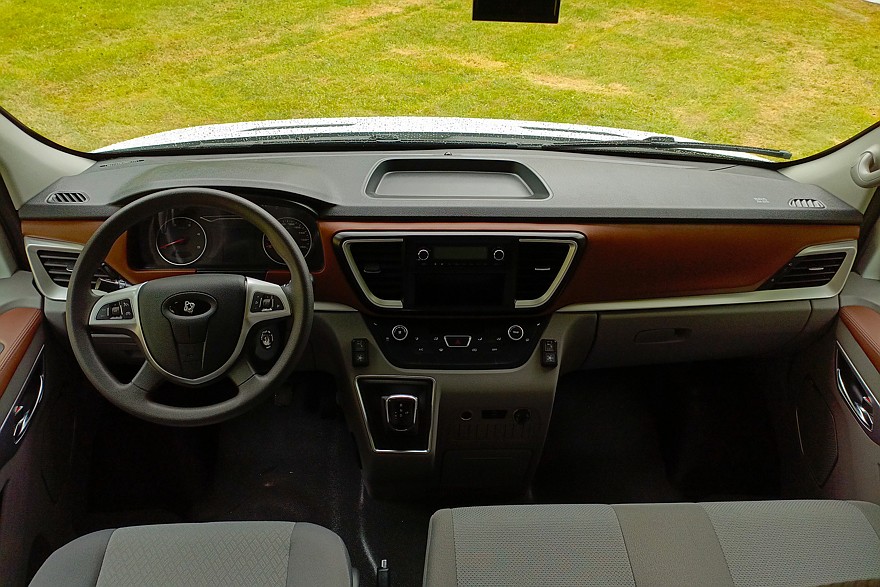
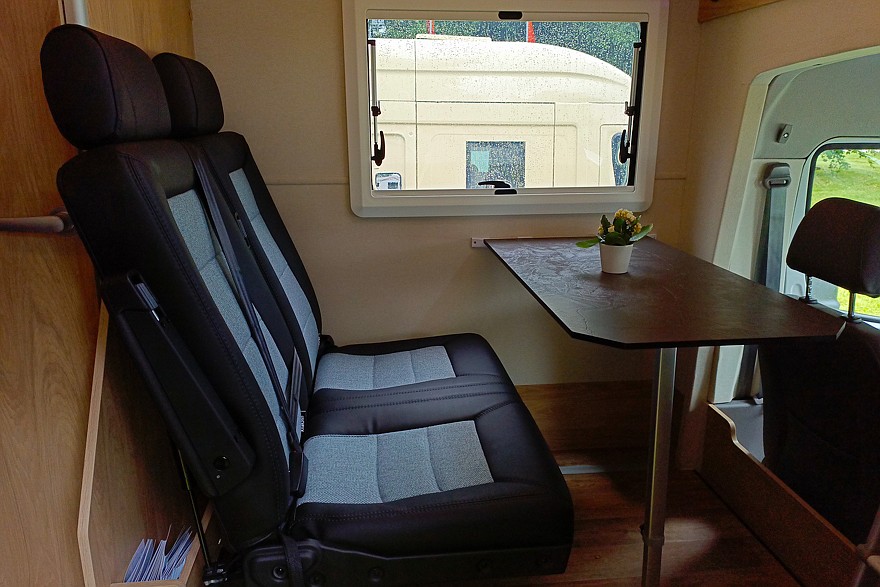
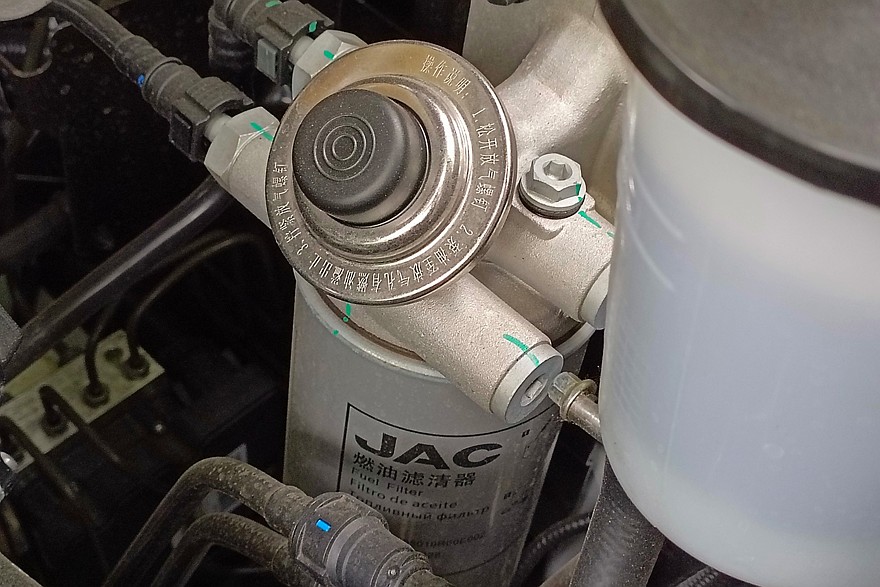
But all-wheel drive is still a question for now. It is not yet planned for the model. Technologically, this is quite complex; the “cart” would need radical modernization. Moreover, the prospects for such a modification are not very clear: all-wheel drive here is a very specific and far from the most demanded option. Perhaps in the future, when the lineup is supplemented with hybrid versions (there are no clear plans in this regard yet, but the logic of technological development and the vector of the Asian partner suggest they will appear), all-wheel drive as one of the options for distributing torque from the powertrain in one form or another will receive an objective right to exist. But we have gotten far ahead of ourselves.
For now, all-wheel drive is the prerogative of the UAZ Profi, which, by the way, is expecting an update in September-October using Sollers components used for pickups.
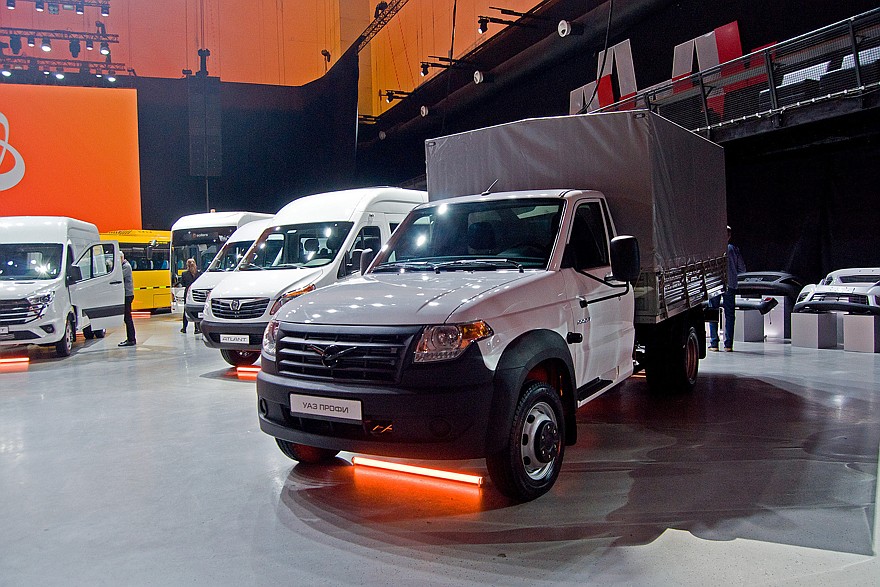
But Argo will remain as it is. The vehicle sells well and enjoys stable demand in the professional community. From the standpoint of what is on the market in its price category, it, in Sollers’ opinion, does not require updating. Although it is worth admitting that since the appearance of the “tadpole,” the segment has noticeably expanded. Including due to more modern vehicles. And Argo, as in that song: “As you were, so you remain.”
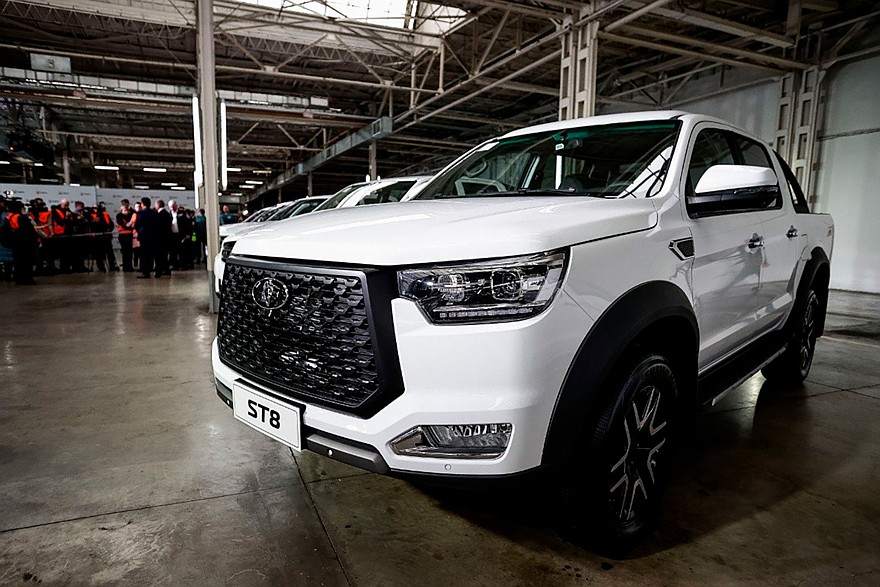
Among other interesting updates – the launch in a couple of months of the Sollers ST8 pickup with an automatic. The vehicle will receive the powertrain base of its older brother ST9 and will cost from 3.17 million rubles. This will be the most accessible entry point into the segment of so-called “premium pickups” with an automatic transmission.
That, perhaps, is all that makes sense to tell about the expected new products, in anticipation of which Sollers is passing the equator of 2026. Now the main task is to implement what was planned as intended and receive adequate feedback from the market, which will have to live with these new products for many years.