
















































BMW to cut 8,000 ‘non-value-adding’ employees in Germany
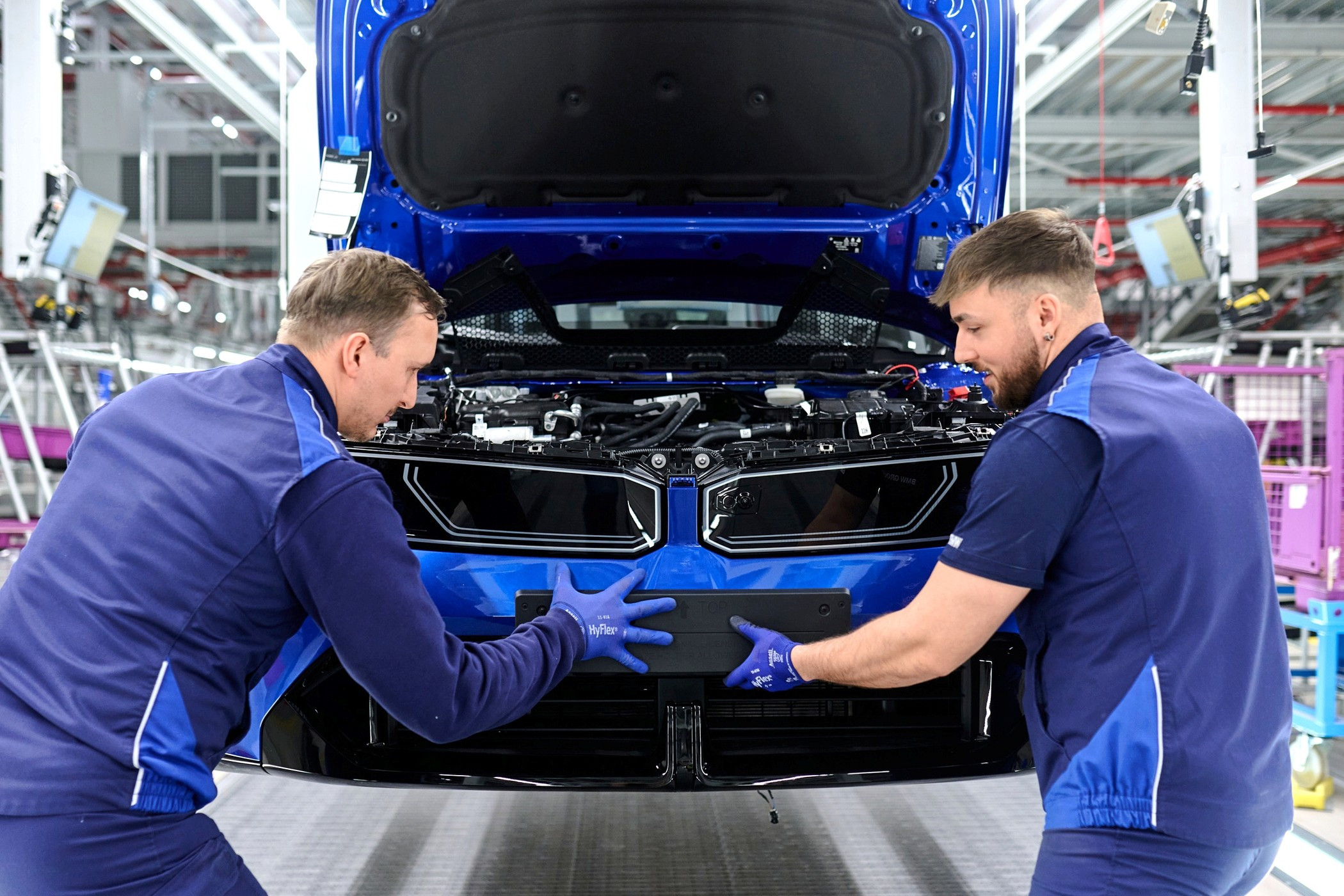
The BMW Group is forced to respond to objective difficulties in order to avoid sliding into a full-blown crisis: the company has agreed with its works council on a voluntary severance program for approximately 8,000 employees in Germany. This program will be implemented by the end of 2027 and will mainly affect the non-production sector, meaning office workers and support staff will be the ones facing cuts.
Last month, the BMW Group announced that it had downgraded its profit forecast for 2026 due to the military conflict in the Middle East and a sharp decline in sales in China. At the same time, BMW Group’s new CEO Milan Nedeljković, who took office in May, announced that the company would have to significantly reduce costs, and today it became clear where these cuts will begin.
According to the Süddeutsche Zeitung newspaper, citing its sources within the BMW Group, a voluntary severance program for approximately 8,000 employees working in Germany was approved today at the company’s headquarters in Munich. In total, BMW employs around 150,000 people worldwide, of whom 84,000 are in Germany. Generous severance packages will be offered to forty thousand employees in Germany, among whom the sought-after 8,000 will surely be found — for example, those who are close to retirement or who simply would like to take a break and change their line of work.
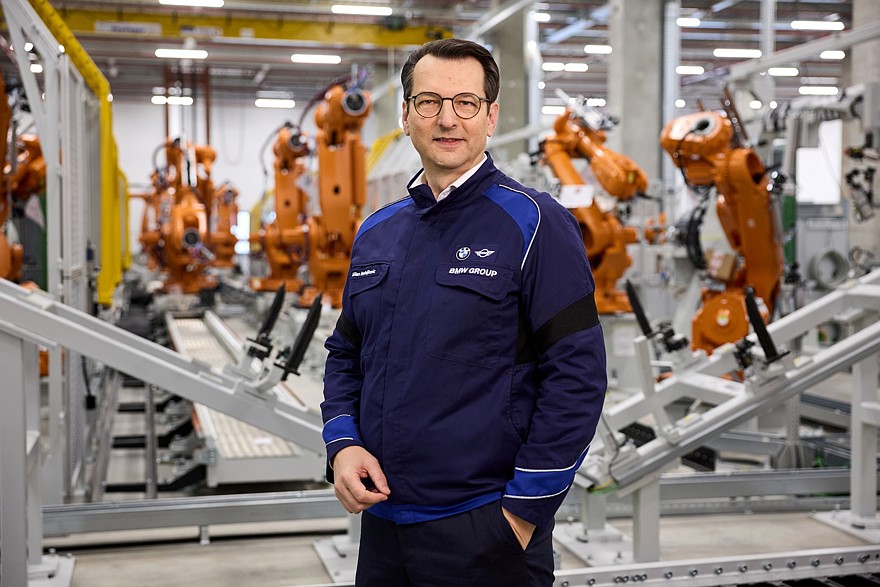
As an experienced production specialist, Nedeljković will barely touch factory workers — the severance program is mainly aimed at office employees and departments that “do not create value.” In short, the bureaucratic apparatus will be trimmed, which is probably the right move — Nedeljković knows best.
The cuts at the BMW Group are yet another blow to German industry, which has proven uncompetitive in today’s world with its instability and the need to respond quickly to new challenges. High taxes, high social costs, expensive energy, and the inability of government officials to make decisions quickly are forcing companies to literally flee Germany. Where to? To Spain, for example, where wages are lower, energy is cheaper, and authorities work with businesses more quickly and flexibly.
The Volkswagen Group is currently in a severe crisis and has not yet been able to agree with its supervisory board on a new anti-crisis program that involves laying off around 100,000 employees and closing several plants in Germany. Porsche, which is part of the Volkswagen Group, has nevertheless managed to agree on a new wave of cuts, which will affect 5,000 employees.
Returning to the BMW Group, let’s look at the company’s sales in the first half of 2026. The BMW Group Automotive division, which includes the BMW, Mini, and Rolls-Royce brands, sold 1,156,742 vehicles, which is 4.2% less than in January-June 2025. Specifically for the BMW brand, sales fell by 6.2% to 1,004,681 vehicles. Combined sales of BMW and Mini brands in China dropped by 20.4% to 261,773 vehicles. Total sales of BMW Group electric vehicles declined by 7.4% to 204,295 units, but the company insists that the new BMW iX3 and BMW i3 have been very warmly received by the market, so growth in electric vehicle sales can be expected in the second half of the year.