












































5 reasons to buy and not to buy Toyota Corolla XI
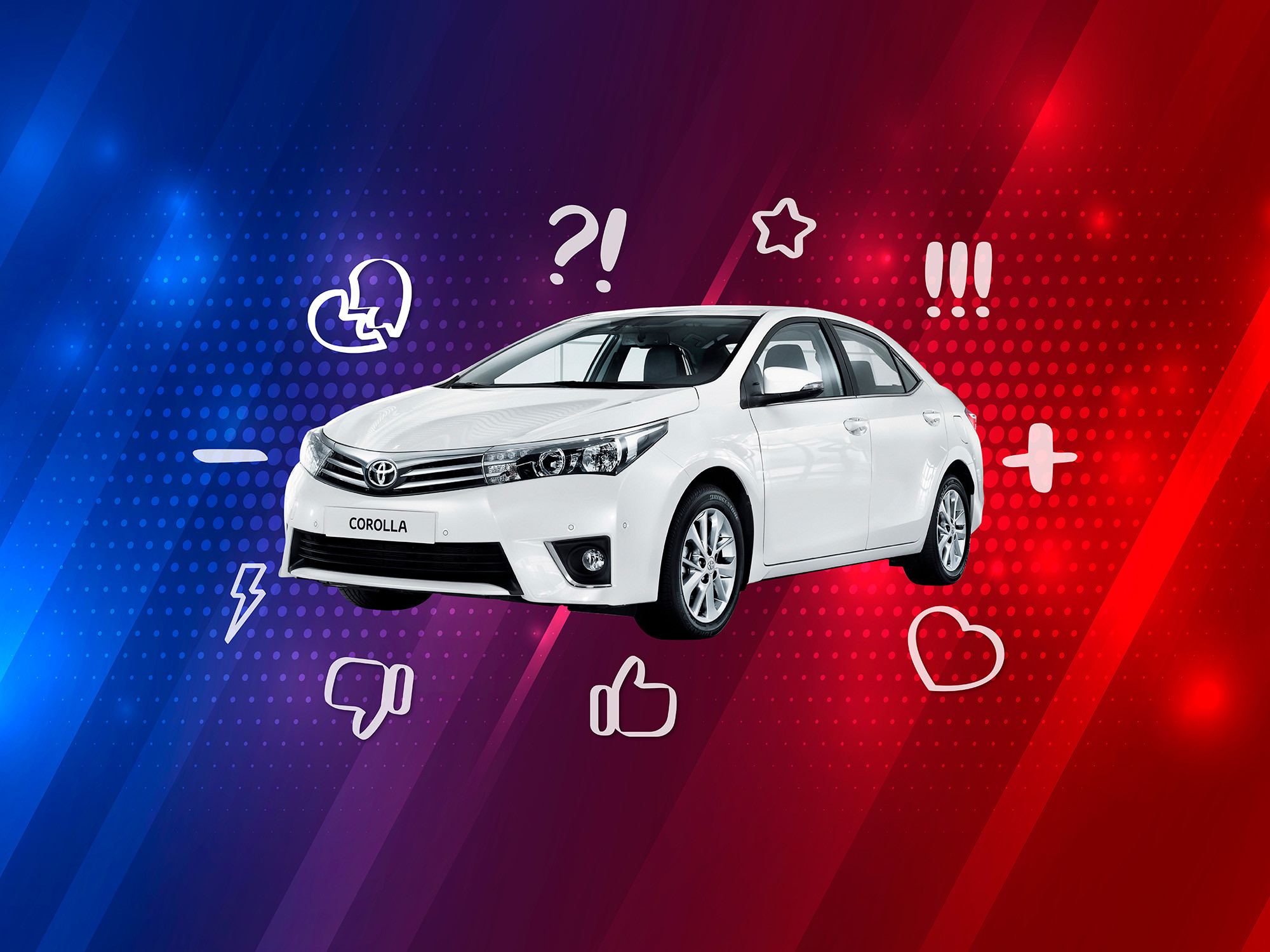
As is well known, in Russia, Toyota is more than just a brand. It’s almost a religion: “Toyotas don’t break!” And if that’s the case, then when choosing a used car, it’s worth paying attention to this brand. For example, the Toyota Corolla.
The Corolla is Toyota’s global bestseller. The model, first introduced in 1966, had sold over 40 million units by 2013. During this time, it became iconic both in Europe and overseas, and in 1997 it was the best-selling car in the world.
Twelve generations of the model have come and gone. Official sales of the Corolla in Russia started in 2002 with the ninth generation (E120). The best sales year for the Corolla in Russia was 2008, when over 60,000 of these cars hit the country’s roads. Sales then dropped to around 30,000 cars per year, falling to 5,000 in 2015, where they remained until the brand left the Russian market. What can you do – the imported Corolla turned out to be less attractive than the Toyota Camry, whose production was localized at the company’s plant in Shushary.
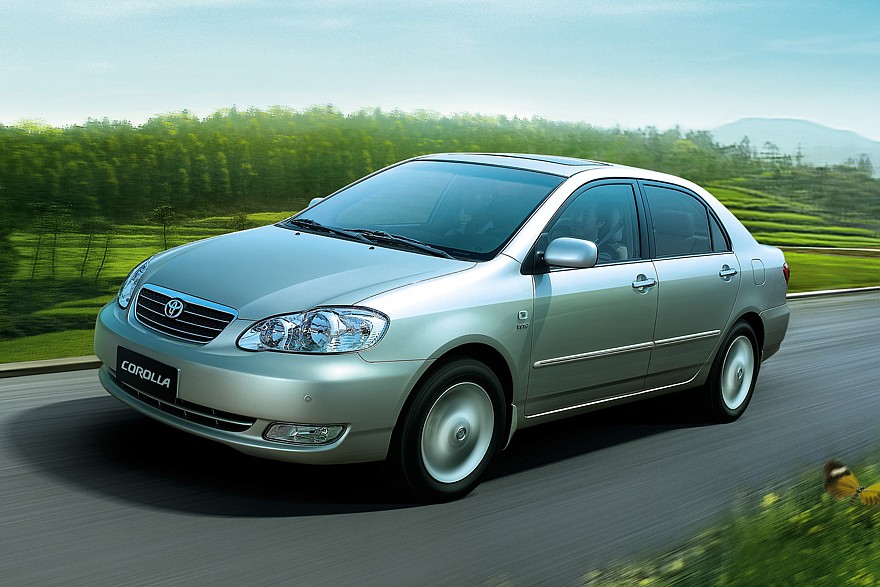
Meanwhile, the ninth generation Corolla was succeeded by the tenth, and then the eleventh. The latest generation, with the factory code E210, built on the modular TNGA-C platform, was introduced in 2018. These cars are quite rare in Russia, and there are also few of them on the secondary market. We are interested in the eleventh-generation cars with factory codes E160, E170, and E180. The European versions E170/E180, assembled in Turkey, were supplied to our market, differing from the right-hand drive E160 for the Japanese market. However, original “Japanese” models (Corolla Axio sedans and Corolla Fielder station wagons) purchased at Japanese auctions are quite common on the Russian secondary market. Only among these cars can you find all-wheel-drive variants, versions with a hybrid powertrain, and those with a 1.5-liter 1NZ-FE engine under the hood.
Cars with sedan and station wagon bodies and three variants of four-cylinder naturally aspirated engines were supplied to Russia. Entry-level trims were equipped with a 1.3-liter 1NR-FE engine producing 99 hp, paired with a 6-speed manual transmission. The mid-range and most popular engine, the 1.6-liter 1ZR-FE with 122 hp, could be paired with either an Aisin CVT or the same manual gearbox, while the top-of-the-line 1.8-liter 2ZR-FAE (140 hp) came exclusively with a CVT. The suspension is classic for the C-segment: MacPherson struts at the front, a semi-independent torsion beam at the rear.
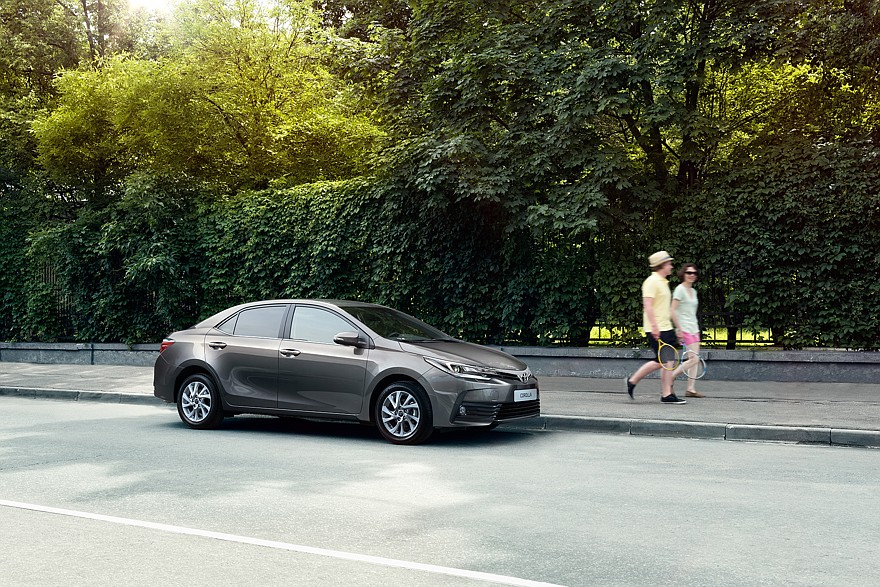
In 2015-2016, the model underwent a facelift, which affected the front end design, lighting, and to a lesser extent, the interior design. Additionally, the model received a media system with navigation.
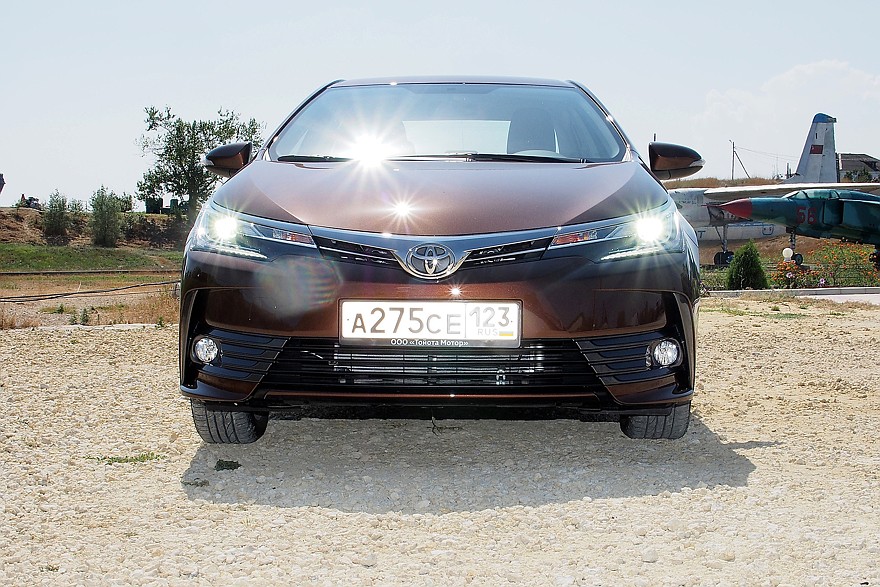
The Corolla has always been quite expensive: as early as 2013, prices ranged from 659,000 to 1,026,000 rubles, which was a lot at the time. For comparison, a Skoda Octavia could be purchased from 590,000 rubles back then. So, on the secondary market, where eleventh-generation Corollas are now available in considerable numbers, sellers are asking very substantial prices. For pre-facelift sedans with a manual transmission, they ask from 700,000 to 1.7 million rubles; with a CVT, from 750,000 to 1.9 million; and for station wagons, from 890,000 to 1.5 million. Naturally, newer post-facelift variants are more expensive. Sedans with a manual transmission cost from 1.23 to 1.76 million rubles; with a CVT, from one to 2.25 million; station wagons, from one million to 2.3 million. Nevertheless, “Toyota is Toyota,” and the Corolla still boasts high liquidity. But is it worth considering buying a used bestseller that’s around ten years old? If you’re seriously thinking about it, we suggest you familiarize yourself with what real owners write about this car in their online reviews.
None of the owners express unbridled delight regarding the appearance of the 11th Corolla. Some consider the car “nice-looking” and list the design among its advantages, although they note a lack of originality (“I liked the exterior design of the car, the front looks great,” “The appearance is stylish, modern”). But there are plenty – quite a lot, in fact – who give a big fat minus in the “Design” category. “Toyota’s new design is ‘something else,’ the cars look like they were made with a ruler and chopped with an axe”; “I never liked Toyota’s bland design”; “Toyota’s reliability has always been top-notch, but the design… Sorry, but it’s hideous”; “There’s a black one parked in the yard, always opposite the entrance – and every morning I feel nauseous when I see it. Toyota and Lexus, unfortunately, have completely lost the plot design-wise,” owners write in their reviews. And I had to skip some reviews, so to speak, for censorship reasons.
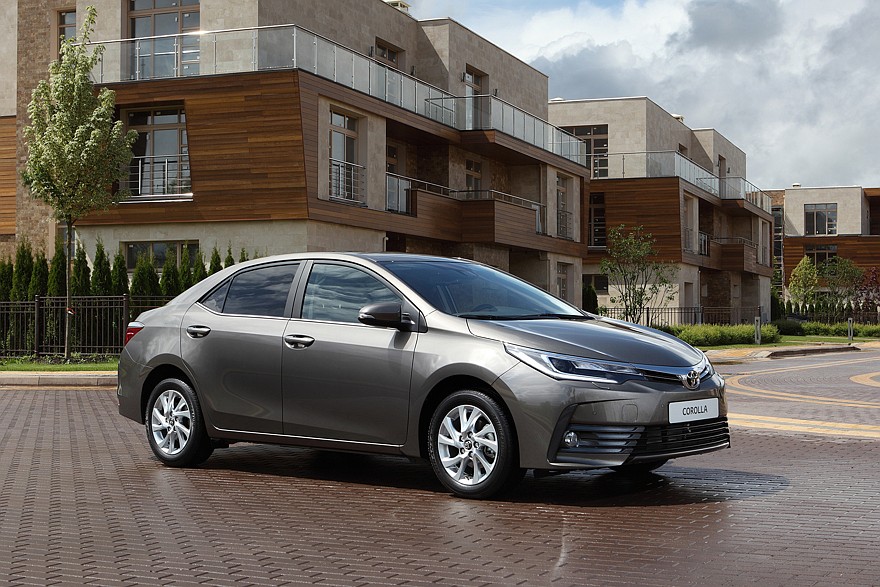
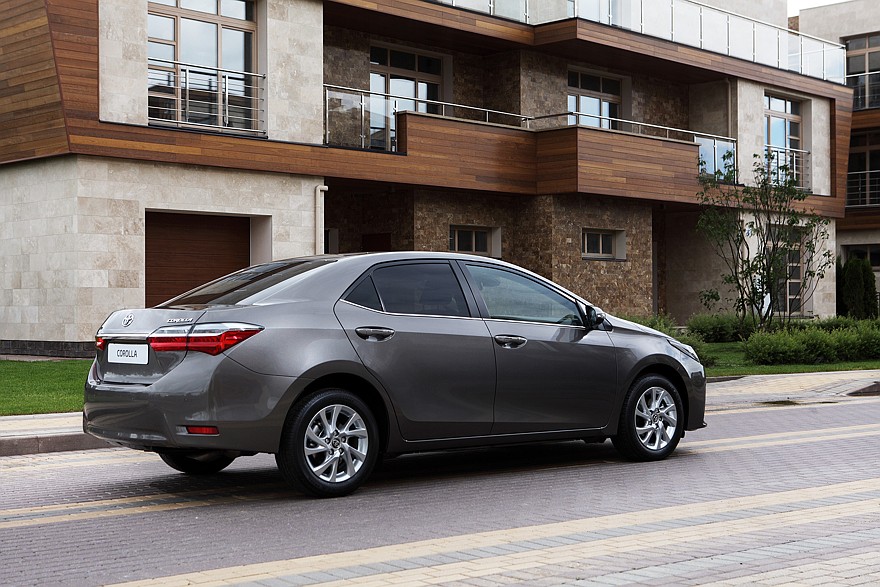
It’s clear that assessing appearance is subjective, so it’s better to rely on your own impressions and feelings in this matter. For example, some might like that the front end of the Corolla is styled in the same vein as the very popular Camry here.
Among the more than a hundred reviews I looked at for the eleventh-generation Toyota Corolla, I didn’t come across a single one where the author complained about excessive fuel consumption. There are no usual arguments in the discussions either – only complete consensus: “Low fuel consumption, and it uses AI-92 gasoline, according to the manual from 91. Tried AI-95, no difference in either dynamics or consumption”; “Fuel-efficient”; “Low city fuel consumption, consumes negligible fuel at idle.” And this assessment holds true for both the European versions assembled in Turkey and the right-hand drive cars from Japanese auctions. Of course, owners of cars with hybrid powertrains are the happiest: “Fuel consumption is about 6 liters, which was very pleasing after my previous Subaru Impreza with 12-13 liters consumption,” “Consumption of 95-octane gasoline is 4.5-6 liters in the city, a tank lasts 700 km.” But owners of cars with the most common 1.6-liter 1ZR-FE engine (122 hp) are also quite satisfied: “City consumption in traffic jams is 9 liters. On the highway, about 6-7. If you push it, consumption can reach 10 liters”; “In winter with warming up, average consumption is 9-10 liters, in summer about 6-7 (in the city without traffic jams)”; “Minimum consumption was 5.3 – I checked! And out of 100 km, 12-15 km were city driving. But that’s if you don’t floor it. Maximum consumption is 8.5, couldn’t get it higher no matter what.” In short, specific figures may vary depending on conditions and driving style, but the general range is clear – 6-7 L/100 km on the highway, 8.5-9 L/100 km in the city. Naturally, the “junior” engine in the lineup, the 1.3-liter 1NR-FE with 99 hp, consumes even less, especially since it was only paired with a manual gearbox: “Consumption around 7-8 liters in the city. On the highway, about 6.” What’s surprising is something else: versions with the flagship 1.8-liter 2ZR-FAE engine (140 hp), which in the versions supplied to us worked exclusively with a CVT, have practically the same consumption as the Corolla with the 1.6-liter engine: “Highway consumption – 6-7, city – 9-10,” “no more than 10 liters in the city and 7 L/100 km on the highway.” At the same time, despite the minimal difference in power, the car with the 1.8-liter engine feels significantly more dynamic: “I tested both engines and, without hesitation, chose the 1.8: despite the small difference in horsepower, it feels noticeably livelier.”
The interior also didn’t earn much praise. Nevertheless, many find it quite satisfactory: “The interior is calm but not cheap,” “The instrument panel is ascetic, and the screen is from the last century, but it reads perfectly in any conditions, the numbers are big, like for the blind. The digital clock is from the same series – not only is it not centrally located, but it also looks like it was taken out of a Soviet TV.” Occasional praise is also found: “The quality of materials is top-notch, creating a feeling of a premium car.” But critical comments are much more common: “I’m afraid to bring up the interior topic, it’s dreary and boring, the materials are complete junk”; “The interior is overly simple, although everything you need is in place”; “The instruments and their controls are boring, of course, but nothing superfluous, everything is at hand, everything is convenient.”
Many critical arrows are aimed at the materials used: “Disgusting trim materials: the top part of the dashboard is, of course, beautiful, soft plastic of good quality, but everything below is production waste, and the doors are just a nightmare. I’ve never seen such a easily soiled interior. The black material attracts everything, I ran a clean hand over the door – and there’s already a light streak on the fabric and plastic that doesn’t just wipe off. The seats are comfortable, but there’s no seat cushion angle adjustment. The seat upholstery fabric is also terribly easily soiled”; “The quality of materials is not the highest. But I wasn’t expecting nappa leather and wood inserts in a car of this price segment”; “There’s no glove box light. The upholstery is durable, but any dust and dirt are very noticeable. The armrest is similar, but it’s soft and doesn’t slip. Glossy plastic on the stereo and around the gear lever. Dust, smudges, and fingerprints are very noticeable.”
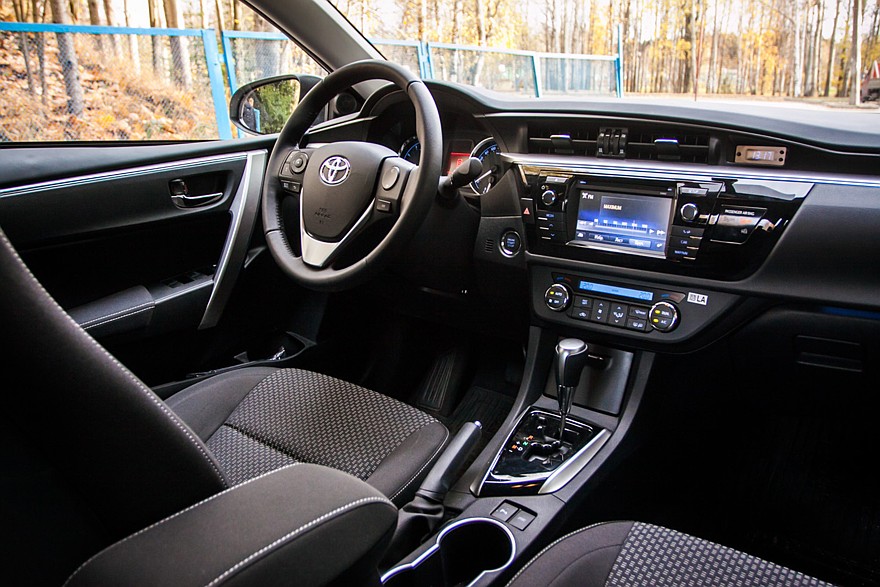
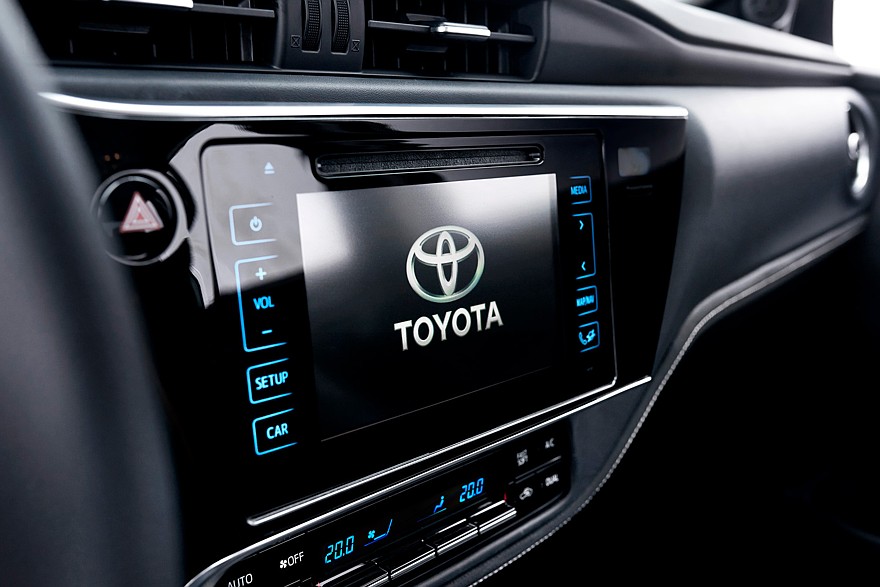
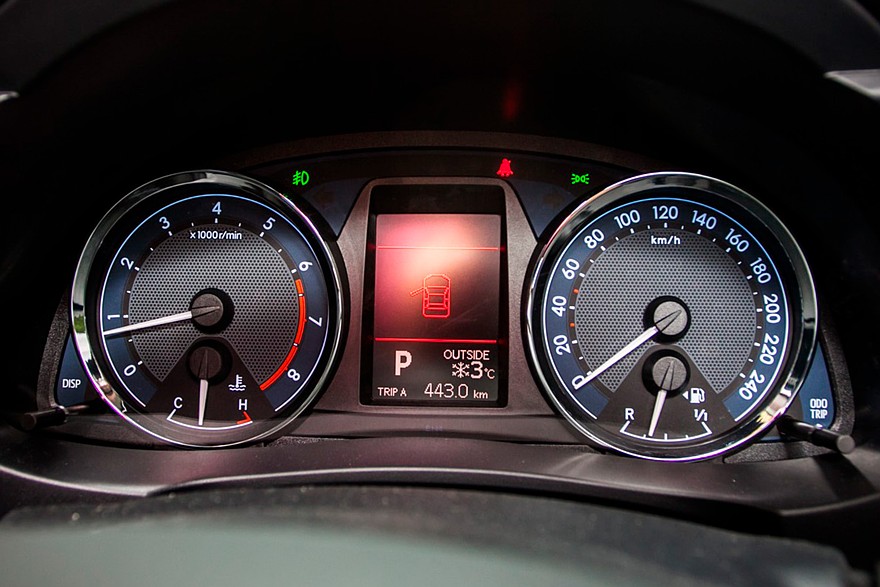
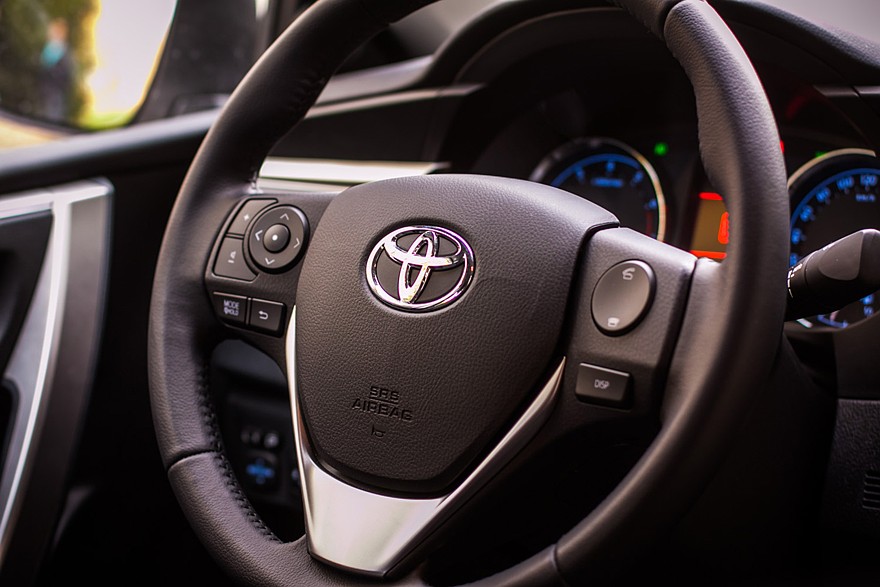
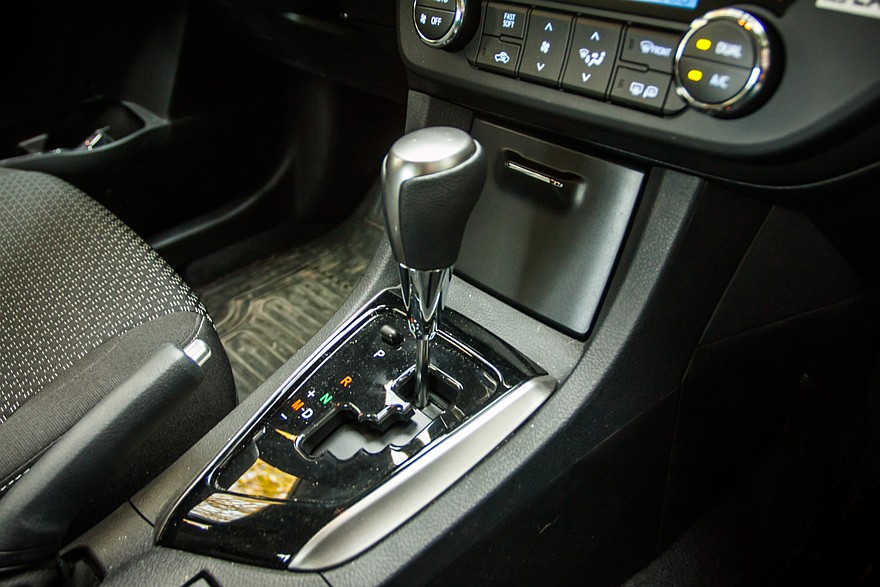
Many mention the rapid wear of the leather on the steering wheel. In short, the interior shows signs of severe cost-cutting: “The optitron instrument lighting has disappeared; in the manual transmission trim, the beautiful dials are not available at all, only in the top trim. The glossy black plastic insert on the center panel, a la piano lacquer, instantly attracts dust. The clock from the 90s with three tiny rubber buttons is a killer. The sunglasses holder was never great, but now it’s even smaller, you can only store contact lenses in it – it’s surprising, of course, the Japanese desire to save on little things,” “Overall, the car gives the impression of maximum cost-saving. I’ve never seen such a headliner in any car; some on forums even claim it’s made of paper. I don’t know if it’s paper or not, but it’s still cheap stuff; it starts pilling immediately upon any cleaning, and scuffs appear. The front panel has a huge number of plastic elements – couldn’t they have put anti-squeak material in? On a bumpy winter road, we listen to an unplanned concert.”
Yes, squeaks and unpleasant acoustic insects, which drivers call “crickets,” are mentioned by many owners in their reviews: “Numerous visits to the dealer regarding ‘crickets’ and squeaks in the car’s interior”; “The ‘cricket’ that appeared a year after purchase is invincible and elusive”; “Squeak… a squeak appeared literally after six months, and it wasn’t fixed under warranty. It squeaks around the stereo.” Sources of squeaks can be not only internal plastic panels but also door check straps.
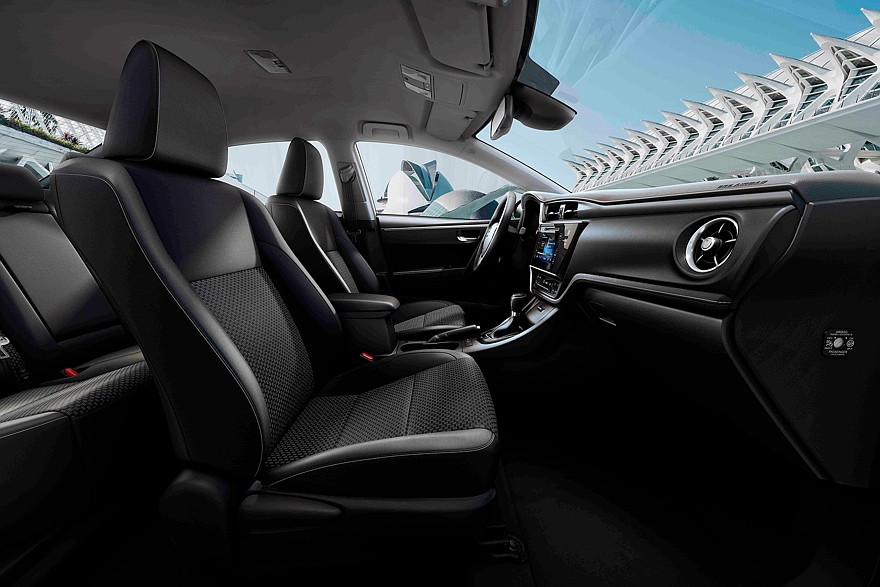
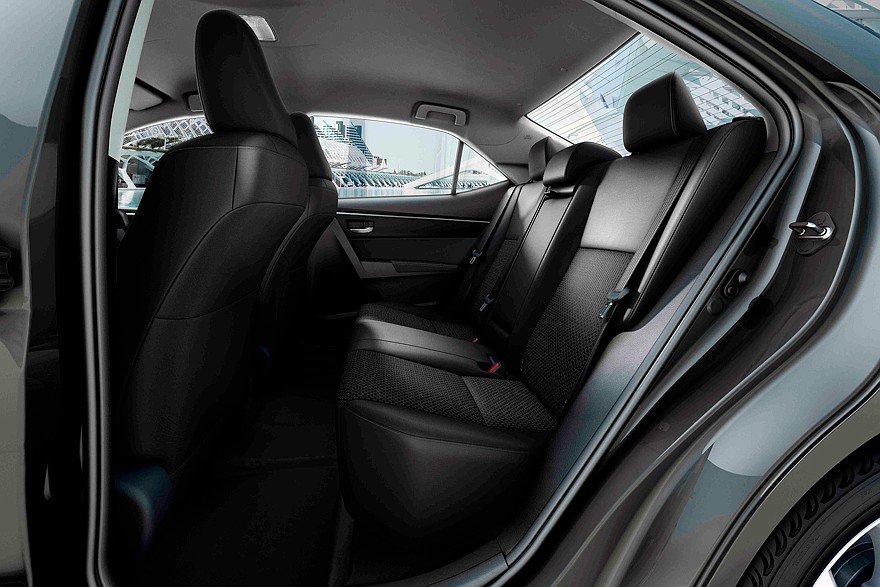
For many owners, the shortcomings in interior design and material quality are fully compensated by the interior space. Some believe that in this parameter, the Toyota Corolla can easily compete with the much more popular and larger Camry, which belongs to the D-segment: “Spacious interior. Acquaintances were surprised it was a Corolla, thought it was a Camry; a person 1.9 m tall sat in front, a 1.85 m person sat behind him, and there was still plenty of knee room”; “The interior is very spacious; I sit comfortably behind myself, and my knees don’t touch the seatback. Three people can sit comfortably”; “A huge plus is the enormous interior, like a D-class. There’s more space in the back than in a Mazda 6 or Opel Insignia.”
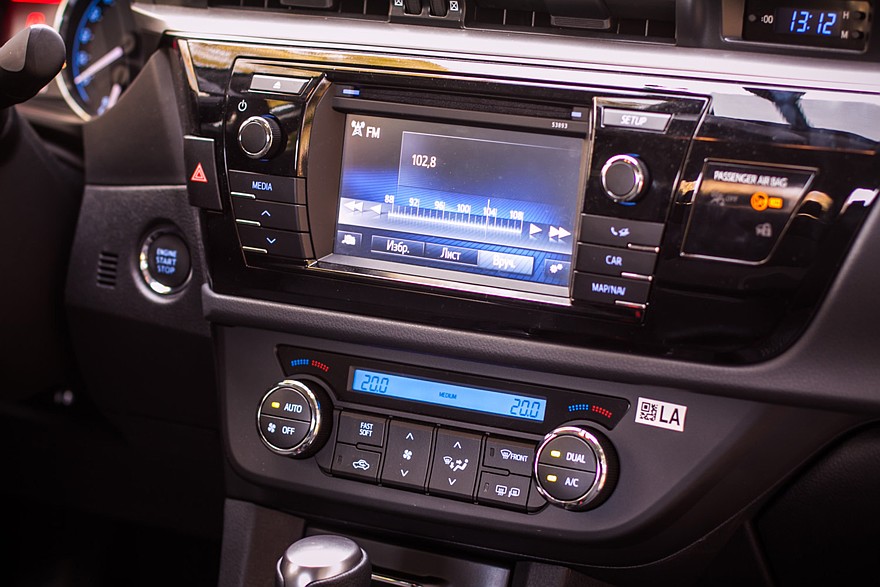
The optional equipment also looks very decent, especially in top trims: “It has a rearview camera, Bluetooth, climate control, leather steering wheel”; “The full ‘Prestige+’ trim is just convenience; the manufacturers thought of everything to make this car the best in both price and comfort”; “I can easily compare the fully loaded Toyota Corolla to the Toyota Camry, only the Corolla is cheaper.” But even here, review authors note a certain tendency to save money and express their bewilderment: why even in not-cheap trims, only the front doors have power windows, and even for top trims, a whole range of media system blocks, for example, the navigation one, had to be purchased separately.
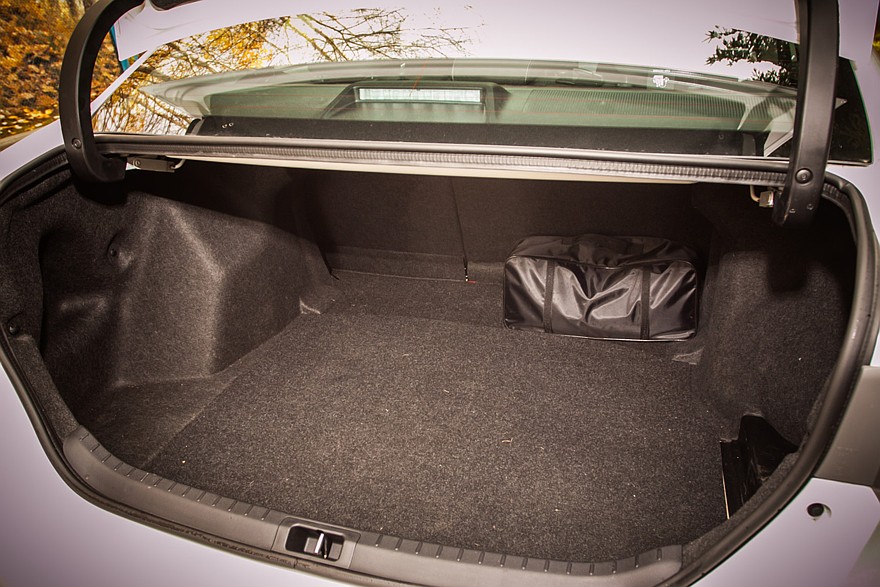
As for the trunk, owners’ opinions vary. Some consider its volume more than sufficient: “A good trunk for a sedan; a stroller and a lot more will fit.” But others are sure the trunk in the Corolla is just so-so: “The trunk is modest – four summer tires didn’t fit.” Again, some note the lack of designated places in the trunk for a first-aid kit and other small essentials needed on the road. Naturally, this all applies only to sedan models. The station wagon is much more spacious: “The cargo area is huge, the floor is flat, the rear seats fold down, and there’s even more space. You can sleep,” “There’s more room in the Fielder for rear passengers – the seat cushions don’t move, but the backrest angle is adjustable. Sitting both front and rear is more comfortable and convenient.”
Most online reviewers agree that if you’re looking for a car for driving excitement, emotions, and thrills, the Corolla is not for you. Even those who are generally quite satisfied with the car admit this: “If your goal for a car is to get you from point A to point B, and it does so without adventures or incidents, then it’s a good car, and you’ll start to love it”; “The Corolla is a car for a consumer who chooses with their head, not their emotions”; “A car for even-tempered enthusiasts of the Japanese auto industry.” If any taillights of the car in front of you don’t send you into a silent rage and don’t make you want to immediately and uncompromisingly overtake the scoundrel, then the Corolla with any engine is quite suitable for daily use both in the city and on highways. Still, many feel a lack of dynamics: “The 1.3-liter engine is, of course, a bit weak for this car”; “The 1.6 engine is a bit weak; I wish it were more powerful.”
There are, of course, those who express themselves quite harshly: “A dreary old man’s car,” “The Corolla is only good for pensioners and those who switched to it from Ladas. And the fairy tales about the 1.6 engine tearing from a standstill – tell that to some woman in sneakers.” But let’s forgive the authors of these statements their maximalism, especially since CVTs really can’t “tear from a standstill” and don’t like sharp accelerations. As one owner, completely satisfied with his Corolla, wrote in his review, “The car is probably really not for young people who expect driving thrills or flashy chic and gloss. I defined my main priorities – reliability, comfort (without frills), safety, and… reliability again!”
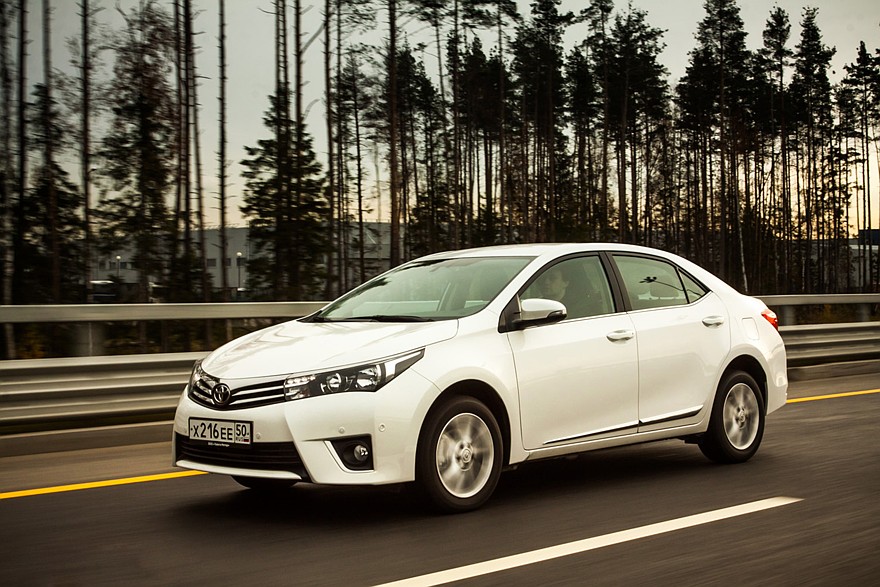
At the same time, all the quotes given do not mean that the reviewers consider the eleventh Corolla a slow Tortilla on the highway and a complete “vegetable” in the city. No, the car can drive quite fast, and in city traffic, the person behind the wheel doesn’t feel like an outsider at the party of life: “Dynamic enough for city driving, and also handles confidently on the highway. Parking in tight spots is also convenient thanks to good maneuverability.” It’s just that everything in this car – the powertrain and the suspension – is designed for relaxed driving.
The lack of dynamics felt by many reviewers of the Toyota Corolla XI is almost completely compensated by ride comfort. Some mention it in passing, while others are frankly admiring. “The suspension is Toyota-soft, pleasing. Holds the road very confidently, doesn’t wobble on the highway, the CVT is smooth”; “At 170 km/h, it holds the road perfectly. The suspension is moderately soft, unlike the ‘Koreans.’ The ride quality is decent. The engine isn’t sharp, but it’s elastic and has good low-end torque”; “The suspension is very comfortable – it swallows potholes, bumps, and craters without noticing. There are slight body rolls, but the car isn’t a race car, so I don’t consider it a minus. The engine is sufficient for any maneuver. Full torque appears at 4000 rpm. It runs quietly and warms up quickly.”
Of course, the softness of the suspension has its consequences: “You need to brake to 30 km/h over speed bumps,” “The suspension has become softer, but it bottoms out sooner.” Nevertheless, owners give a more than positive overall assessment of ride comfort: “A very easy car to drive and use, especially in a big metropolis. At the same time, I had to travel long distances (to St. Petersburg, then to Karelia and back). I didn’t get tired on the road, everything was convenient,” “I traveled with my family to the south, 2100 km one way. It’s comfortable to drive, the suspension swallows all bumps, so you can take this city car on long distances.” And the main thing is that a certain balance is maintained in the suspension tuning: “The suspension is soft, yet handling doesn’t suffer,” “The chassis is an excellent balance between handling and comfort. The steering is precise.”
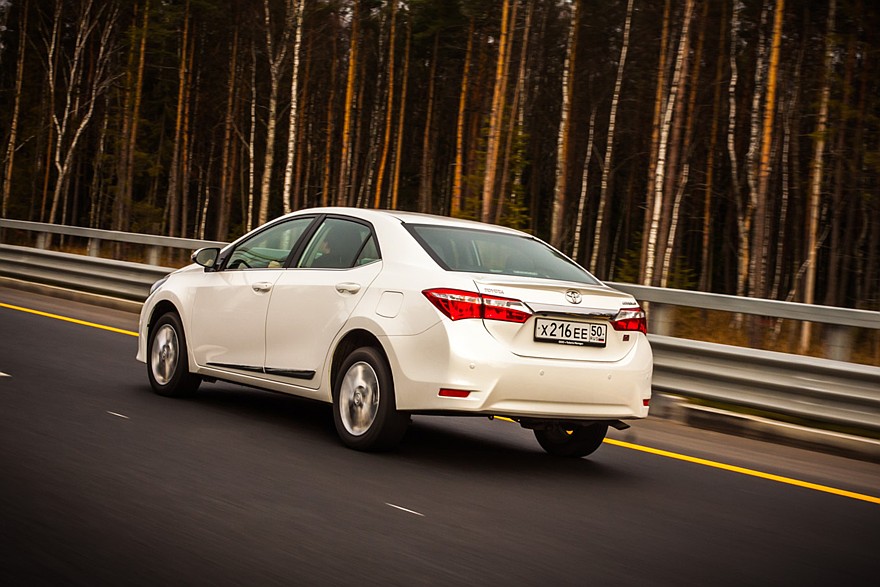
In terms of handling, reviewers praise not the car’s talent for aggressive cornering, but its directional stability: “Driving 120 km/h on the Moscow Ring Road – the car goes like it’s on rails. The electric power steering is excellent. No need to make constant corrections, hold the wheel with both hands, no feeling of fear or constant tension – a complete sense of safety and control over the car,” “High directional stability for this class on mountain serpentines.”
Owners also praise the other components that ensure comfort on trips – comfortable seats, a steering wheel adjustable for reach and rake.
Assessments of the CVT are somewhat less clear-cut. Some liked its operation paired with the naturally aspirated engines: “The new generation engine with dual VVT-i is very elastic and torquey. The CVT is beyond praise; the 1.6 engine is more than enough for me, and it’s economical.” But there are also those who are annoyed and even frightened by the CVT’s inability to accelerate quickly from a standstill: “I pulled out onto a main road from a secondary one in front of a bus, convinced I would make it. But it didn’t shift beyond second gear, and the bus, rapidly gaining on me, only miraculously swerved around me.”
Many authors note that the almost religious attitude towards the brand has led to many Toyota models being frankly overpriced in our country. In their opinion, the Corolla is among such models: “Not the quality, not the price, not the driving characteristics. It’s not worth that much”; “A good car, but not worth its price”; “The price of the car is inflated – the Toyota Corolla is simply not worth that much.” Of course, not everyone thinks so; there are those who write that the car is “in an acceptable price range” and “the best option in terms of price/quality ratio.” But for every review where the price is listed as an advantage, there are at least three or four reviews where the authors list the price as a major drawback.
In this case, we are talking about official prices at Toyota dealerships, and these reviews were written when the brand had not yet left the Russian market. But if you look at today’s secondary market, the situation is exactly the same: a used Corolla costs noticeably more than classmates of other brands of comparable age and in comparable trims. And the comparison with them is not always in Toyota’s favor: “I have no complaints about the car, it’s just that the same Civic, C4, Focus, Octavia have a higher quality interior. The Civic, C4, and Octavia have better sound insulation. In terms of top speed capabilities, the characteristics are very close, but the Octavia with the 122-hp engine is more dynamic. The same C4, Cerato, Elantra can be equipped with 150 hp engines, and the Corolla has nothing to oppose to such cars, let alone the 180-hp Octavia.”
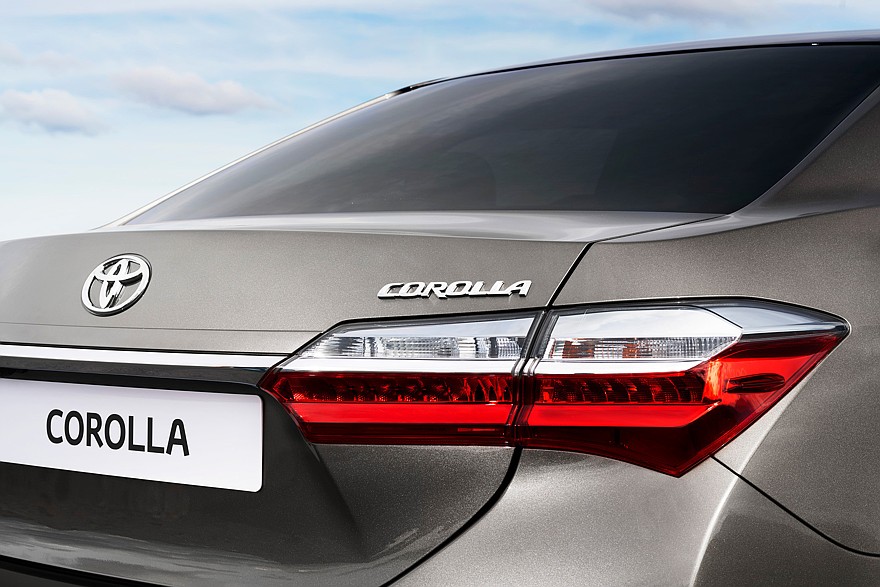
Many reviewers emphasize that the Toyota Corolla XI in any variant is perfectly suited for the role of a family car. And these “family values” encompass many of the model’s advantages. We’ve already discussed some of these advantages, and we’ll talk about others.
So, what is important for a family car? First of all – sufficient interior space. Here’s what owners write about this: “The trunk is spacious; I traveled with my family to the south twice, there was enough space for everyone and luggage with a stroller,” “The car is perfect for a family. Two children don’t bother each other in the back seat; two child seats fit perfectly.” The Corolla Fielder station wagon deserves a special mention: “The Toyota Corolla Fielder is a very practical car for a family. Suitable for transportation and even travel.” A sufficiently important circumstance is that when the rear seats are folded down, you get a flat load floor, meaning during a trip, parents can set up a tent for the night and put the children to sleep in the car. Or vice versa.
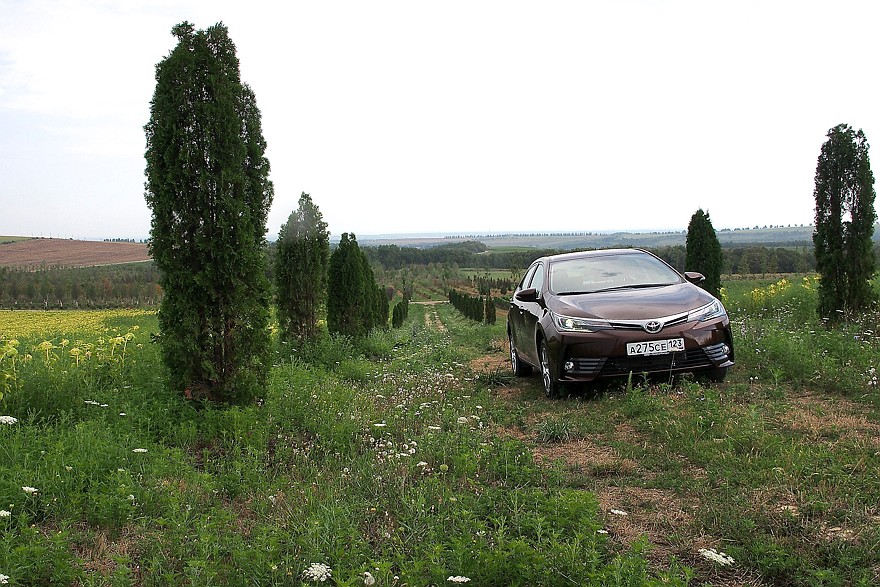
You just need to consider that the Corolla doesn’t have any special off-road talents, even within its segment. The not-so-large ground clearance and fragile bumpers require extra caution when leaving the asphalt. For some, this was a reason to switch to a crossover: “Due to the limited ability to get to a vacation spot (ground clearance and lack of all-wheel drive), I decided to sell it.”
Even the car’s interior equipment can influence the peaceful atmosphere in the family: “Dual-zone climate control in this class is a rarity, very convenient. I’m hot, and my wife is always cold; we set the climate according to need – I set 19 degrees, my wife sets 26, and everyone is happy.” Truly, “the most important thing is the weather at home.”
Finally, the Corolla fully lives up to its reputation as a car that doesn’t drain the owner’s money on constant, yet always unexpected, repairs: “If you need a versatile car that won’t eat up your family budget, buy it without thinking,” “A reliable, high-quality, and easy-to-operate car! Perfectly suited for a family, for outdoor recreation. It really suits both young couples and older people. For nature, for leisure, for the dacha, for grocery shopping, anywhere….. ‘Toyota – Drive Your Dream.’ It’s not said for nothing. It really helps make the dream come true.”
Where reviewers are quite unanimous is that the level of sound insulation in the Toyota Corolla XI cabin cannot be called sufficient. They just express this opinion with varying degrees of categoricalness. Some write: “Sound insulation is a bit weak. But that’s nitpicking,” or “Sound insulation is average. I did sound deadening on the wheel arches almost immediately. At high speeds, the noise level isn’t annoying.” Some even note “excellent sound insulation,” but there are literally only a few of them. The majority criticize it, and sometimes quite harshly.
“The wheel arches are completely empty. You definitely need to soundproof them. Despite general quietness in the cabin, the sound when hitting a puddle is very loud”; “The overall noise level in the cabin is amazing. When driving on the highway, it feels like flying in an airplane, mostly noise from the wheels”; “On the highway, you just want to get out of the car, there’s no sound insulation!”; “The main source of noise was the wheel arches. The roar from rough asphalt brazenly filled the entire cabin. And the pebbles flying from the wheels and hitting the inner fenders made such a noise, as if there was only that inner fender between me and the pebbles,” owners write in their reviews. And these are far from all their critical comments.
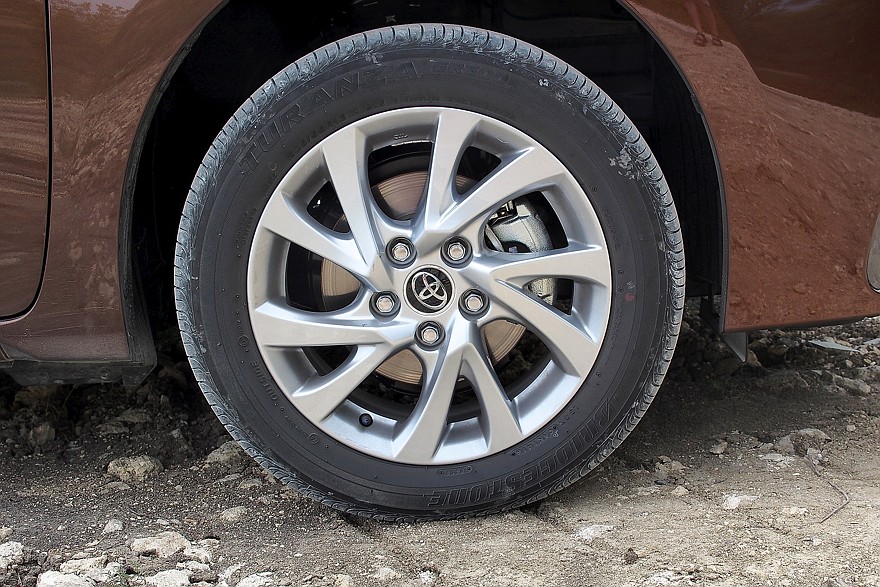
Besides the wheel arches, owners also list the engine as a source of noise: “The engine noise is like a drill, thanks to the CVT, as soon as you start overtaking, it’s 6000 rpm for the entire maneuver. Like a fly in your ear”; “There’s no sound insulation, literally. Under the hood, roof, and everywhere else – thin Japanese paper made from waste. How greedy these Japanese are!” They also criticize the CVT: “Noise in the cabin during acceleration up to 80 km/h from the CVT gearbox. It always makes noise, as a Toyota Center employee explained.” Aerodynamic noises are also noted: “A whistling sound appeared near the driver’s side mirror, and at speeds around 100 km/h it gets much stronger and annoying.” Owners try to solve this issue by installing inner fenders and additional sound insulation, but it doesn’t always help: “I installed a set of inner fenders. It became a bit quieter in the arch area, but not significantly.” In short, owners consider the weak sound insulation to be the model’s biggest drawback.
What Corolla owners value most, however, is reliability, and they write about it with rare unanimity: “The car is top-notch in reliability!”; “Reliability and confidence in the car. It’s in everything – in every button, every light bulb”; “Reliability: it’s a Toyota (even if Turkish assembly), and that says it all! Nothing, absolutely nothing broke! Nothing at all!”
In the reviews, authors engage in a virtual debate about “who has more mileage with visits to the service only for scheduled maintenance,” with those who bought the car on the secondary market also participating: “I drove 85,000 kilometers, had no problems at all, and I was the second owner,” “Having driven almost 120,000 (240,000 total), I didn’t spend a single ruble on the suspension. Everything is alive and working, requiring no investment.” The champion turned out to be the author of a review who used the car for work as a taxi: “I sold the Corolla. The actual mileage was over 323,000 km. You can laugh, but there were no problems at all.”
In unison with him are the statements of other authors: “Mileage 72,000, I only changed oil, filters, front brake pads. Nothing else broke or was repaired,” “I drove 120,000 km – did nothing. Scheduled oil and filter changes, changed the CVT oil at 80,000 and changed the pads once all around.”
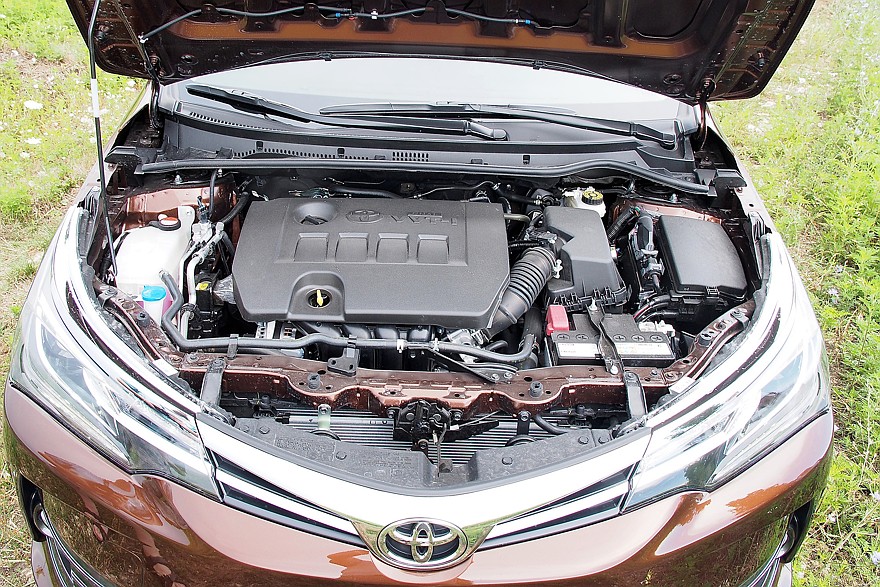
Of course, there are also reviews from owners who were unlucky and did encounter the need for unscheduled intervention: “Under warranty replacements: CVT replacement at 57,000 kilometers, replacement of calipers and pads all around, and little things like door check straps, three times all around – no use, they squeak,” “At 95,000, the steering rack, bearing, and stabilizer bushings gave out. Good thing it was still under warranty.” According to one discussion participant, “the steering rack gives out on all of them by 100,000 km.”
The rather weak paintwork is mentioned in many reviews, but not as a specific ailment of the Corolla model, but as a general trend in the modern automotive industry. As for CVT breakdowns, practically no one writes about them: “People’s fear of the CVT gearbox is unfounded! These gearboxes are quite good; the main thing is to service them on time with proper consumables.”
Many reviews mention the reliable operation of the 11th Corolla in low-temperature conditions: “Starts at -20 degrees from the key fob on the first crank,” “The Toyota Corolla is a very reliable car, and I wouldn’t trade it for a ‘German’ with mythical quality, whose owners are afraid to use their cars in frosts below -30, because either the seals blow out or something else.”
Overall, the reliability and undemanding nature of the Toyota Corolla are beyond doubt for anyone. Moreover, one of the review authors told how he was looking for the ideal car: “The ideal car for me is one that wants nothing besides refueling and scheduled maintenance,” and that he found his ideal in the Corolla. Other authors agree with him: “With normal daily driving, such a car can be used for 10 years without extra investment,” “Toyota quality doesn’t let you down, and if you need a car to drive a lot, not to sit in service shops, I recommend it. In six years of operation, I only changed the pads all around and the cigarette lighter fuse,” “You can say about it that it’s like a wife you’ve lived with for 20 years and know what to expect from her. You know it will start, get you there, and won’t let you down.”