















































The All-New Ideal L8 Officially Launched: The ‘Dad Car’ Starts Focusing on Performance and Handling
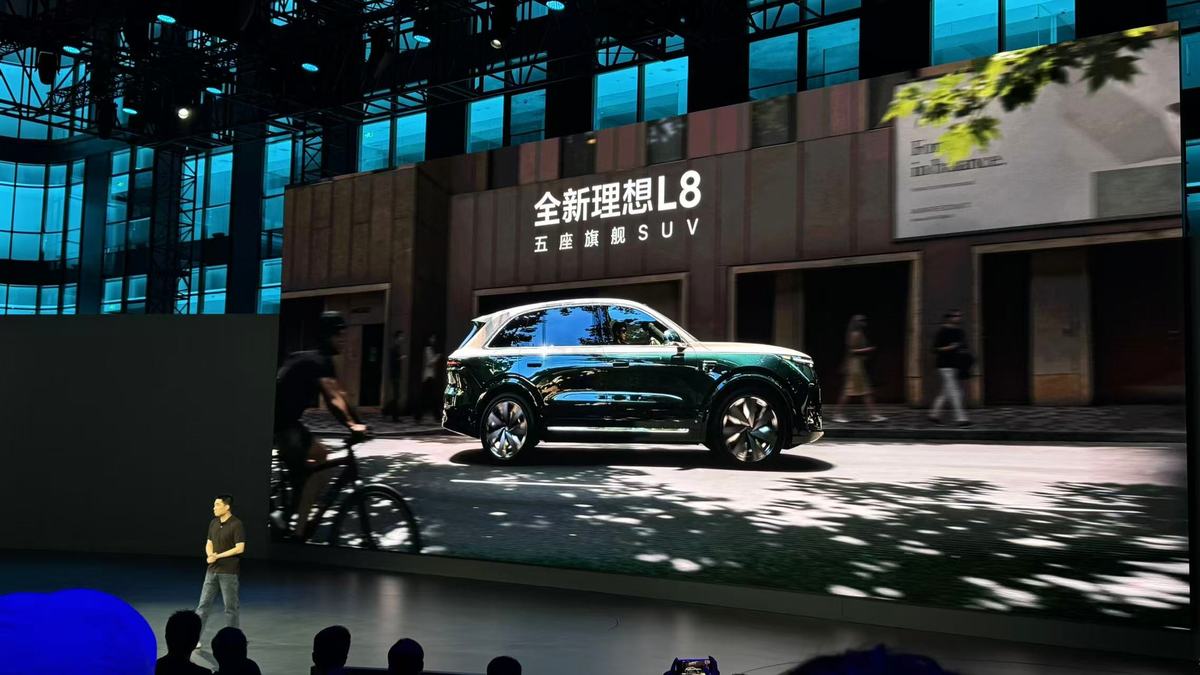
On June 23, the all-new Li Auto L8 officially launched with a generational upgrade. The new model shifts away from its previous six-seat product positioning, transforming into a native large five-seat mid-to-large flagship SUV. Only two configuration versions, Ultra and Livis, are offered, with official guide prices of 369,800 RMB and 429,800 RMB respectively. During the initial sales period, limited-time purchase benefits are also introduced to further lower the entry threshold. With this upgrade, Li Auto has concentrated its full-stack self-developed chassis, intelligent driving, and range-extender technologies into one vehicle. The two models present a clear configuration gradient, catering to both practical family users and consumers pursuing cutting-edge technology, thereby completing the brand’s five-seat SUV product lineup.
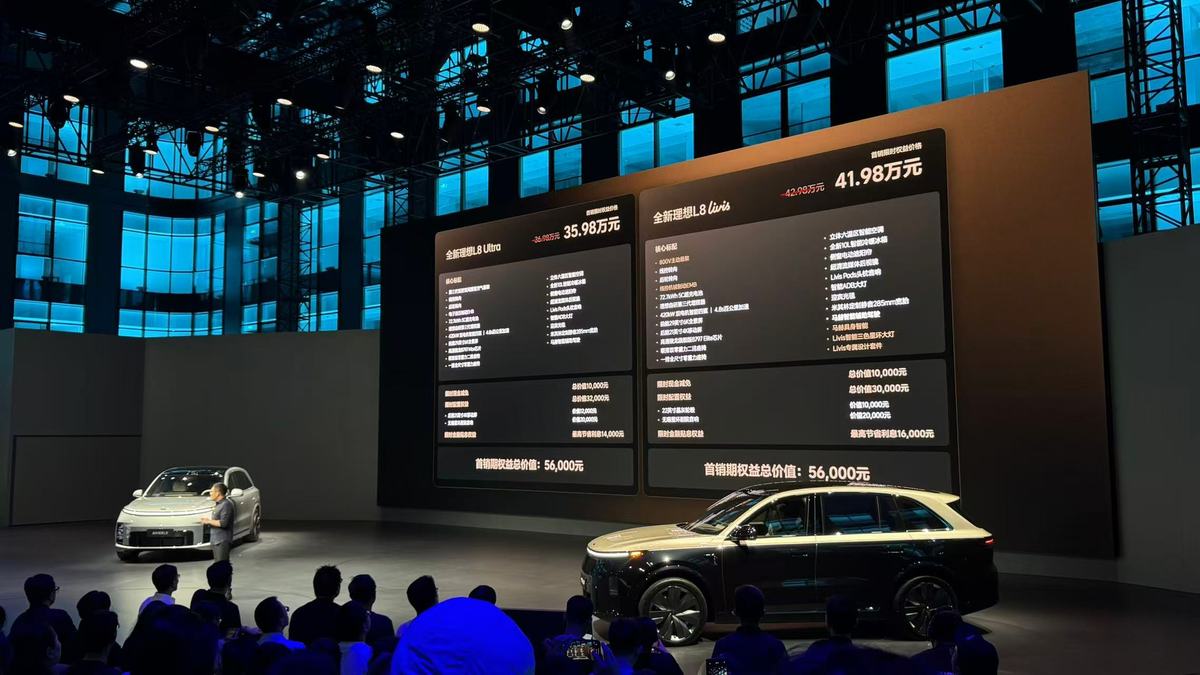
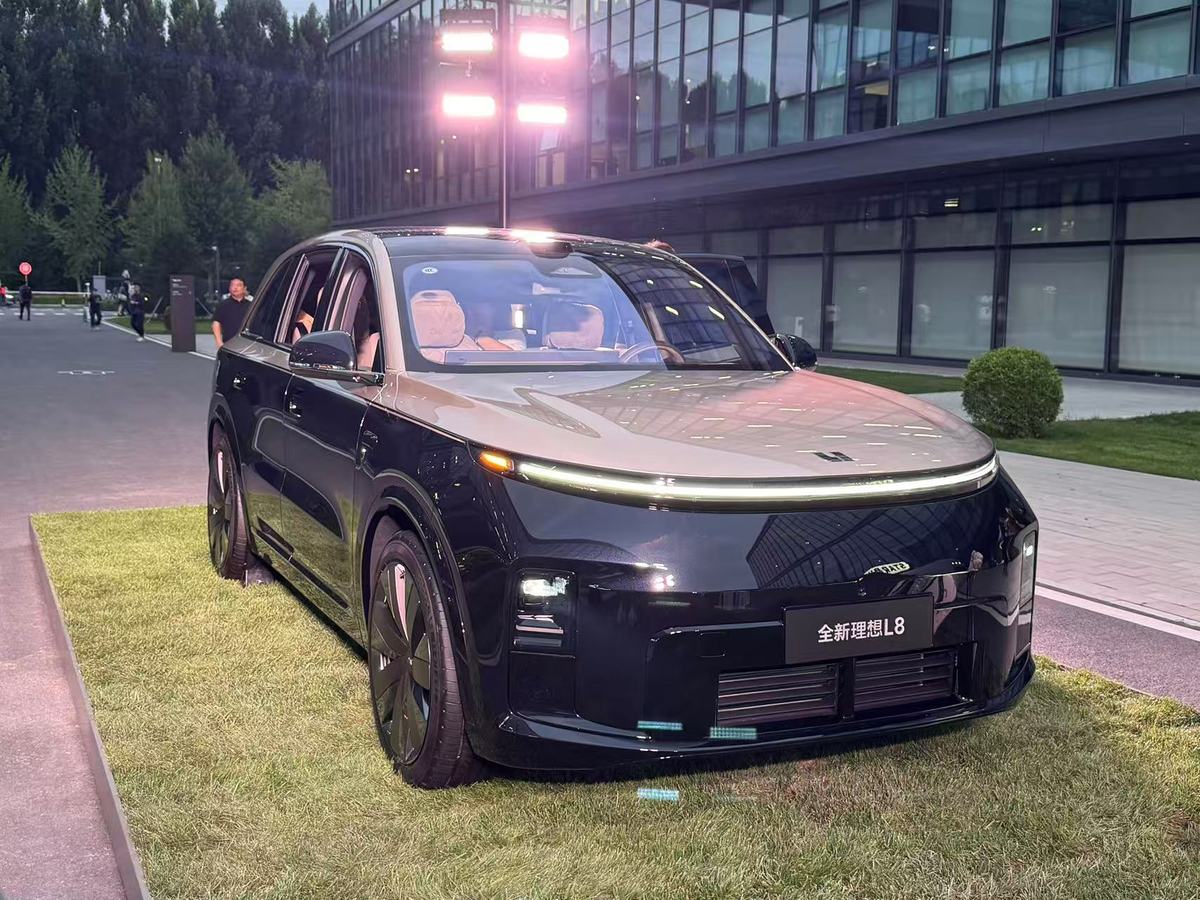
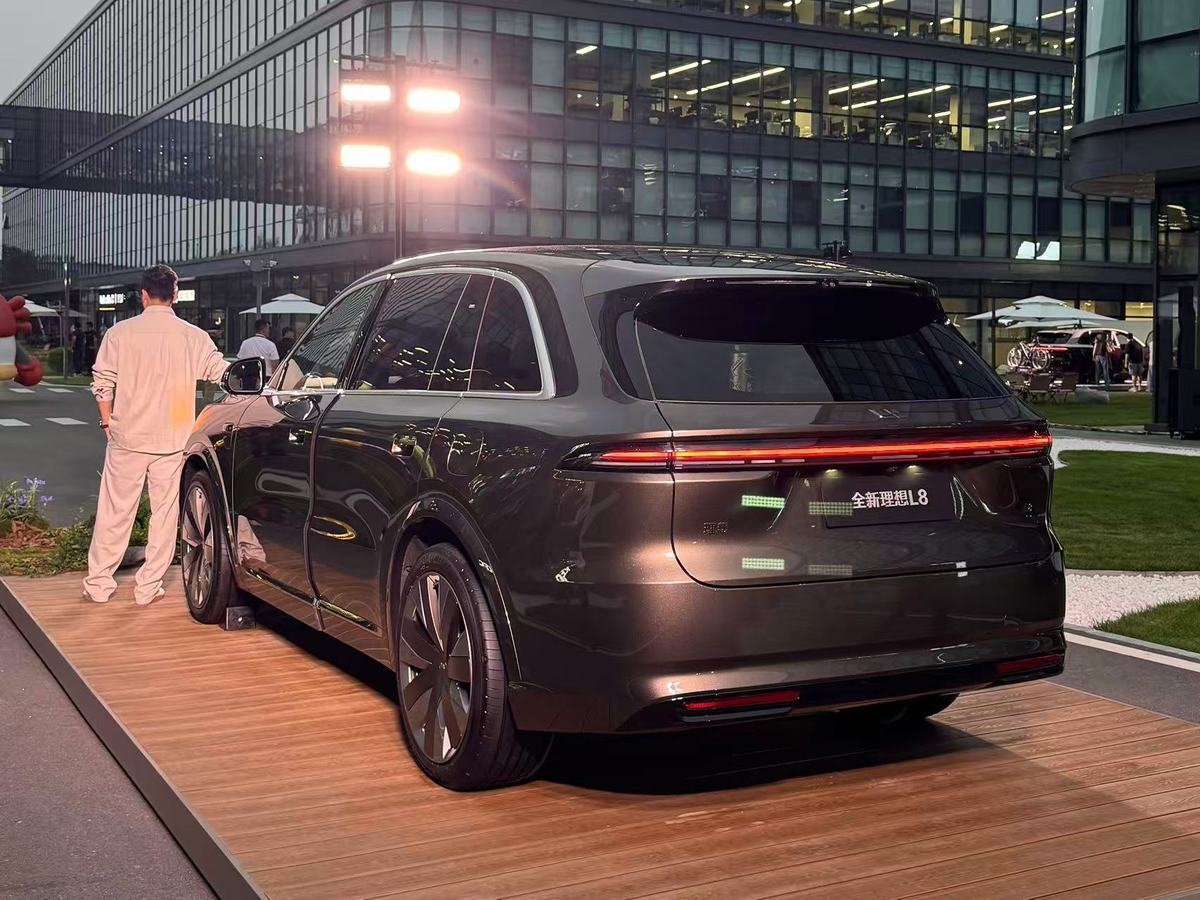
The exterior design continues Li Auto’s signature clean and imposing design language, featuring a closed-off front fascia paired with a through-type star ring headlight. The lighting effect is more refined and smooth, and it is equipped with intelligent adaptive headlights and an illuminated welcome carpet, maximizing the ambiance. The body dimensions reach 5135mm × 2000mm × 1800mm, with the wheelbase extended to 3045mm, providing a solid foundation for interior space. The side lines are straight and smooth, without unnecessary edges, and the wide body exudes a stable presence, suitable for daily city commutes, long-distance self-driving trips, as well as business and family use. The two models differ only slightly in appearance; the Livis version features exclusive exterior packages, a three-color star ring headlight, and 22-inch custom wheels, enhancing the visual luxury, while the Ultra version maintains basic configurations with a simple and enduring appearance, meeting the aesthetic needs of most consumers.
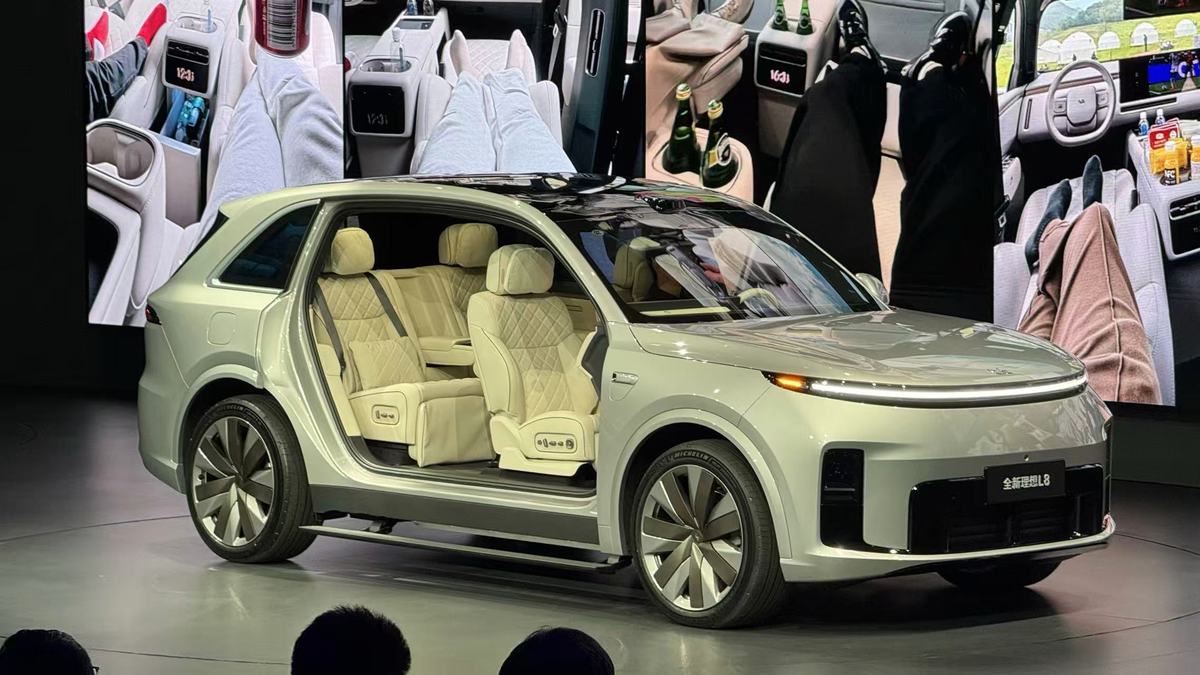
Stepping into the cabin, the space advantage brought by the native five-seat layout is fully evident. With the removal of the third row of seats, the entire cabin no longer compromises for multiple seats, and both the lateral and longitudinal space in the front and rear rows are fully released. The vehicle comes standard with four zero-gravity seats, with the front and second rows all supporting heating, ventilation, and multi-mode massage functions. The second-row seat backrest can be adjusted up to 55 degrees, allowing for a relaxed posture during long journeys. A six-zone independent automatic air conditioning system covers the entire vehicle, paired with multi-layer soundproof glass and electric sunshades, elevating the rear seat experience to executive-class levels.
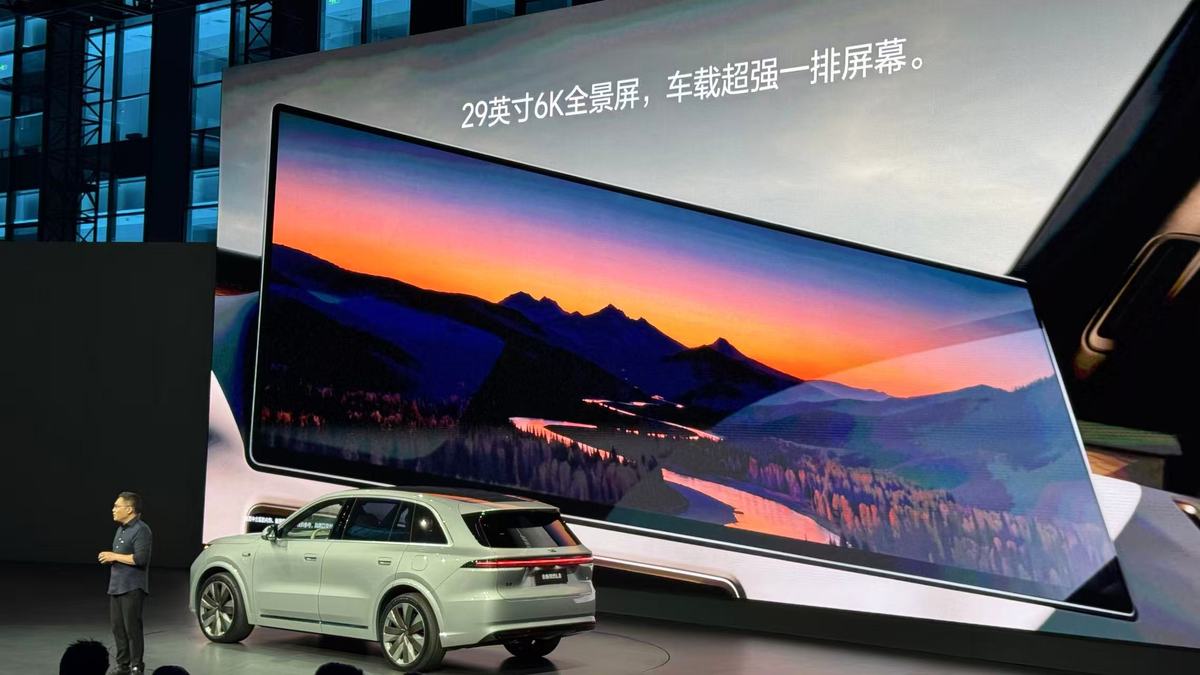
The interior hardware maintains Li Auto’s consistently high standards, with the entire lineup featuring a 29-inch 6K panoramic center control screen, powered by the Qualcomm Snapdragon 8797 series chip, ensuring smooth and lag-free infotainment operation. The Ultra version comes with a standard cabin chip, while the Livis version is upgraded to the 8797 Elite flagship processor, additionally featuring a 21-inch 4K rear entertainment screen. The entire vehicle is equipped with capacitive-sensing electric door closure, allowing doors to automatically close with a gentle touch. Coupled with a 10L in-car refrigerator and a 27-speaker theater-grade audio system, both models offer fully loaded comfort configurations. The interior differences between the two mainly lie in the rear cabin entertainment hardware, with basic comfort features not compromised. The trunk has a regular volume of 820L, easily accommodating large luggage and outdoor gear, offering practicality far surpassing that of six-seat models in the same class.
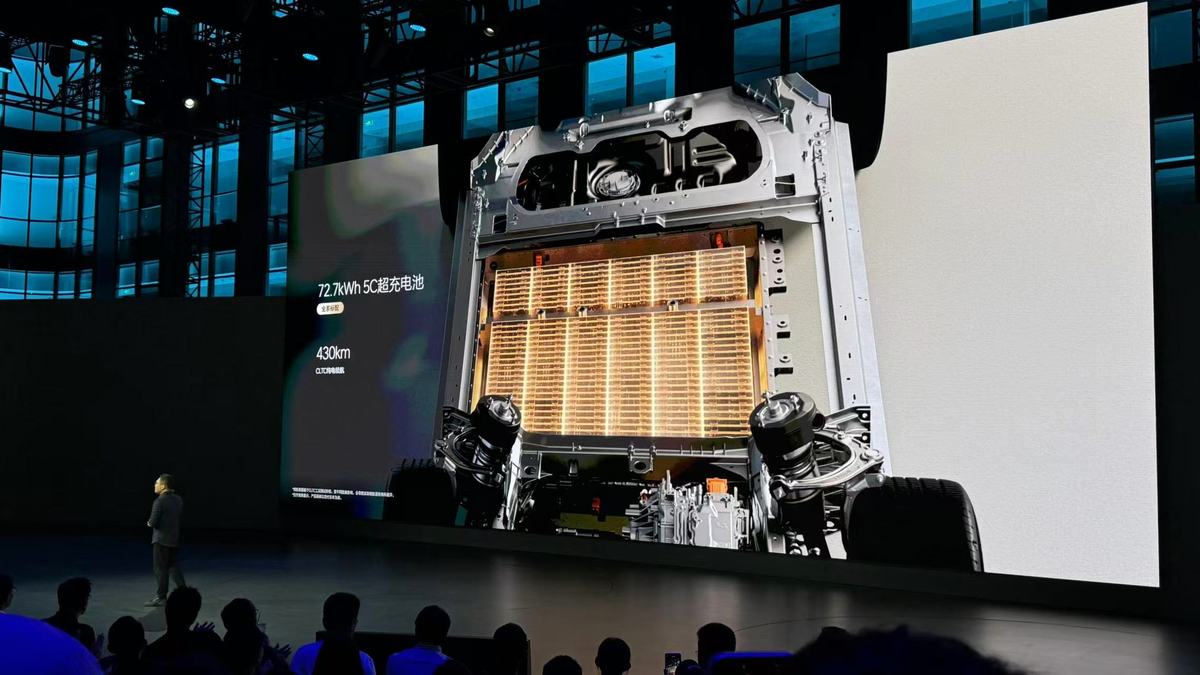
In terms of powertrain and range, both models remain completely consistent, with no differentiation between high and low power outputs, which is a commendable aspect of this new vehicle. The new model is equipped with the third-generation 5C range-extender system, featuring a 1.5T four-cylinder range extender paired with front and rear dual-motor all-wheel drive, delivering a combined maximum power of 420kW for responsive and smooth power delivery. With a 72.7kWh large-capacity 5C fast-charging battery, the CLTC pure electric range reaches 430 kilometers, allowing daily city commutes to be fully electric without frequent refueling or charging. Under full fuel and battery conditions, the combined range exceeds 1,670 kilometers, completely eliminating range anxiety for long-distance travel. The 800V high-voltage fast-charging platform enables ultra-fast charging, replenishing the battery from 20% to 80% in just half an hour. The range-extender model combines the usage costs of an electric vehicle with the long-distance convenience of a fuel vehicle, perfectly suiting multi-scenario family travel.
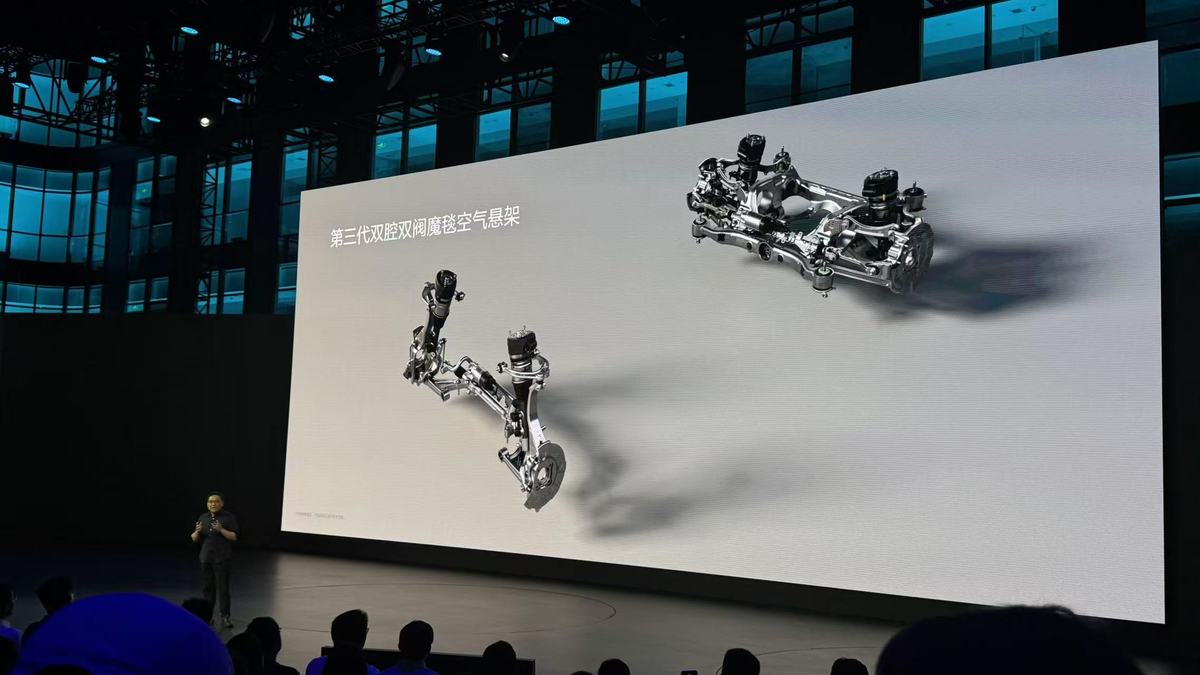
The chassis architecture is the core differentiator between the two models. The Ultra version comes standard with a dual-chamber dual-valve magic carpet air suspension, along with steer-by-wire and rear-wheel steering, achieving a turning radius of only 5.1 meters. For such a large SUV, low-speed U-turns are as agile as a mid-size sedan. The air suspension effectively filters out fine road vibrations, balancing handling and comfort, and is sufficient for most family driving conditions. The top-of-the-line Livis version is directly upgraded to an 800V full-by-wire active chassis, adding EMB (Electromechanical Braking) for significantly enhanced hardware redundancy. This full-by-wire chassis can adjust the vehicle’s posture in real-time, offering stronger stability during emergency braking and reduced body roll during cornering, retaining a comfortable ride while delivering a more advanced handling feel. It targets users who plan to keep the vehicle long-term and seek ultimate chassis performance.
The intelligent driving hardware is also divided into two tiers. The Ultra is equipped with a single roof-mounted LiDAR and seven 8-megapixel high-definition cameras, powered by a single Mach M100 intelligent driving chip with a total computing power of 1,280 TOPS. It can stably run functions such as highway NOA navigation, urban assisted driving, and fully automatic parking, proving reliable for daily city commuting and long highway trips. The hardware configuration can meet OTA upgrade needs for several years. The Livis version maxes out the intelligent driving hardware, featuring four LiDAR units across the vehicle. In addition to the main roof radar, three solid-state variable-focus LiDARs are added, covering the vehicle’s surroundings. Paired with dual Mach M100 chips, the total computing power doubles to 2,560 TOPS. The multi-radar perception solution can handle extreme conditions such as heavy rain, nighttime backlighting, and complex intersections with crossing traffic, maximizing perception redundancy. It also incorporates an embodied intelligence large model, further enhancing the stability and safety of high-level urban navigation, representing a long-term hardware reserve for the future.
From a buyer’s perspective, the Ultra version is the volume driver of the lineup. With a guide price of 369,800 RMB, it offers complete comfort configurations, a reliable chassis, and sufficient intelligent driving systems. It is suitable for families of three or four for daily commuting and short weekend trips, prioritizing cost-effectiveness without needing extreme high-level intelligent driving. The core demands are adequate basic functionality and ride comfort. The Livis version is positioned as a technology flagship, with the extra budget entirely invested in chassis hardware and intelligent driving perception equipment. It is suitable for consumers who plan to keep the vehicle long-term, frequently travel long distances across cities, and value active safety redundancy. The full-by-wire chassis and four-LiDAR hardware ensure the vehicle will not become outdated due to technological iteration over the next five to six years.
The all-new Li Auto L8 abandons the crowded six-seat layout, focusing on the large five-seat market segment, precisely capturing the consumption trend where middle-class families increasingly value ride quality. The two models share the same powertrain, range, and basic luxury configurations, differentiating only in chassis, intelligent driving, and rear cabin entertainment hardware. This ensures that the entry-level version’s configurations are not compromised while leaving room for hardware upgrades for enthusiasts. For those seeking a five-seat SUV with no range anxiety, balancing family comfort and intelligent technology, the all-new Li Auto L8 Ultra is balanced and practical enough. For those wanting to go all-in with a full-by-wire chassis and high-level intelligent driving hardware, the Livis flagship version will be a better long-term choice.