

































Polestar announces withdrawal from the U.S. in 2027… Volvo survives in America
Swedish premium electric vehicle manufacturer Polestar has announced its withdrawal from the U.S. market. Polestar stated that the background is to focus on the European market, which accounts for 80% of global sales, but the core factor lies in the regulations of the U.S. administrative authorities.
The U.S. Department of Commerce’s Bureau of Industry and Security (BIS) has strengthened regulations restricting the import and sale of vehicles equipped with connected vehicle technology linked to China. This measure stems from concerns that data collection through Bluetooth, Wi-Fi, cellular, and satellite communication technologies installed in vehicles could negatively impact national security. The regulation is referred to as the “Connected Vehicles Rule.”
Polestar, whose major shareholder is China’s Geely Group, had already anticipated and prepared for these variables starting in 2024. As a result, it is analyzed that the final withdrawal was confirmed when the U.S. Department of Commerce’s Bureau of Industry and Security prohibited the sale of Polestar models from model year 2027 onward in the United States.
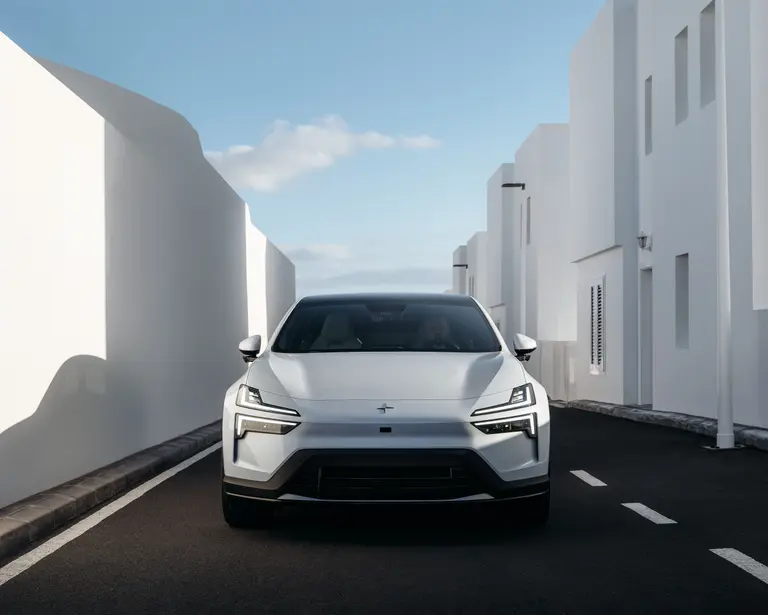
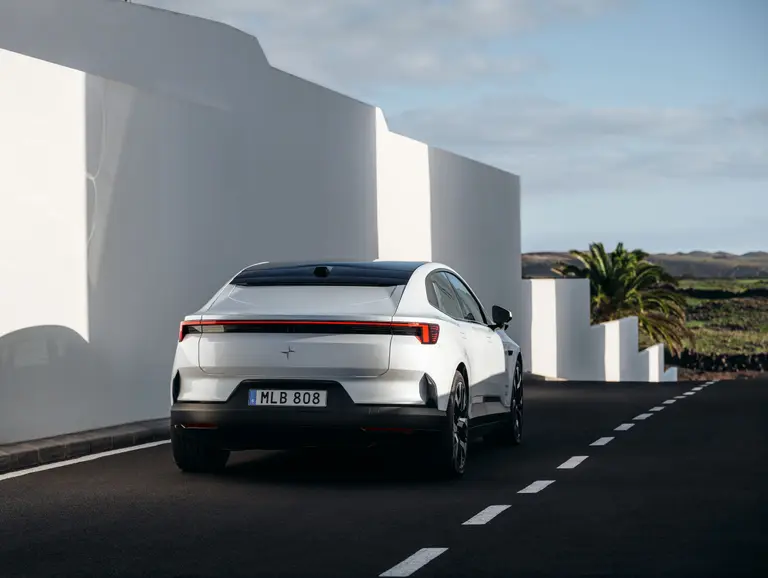
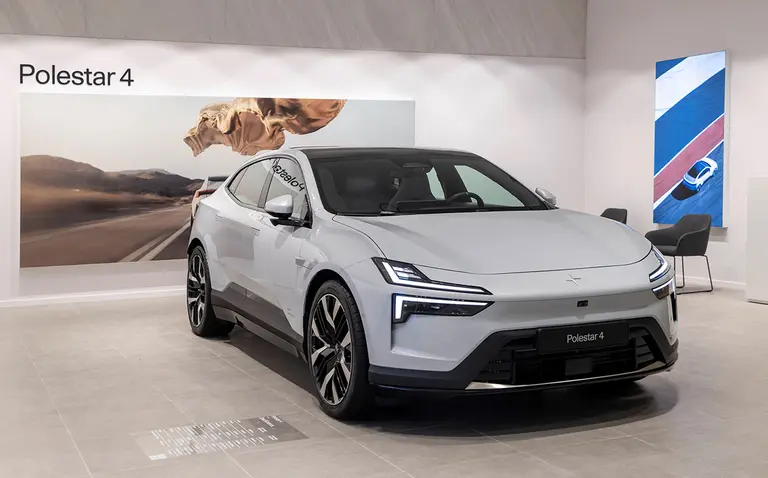
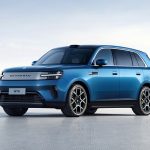
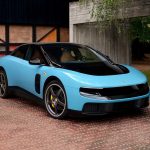
Polestar had been producing the large SUV Polestar 3 in the U.S. market, while the mid-size model Polestar 4 was imported and sold from units produced at Renault Korea’s Busan plant. Polestar will continue selling existing inventory vehicles in the North American market while providing local customer support services in the future.
The impact of this sales ban on Polestar’s long-term financial structure may be limited. Polestar stated that the U.S. market accounted for approximately 6% of total sales in the first quarter of 2026. Polestar is expected to seek re-entry into the U.S. market in the future while also developing new alternative markets with high growth potential outside North America.
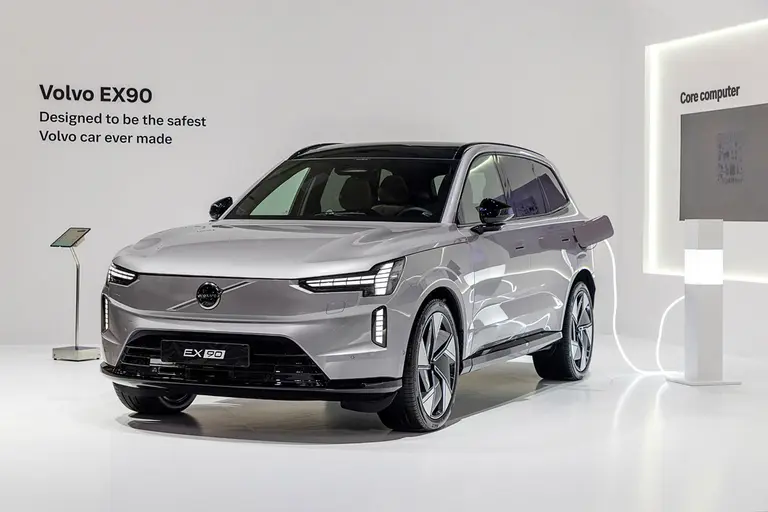
Meanwhile, Volvo, a Swedish brand under the same Geely Group as Polestar, reportedly received approval from the Department of Commerce in May to sell vehicles in the United States. The specific reason why only Polestar was excluded from approval within the Geely Group lineup has not been disclosed. Since the Department of Commerce’s vehicle sales approval regulations must be renewed annually, there is potential for changes in the future.
Renault Korea began production of the Polestar 4 for North American export in September 2025. Cumulative export volume from the start of production through May 2026 amounts to approximately 4,000 units. With this measure, Geely Group’s strategy of avoiding U.S. tariffs on Chinese-made vehicles through Korean production has become unavoidably subject to revision, and accordingly, Polestar 4 production volume at Renault Korea’s Busan plant is expected to be adjusted downward.
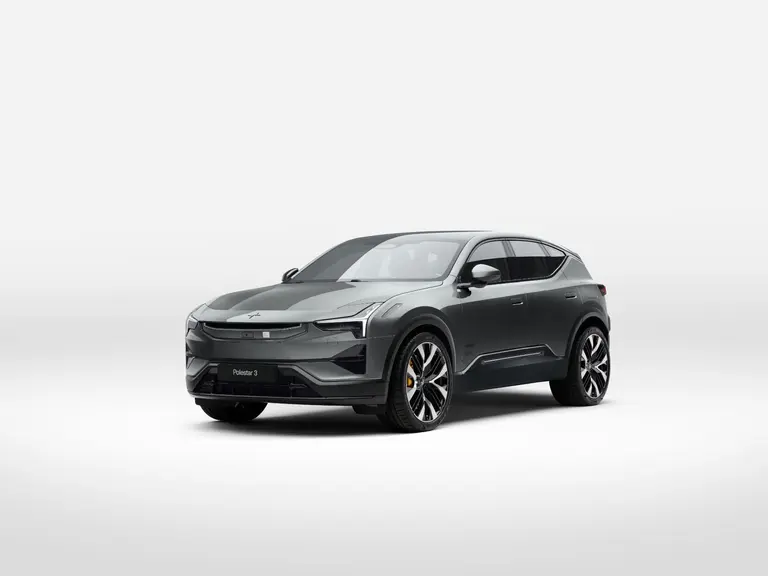
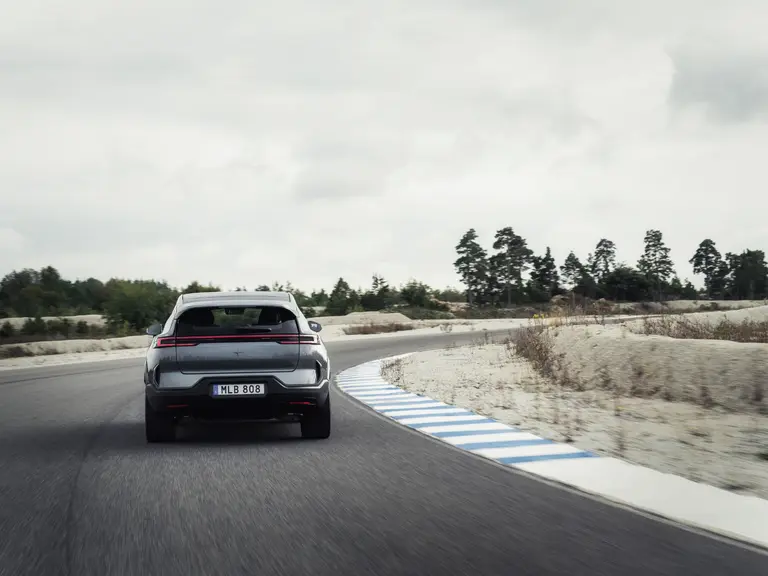
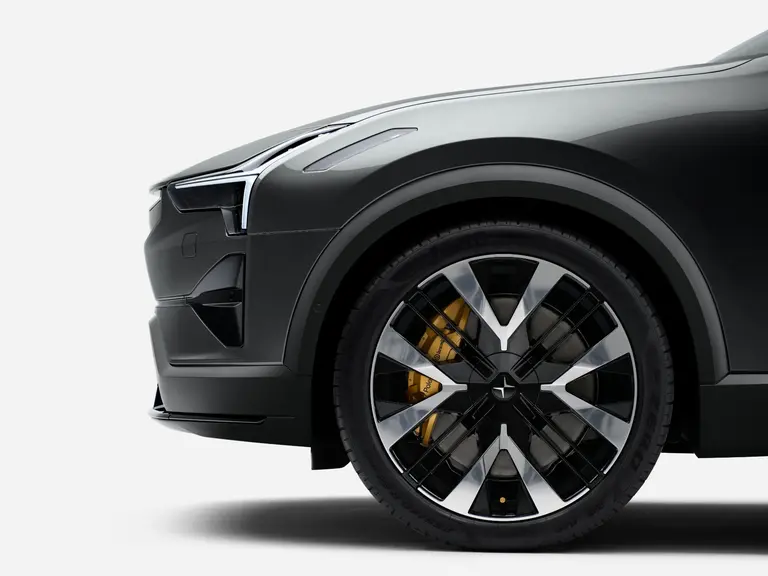
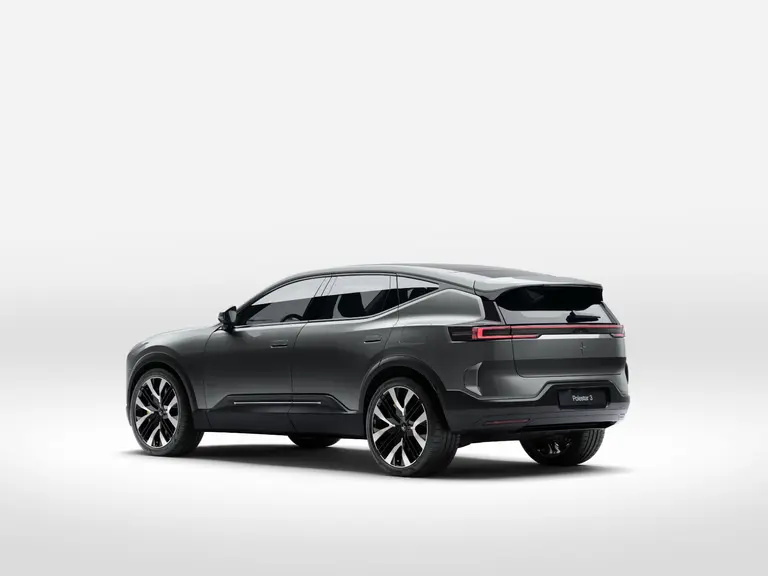
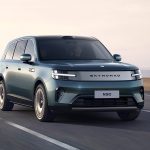
In the domestic market, the large SUV Polestar 3 is scheduled for launch. It is an 800V-based pure electric vehicle sharing the SPA2 platform with the Volvo XC90. It will be released in dual motor and performance specifications with electric motors mounted on both front and rear axles, equipped with CATL’s 106kWh-class lithium-ion battery.
According to Ministry of Environment certification data, the dual motor specification’s single-charge driving range is 517km city, 448km highway, and 486km combined at standard temperature, and 421km city, 443km highway, and 431km combined at low temperature. The performance specification has completed certification with 465km city, 405km highway, and 438km combined at standard temperature, and 343km city, 404km highway, and 370km combined at low temperature.
The dual motor specification delivers a combined total output of 544 horsepower and maximum torque of 75.46 kgf·m, while the performance specification offers a combined total output of 680 horsepower and maximum torque of 88.81 kgf·m.
Currently, the Polestar 3 is in mass production at the Chengdu plant in China and the South Carolina plant in the United States. Considering that the Polestar 2 and Polestar 4 currently sold domestically are all produced in China, it is analyzed that the Polestar 3 to be introduced domestically is also highly likely to be imported from Chinese plant production.