







































Declassified BMW X5 of the fifth generation: new design and a variety of technology, prices are known
SUV variants with internal combustion engines will go on sale at the end of November 2026, while modifications with fully electric and plug-in hybrid powertrains will follow at the beginning of next year.
The Bavarian brand began producing the BMW X5 in 1999, and over the years the crossover has managed to change generations several times. Now the manufacturer has finally fully unveiled the new BMW X5 of the fifth generation (internal factory index – G65): the world premiere took place at the BMW plant in Spartanburg (South Carolina). Prices for the just-presented “X five” are already known.
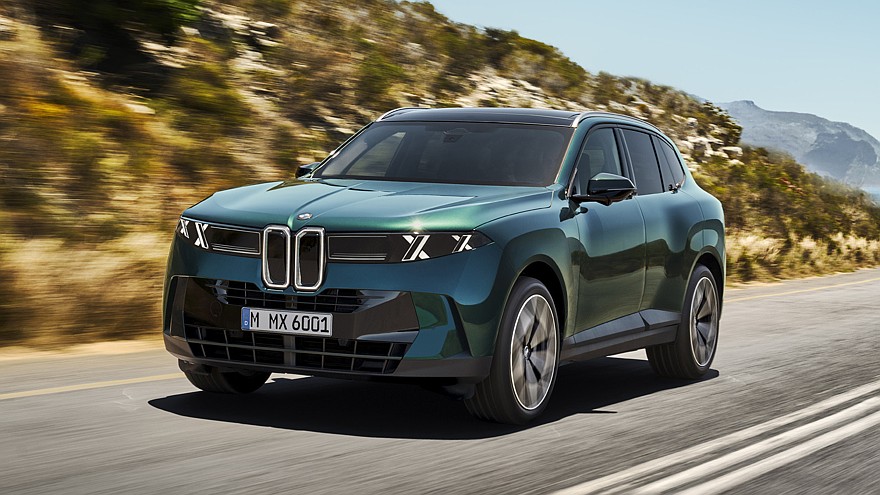
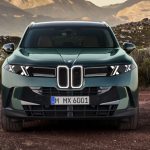
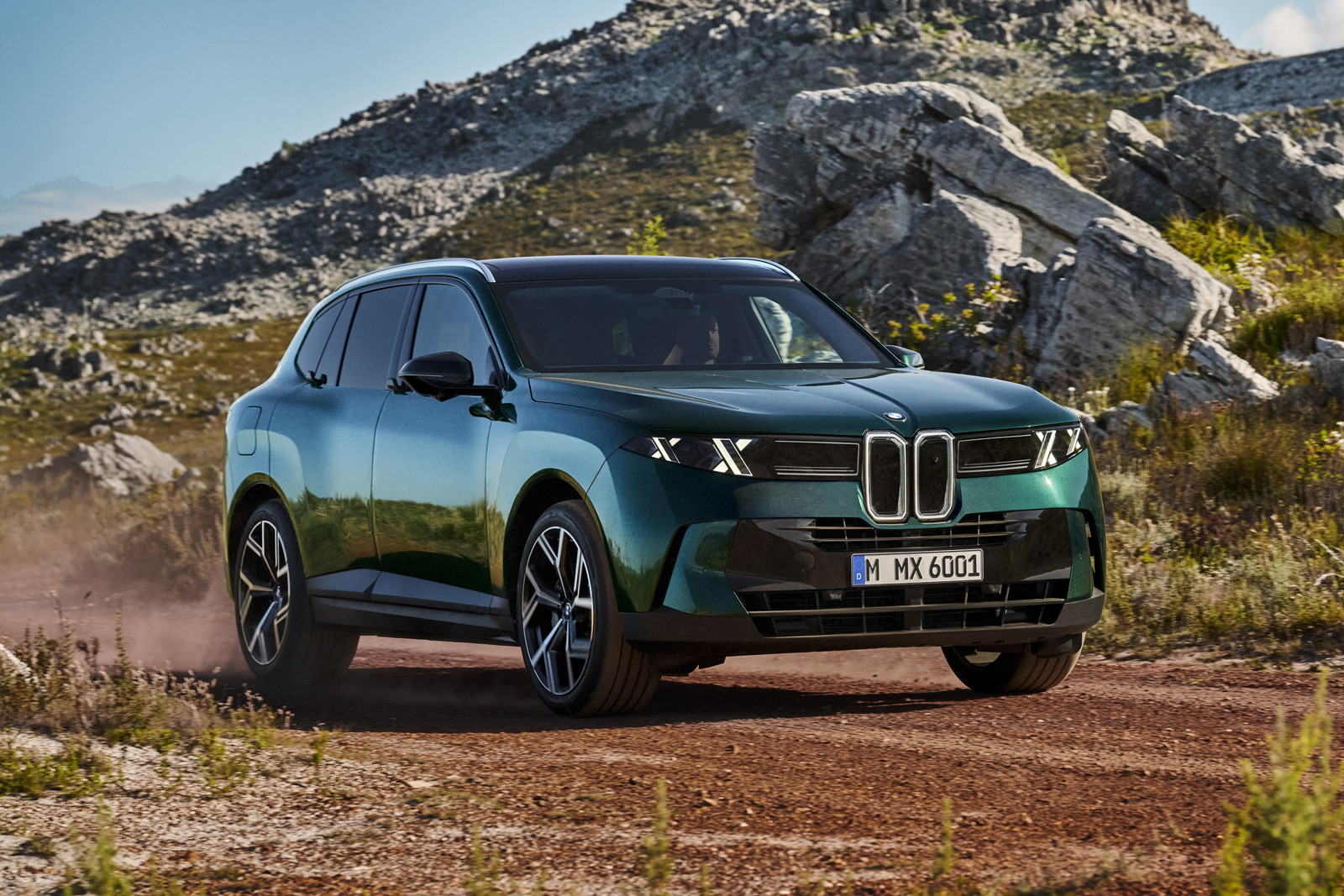
The design of the fifth-generation BMW X5 corresponds to the current corporate style of the Bavarian brand – Neue Klasse. The new model features horizontally elongated headlights with a light signature in the form of a pair of “X” shapes on each side, separated in the center by a vertical element of the iconic family “kidneys” with illuminated trim; below that, on ICE versions, there is a radiator grille, while on electric versions there is a black glossy plastic cover. A large-mesh air intake is integrated into the final tier of the front bumper.
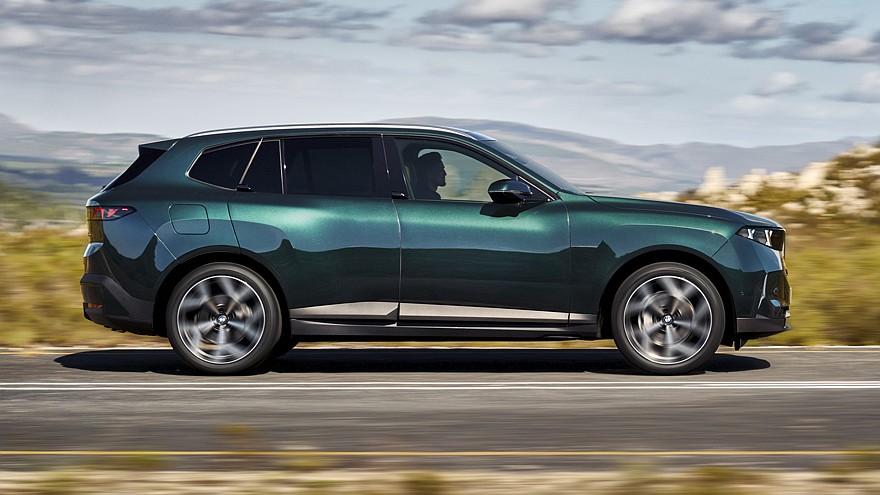
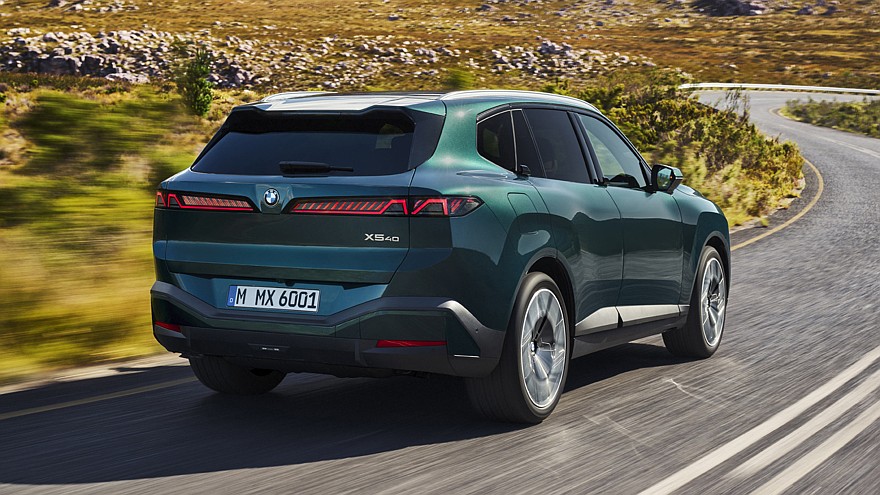
The model features widened wheel arches, roof rails, conventional exterior mirrors, and unconventional petal-shaped door handles mounted at the boundary of the side glazing. The profile is further adorned by wheel rims sized either 21 or 23 inches (depending on the version). The standard equipment list includes adaptive dampers, with air suspension available at extra cost. The rear features a sculpted spoiler at the top of the tailgate and horizontally elongated taillights divided by a “tab” with the brand logo.
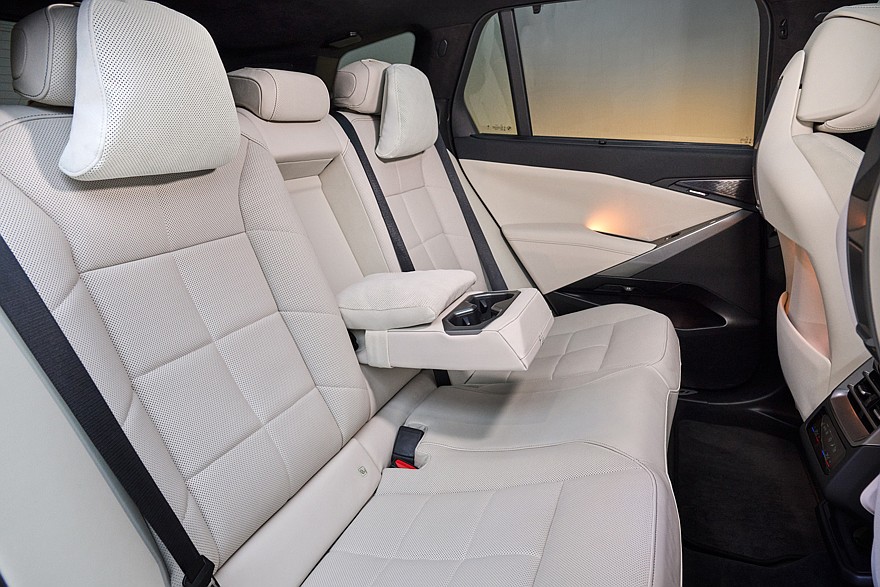
The “fifth” BMW X5 and iX5 are based on a modernized version of the CLAR platform. The overall length of the new model is 4994 mm (72 mm more than its predecessor), width – 2000 mm (4 mm less), height – 1751 mm (6 mm more), and the wheelbase – 3035 mm (60 mm more than the fourth-generation X5). The trunk volume is 655 liters (525 liters for hybrids), which increases to 1850 liters (1680 liters) with the rear seats folded down, and the “green” version also has an additional storage compartment under the hood with a capacity of 53 liters.
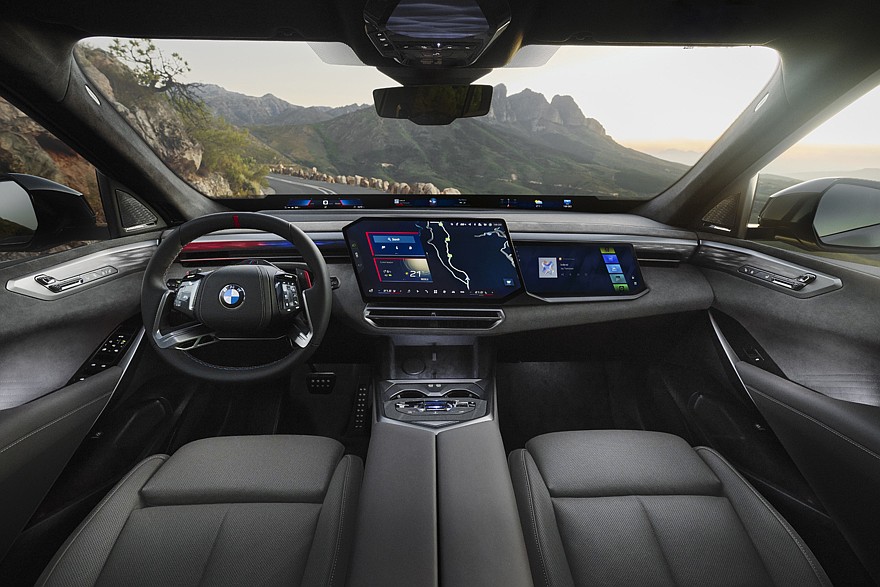
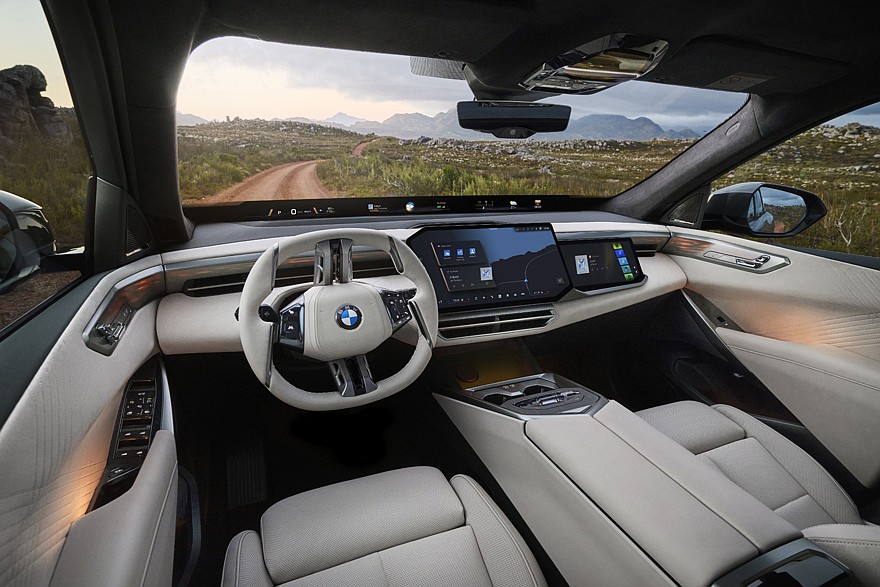
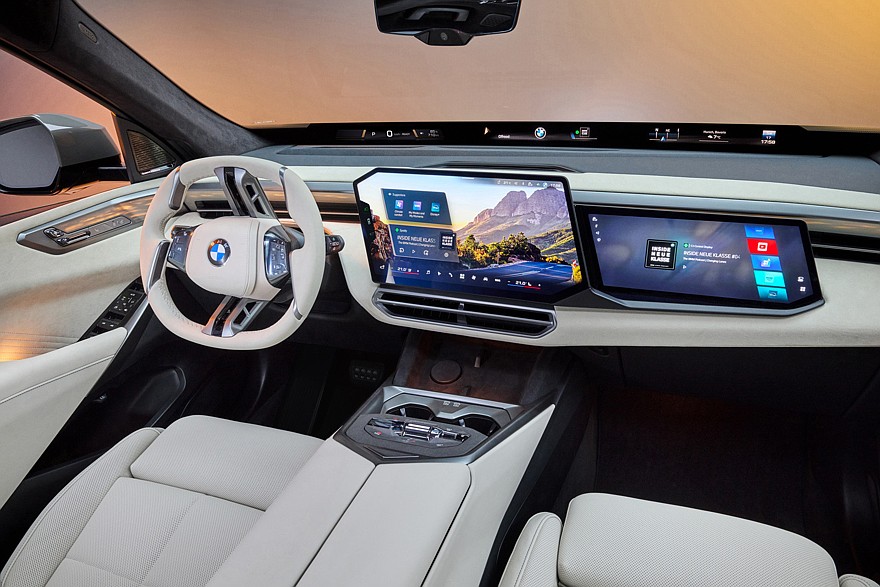
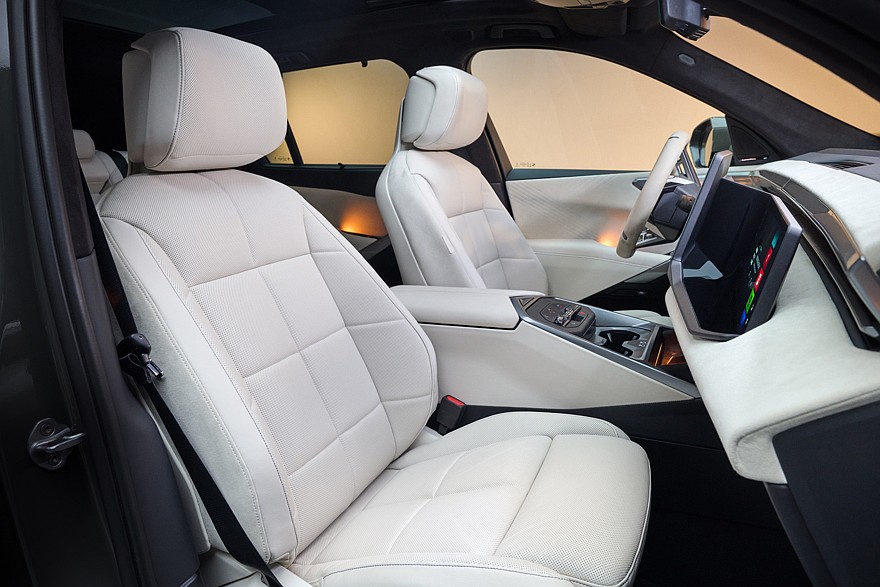
The model is equipped with a panoramic glass roof with an area of 2.6 square meters, interior ambient lighting, a sport steering wheel with a flattened rim and physical buttons, as well as an elongated horizontal BMW iDrive display at the bottom of the windshield that replaces the conventional instrument cluster. The front panel also features a pair of displays for the proprietary infotainment system – a central touchscreen with a 17.9-inch diagonal and a 14.6-inch screen for the front passenger. Optionally, the crossover offers a fully automatic door-closing function.
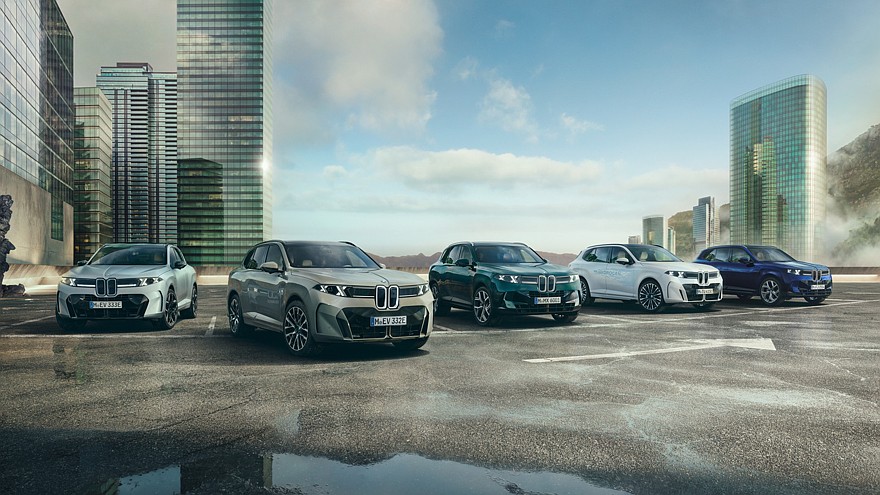
As we previously reported, the new “X five” will be offered with five powertrain options. One of the modifications will be the BMW iX5 Hydrogen, whose technical details we covered earlier; production of this variant will only begin in 2028. The crossover debuted with internal combustion engines operating as part of mild-hybrid systems. Thus, the X5 40 xDrive variant (a rear-wheel-drive BMW X5 40 is available for the American market) is based on a 400-horsepower 3.0-liter twin-turbo gasoline six-cylinder engine with a maximum torque of 580 Nm, paired with an eight-speed Steptronic automatic transmission. Such an SUV takes 5.3 seconds to accelerate from standstill to 100 km/h, with a top speed electronically limited to 250 km/h.
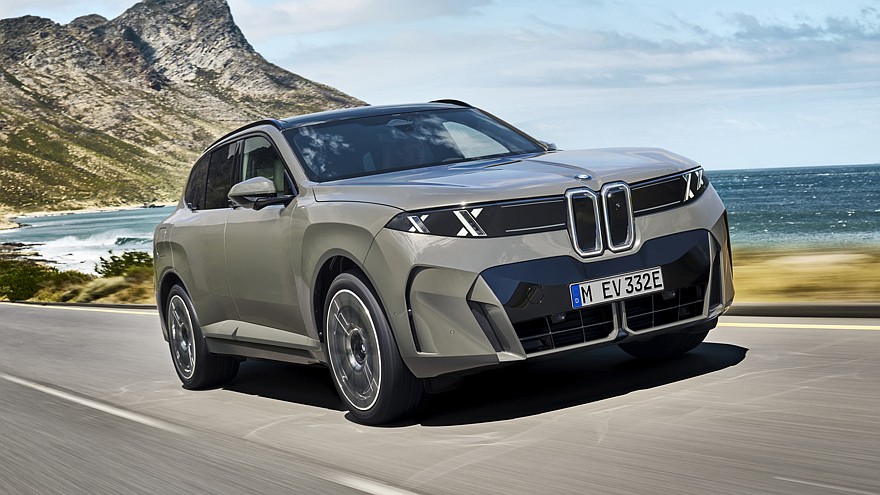
The BMW X5 40d xDrive version is based on an MHEV setup featuring an inline 3.0-liter six-cylinder twin-turbo diesel engine, with a combined system output of 313 hp and 670 Nm. The engine also comes with an 8-speed automatic transmission. This crossover takes 6.1 seconds to accelerate from 0 to 100 km/h, with a top speed electronically limited to 230 km/h.
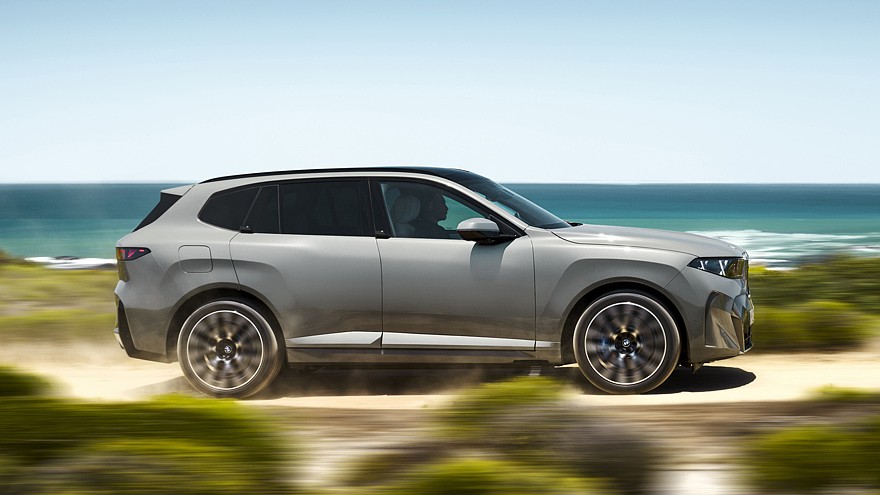
The BMW X5 50e xDrive hybrid includes a 313-hp (450 Nm) 3.0-liter gasoline twin-turbo engine mated to an eight-speed gearbox, a 197-hp electric motor (280 Nm), and a battery with a usable capacity of 26.5 kWh. The combined system output is 489 hp (700 Nm), with a maximum electric-only range of 102 km (WLTP cycle) at speeds up to 140 km/h. It reaches 100 km/h in 5 seconds, with a top speed of 250 km/h.
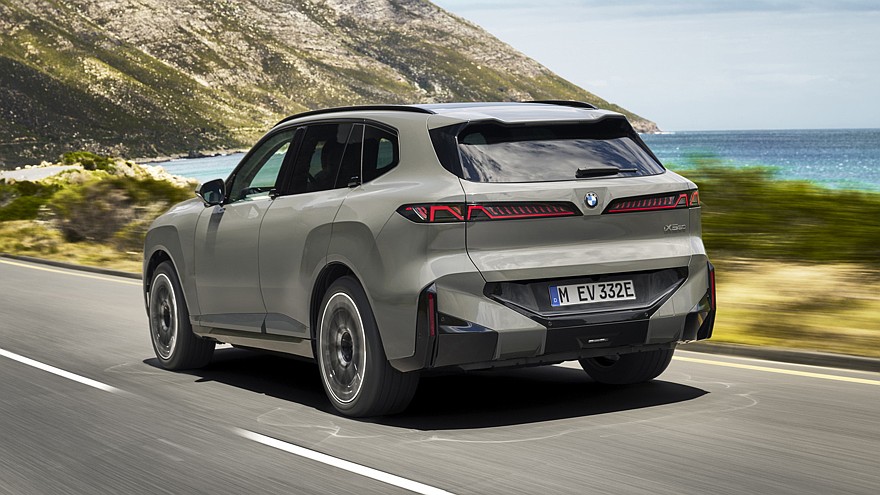
The BMW X5 M60e xDrive modification is equipped with a 612-hp hybrid powertrain with a maximum torque of 800 Nm. It is based on a 426-hp 3.0-liter gasoline twin-turbo engine (540 Nm) working in tandem with the same 197-hp electric motor integrated into the 8-speed automatic transmission and a similar battery. It takes 4.2 seconds to accelerate from standstill to 100 km/h, and it can travel up to 98 km on electric power alone without recharging.
The fully electric BMW iX5 60 xDrive version features an 800-volt architecture, all-wheel drive, and a dual-motor setup with a combined output of 578 hp and torque of 805 Nm. The system also includes a traction battery with a usable capacity of 141 kWh. The maximum range of this crossover on a single charge is up to 845 km, the top speed is electronically limited to 210 km/h, and it takes 4.6 seconds to accelerate from standstill to 100 km/h.
Production of the new BMW X5 will start at the BMW plant in South Carolina (USA) in August 2026. Crossovers with ICEs as part of MHEV setups will go on sale at the end of November, while modifications with fully electric and plug-in hybrid powertrains will follow at the beginning of next year. The starting version, the BMW X5 40, will cost $69,800 in the US (equivalent to approximately 5.5 million rubles at the current exchange rate), while the similar all-wheel-drive model starts at no less than $72,100 (about 5.7 million rubles). Purchasing the X5 50e xDrive hybrid will cost $77,500 (about 6.1 million rubles), and the electric iX5 60 xDrive – $79,800 (about 6.3 million rubles).