













































Nissan Tekton: A Patrol-Inspired Compact Crossover for Emerging Markets
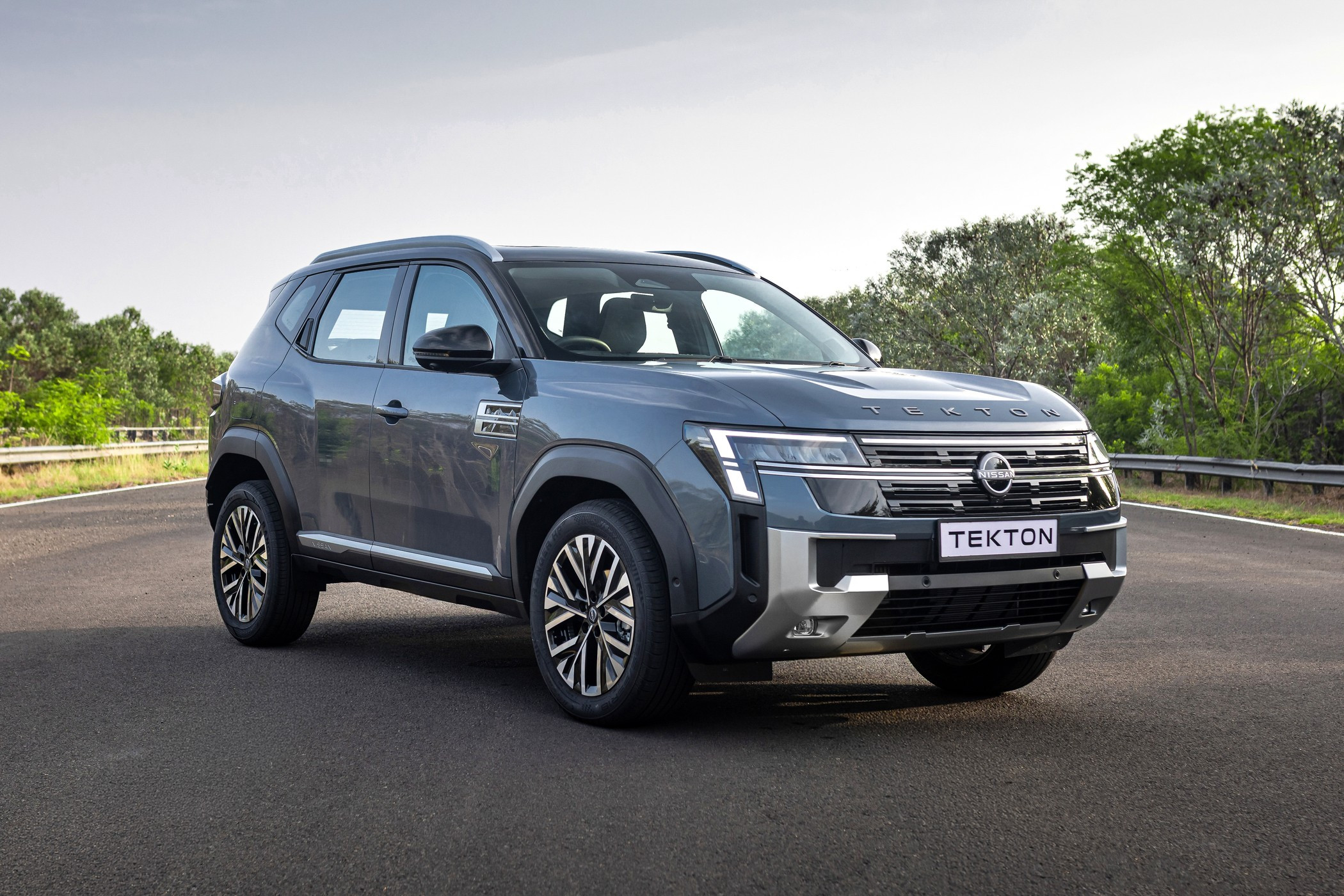
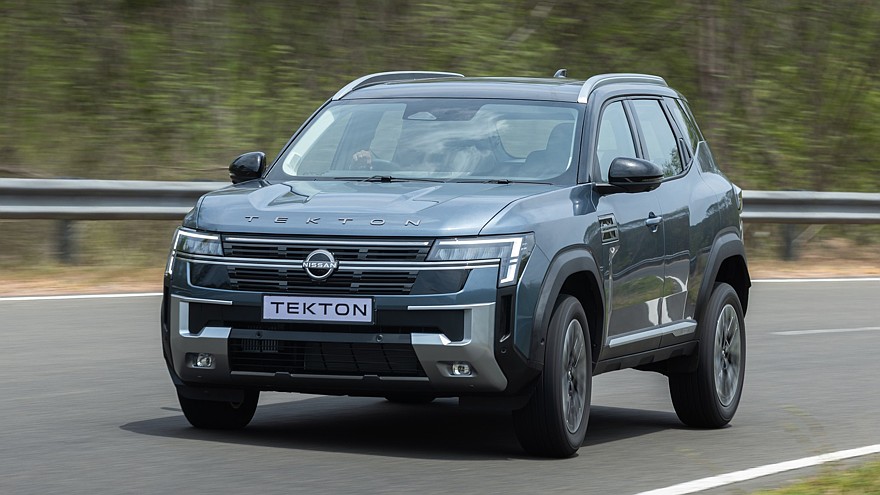
Nissan has held the premiere of its new compact crossover, the Tekton. It is a technical clone of the Indian Renault Duster and will be produced alongside it at the Renault Nissan plant in Chennai. From India, the Nissan Tekton will be supplied to other developing markets, mainly countries in Africa and the Middle East.
As teasers, the Nissan Tekton was announced back in October last year, but only today did its full premiere take place. The Tekton is effectively a replacement for the Terrano crossover, which was a clone of the first-generation Renault Duster but sold poorly, so the new model received a new name, Tekton, of Greek origin, meaning “craftsman” or “architect.”
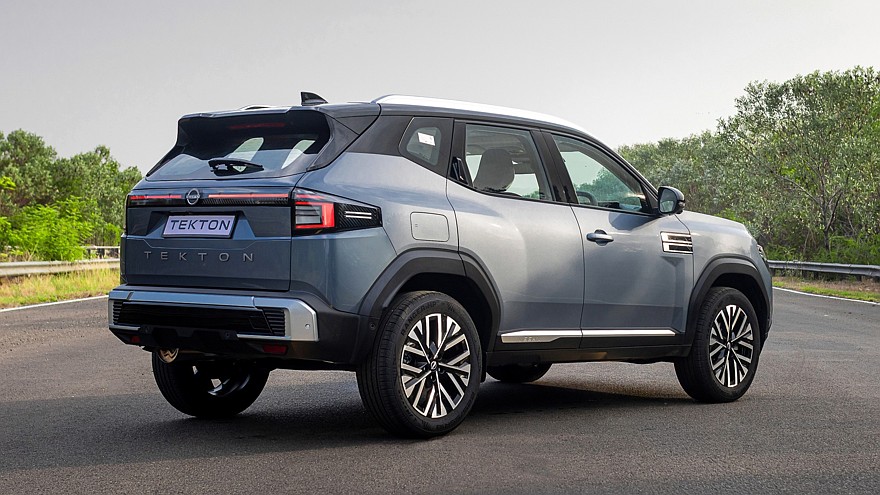
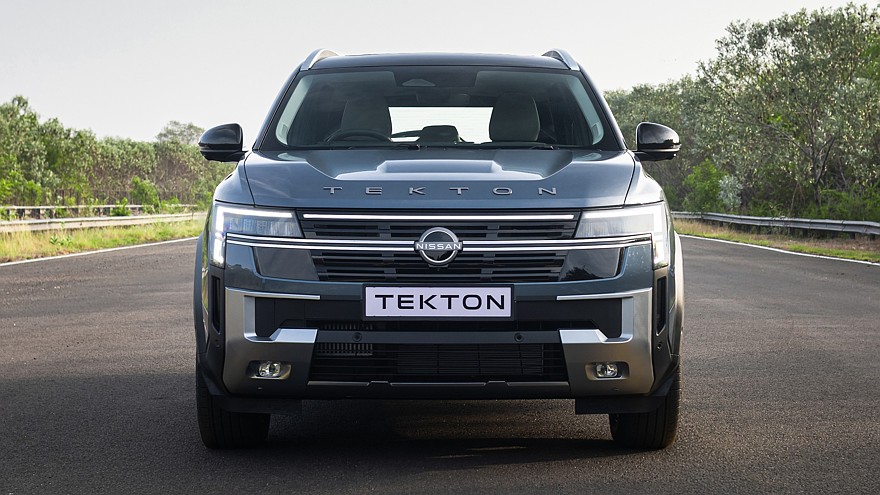
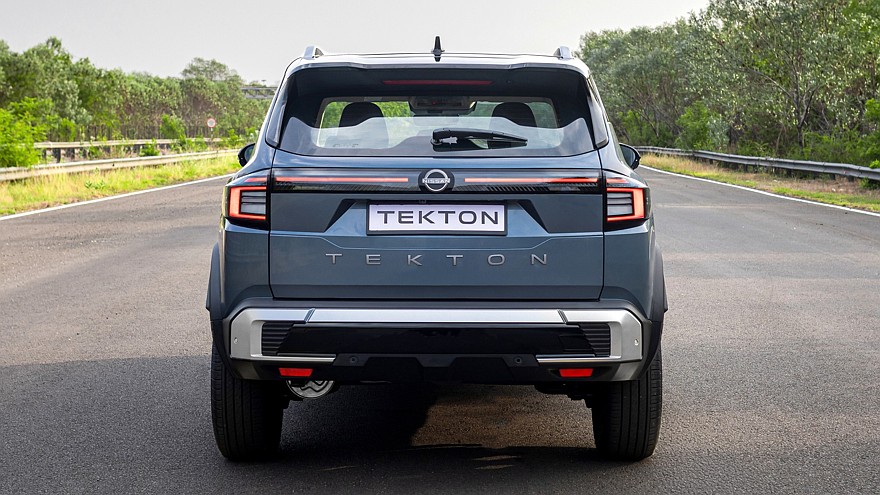
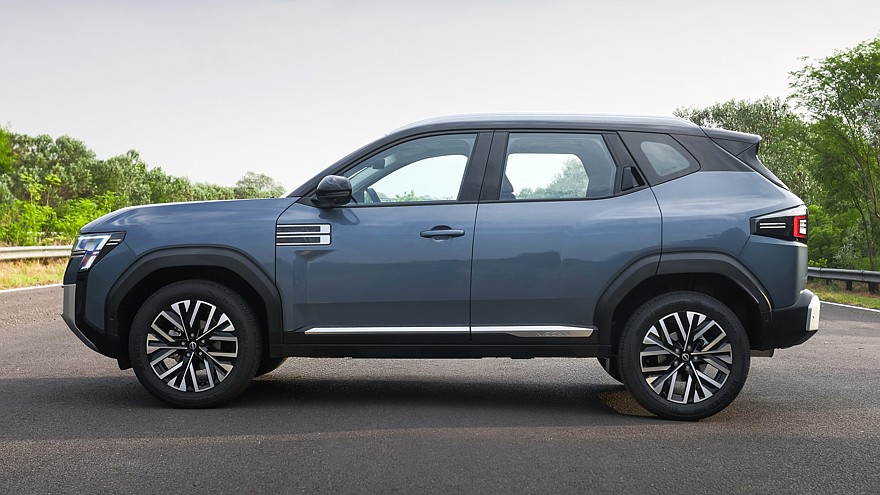
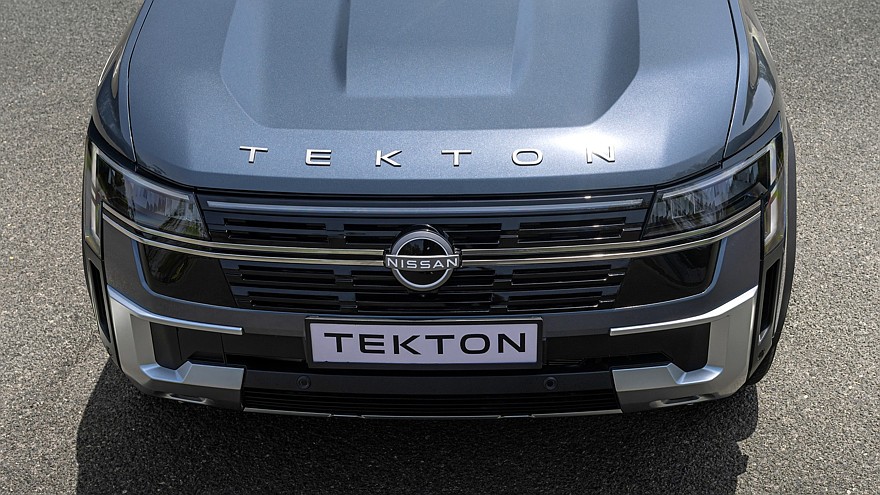
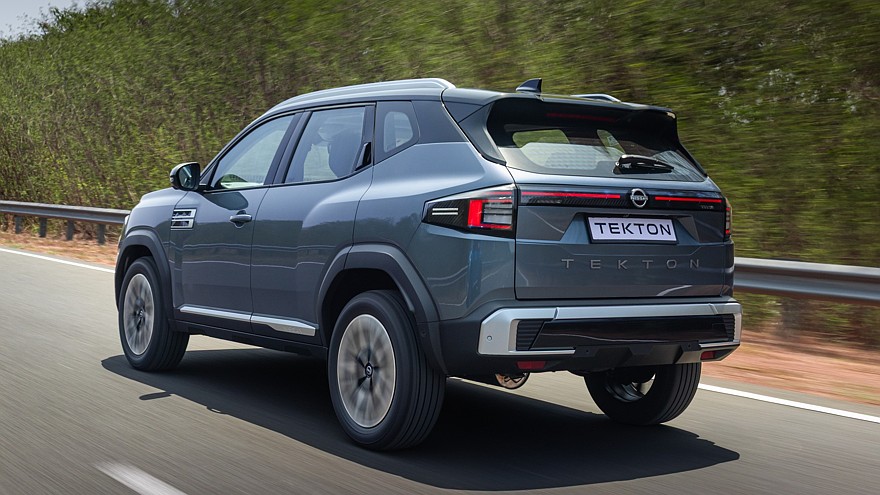
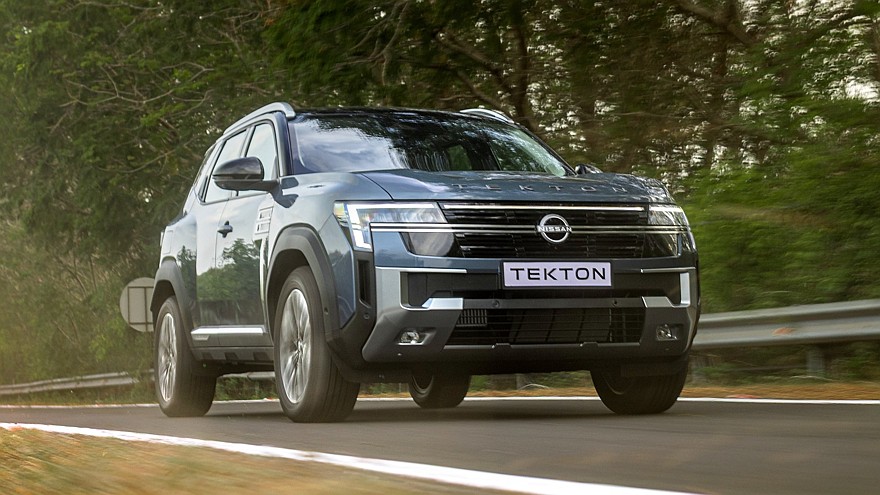
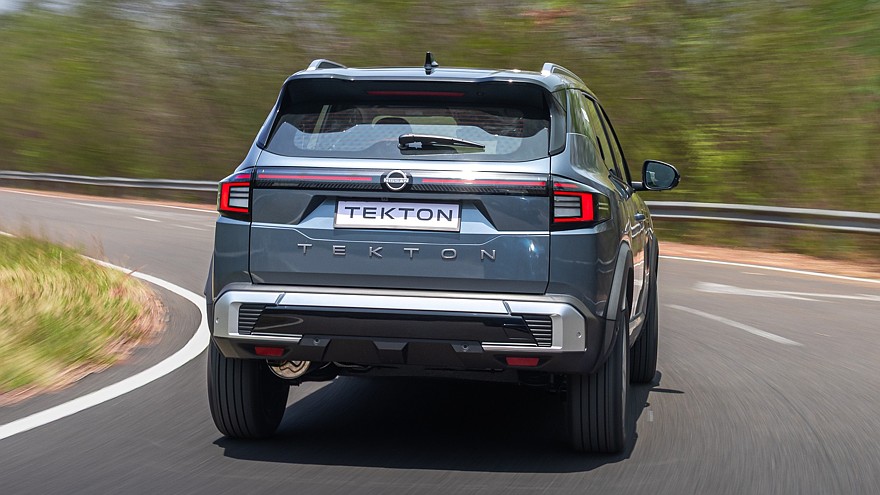
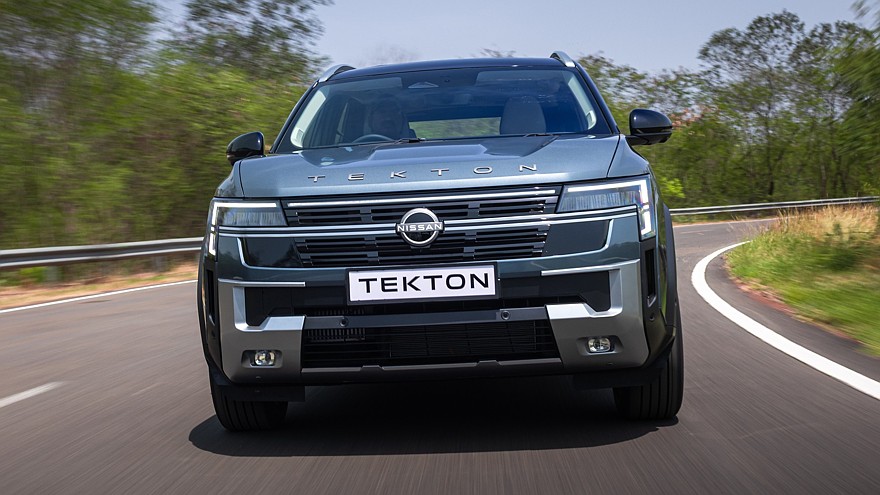
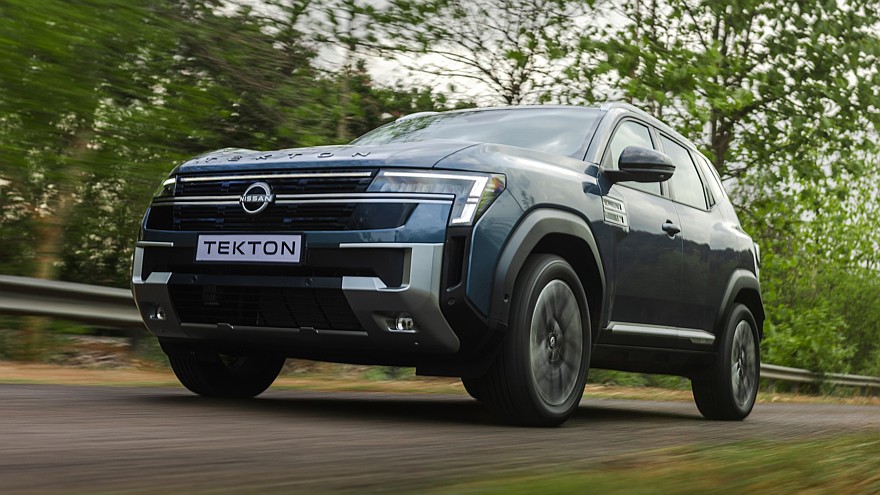
The Tekton is a slightly restyled Indian Renault Duster of the third generation, which hit the market in March this year. Let us recall that the Indian Renault Duster differs significantly in design from the same-named model of Turkish assembly and the Romanian Dacia Duster: oddly enough, the “Indian” turned out to be the most expensive-looking and with a cozier interior. All the advantages of the Indian Renault Duster went to the newly presented Nissan Tekton, as did, of course, the disadvantages — front-wheel drive only. Nissan’s press service claims that the Tekton’s appearance is inspired by the legendary Nissan Patrol SUV; the resemblance between the Tekton and Patrol can be seen, for example, in the styling of the headlights and taillights.
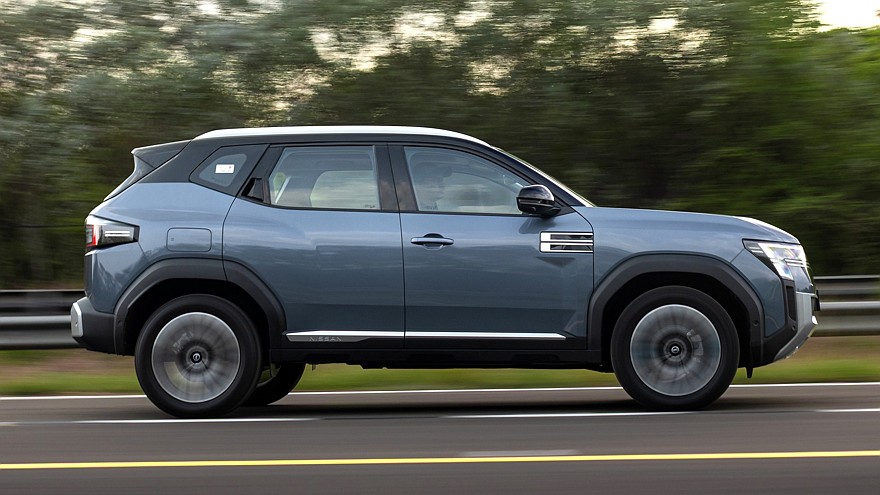
The overall length of the Nissan Tekton is 4349 mm, width — 1815 mm, height — 1674 mm, wheelbase — 2657 mm. Ground clearance unladen is 212 mm, approach angle is 26.9 degrees, departure angle is 34.7 degrees. The suspension is coil-spring: front — McPherson type, rear — semi-independent with a transverse torsion beam. The rear brakes in the “base” versions of the crossover are drum, while in the expensive ones they are disc.
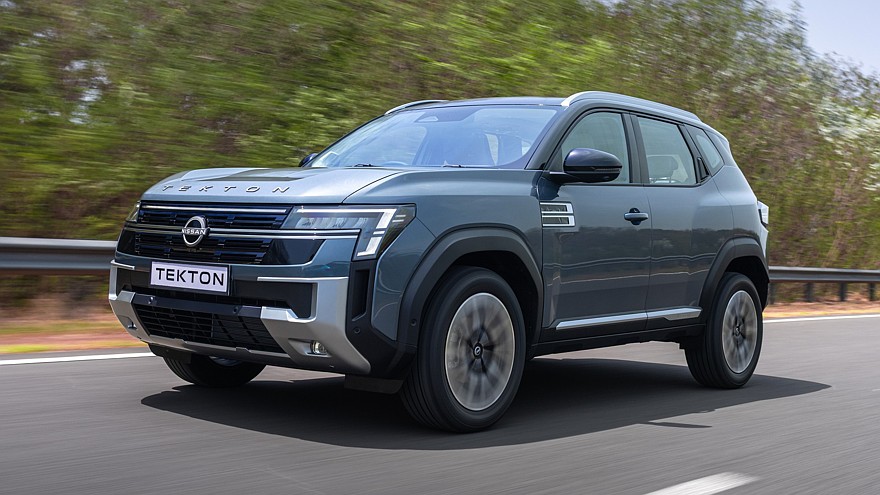
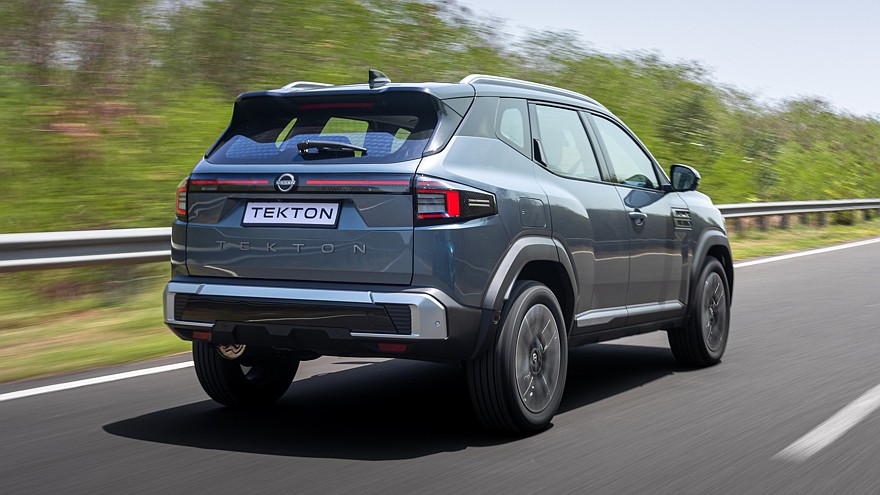
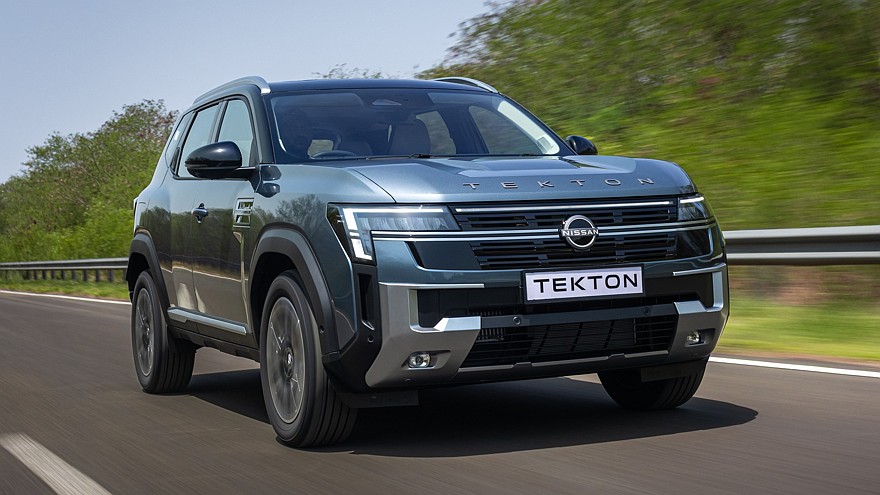
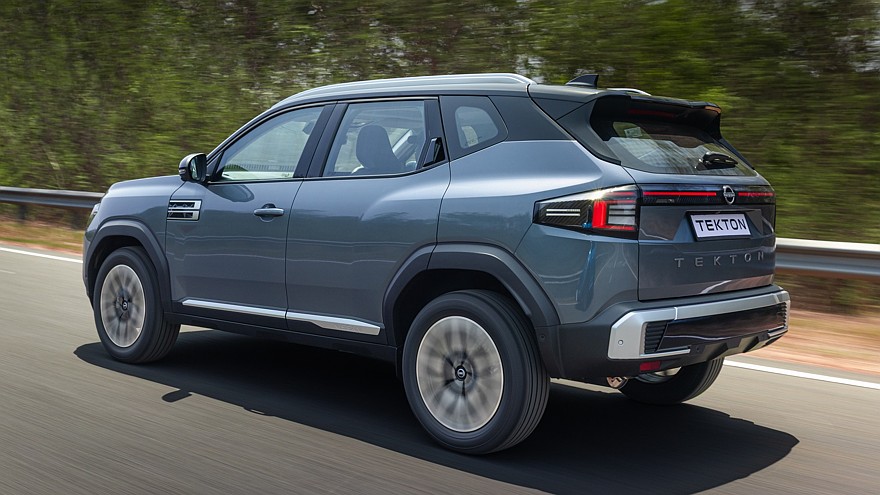
The powertrains for the Tekton are the same as those of the related Duster. The base 1.0-liter gasoline “turbo-three” (100 hp, 166 Nm) is offered only with a 6-speed manual, while the larger 1.3-liter 4-cylinder gasoline turbo engine (163 hp, 280 Nm) is available both with a 6-speed manual and a 6-speed dual-clutch automatic. The fuel tank capacity is 50 liters.
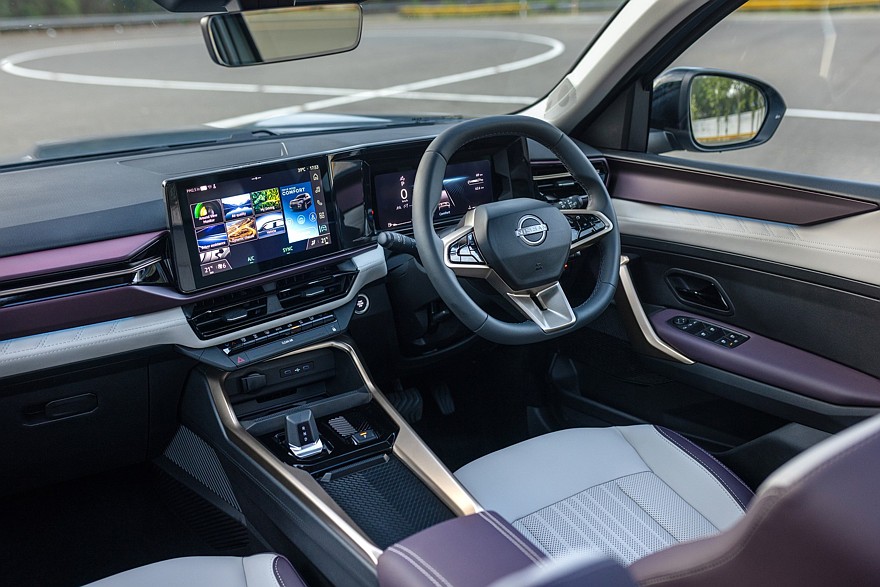
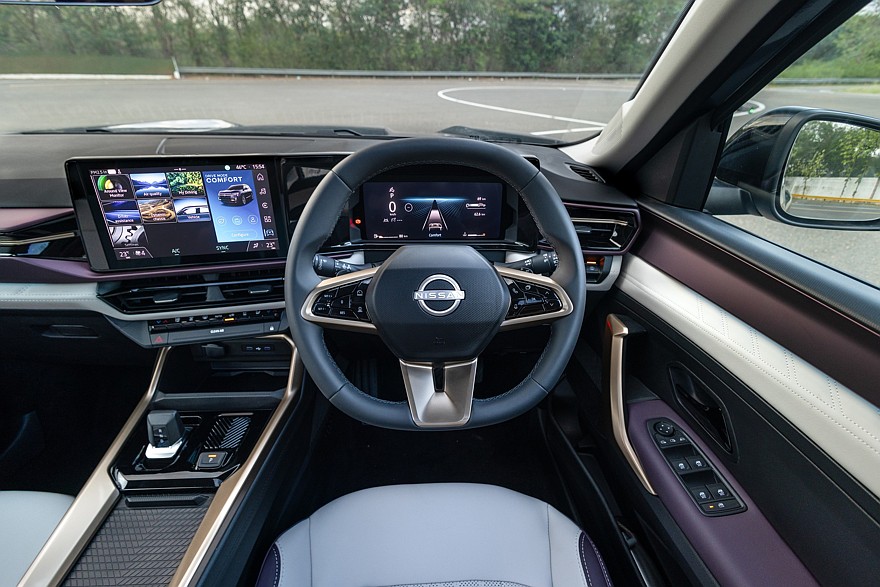
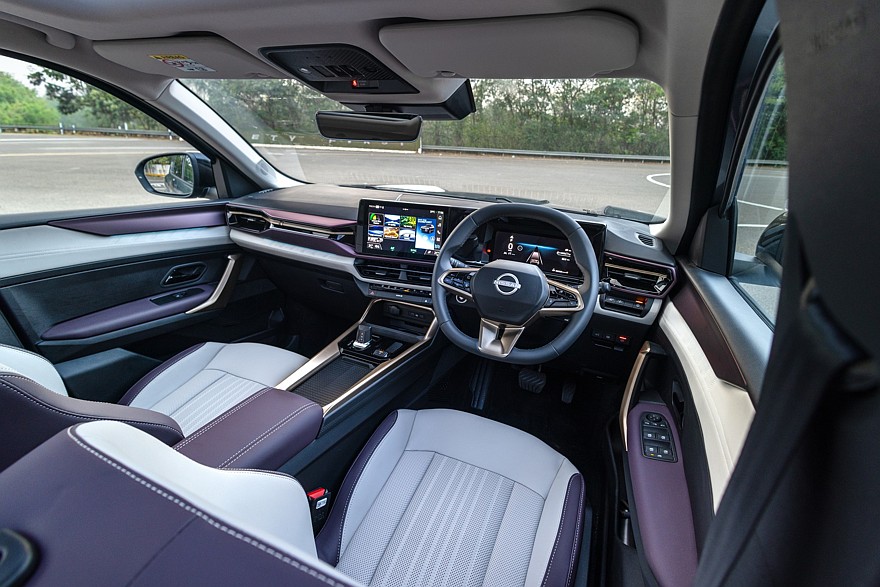
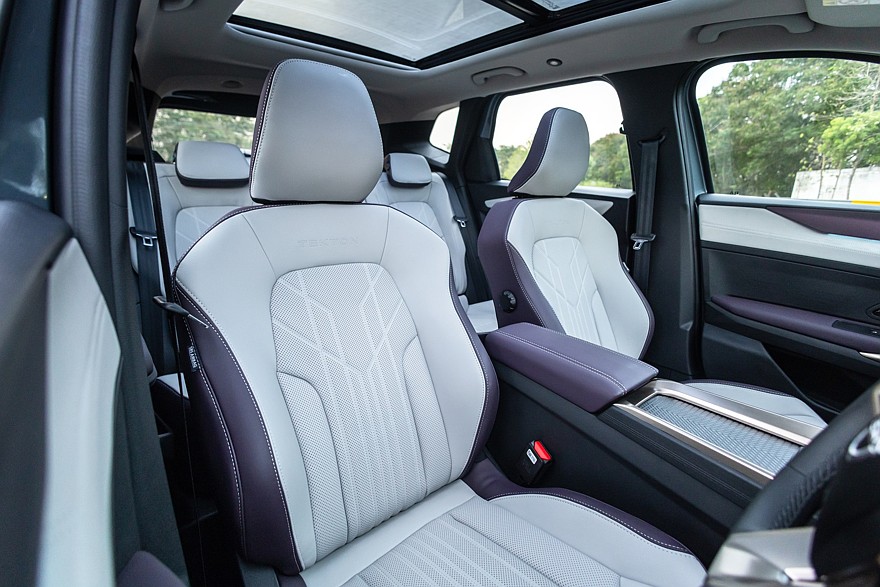
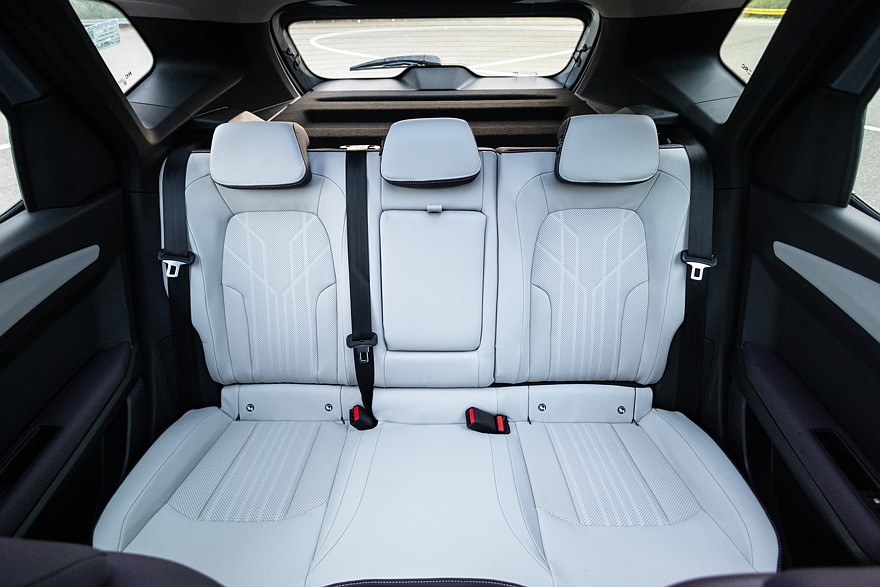
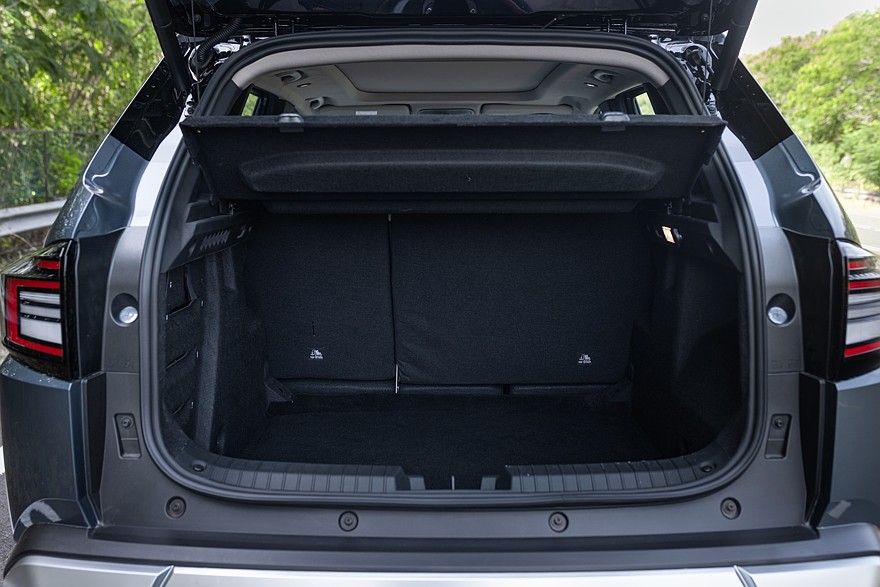
In its base trim, the Tekton has a good set of active and passive safety systems, LED lighting, 17-inch steel wheels, air conditioning, power windows for all doors, and an Arkamys audio system with four speakers. Rich versions offer amenities such as adaptive cruise control, dual-zone climate control, matrix headlights, a multimedia system with wireless smartphone connectivity, power-adjustable driver’s seat, panoramic glass roof, Arkamys Auditorium 3D audio system, and much more. The trunk volume is 518 liters, and with the rear seatbacks folded — 1789 liters.
In India, the Nissan Tekton costs from 1,049,000 to 1,859,000 rupees (from 825,000 to 1,500,000 rubles converted at the current exchange rate).
Let us add that the Nissan brand remains a minor player in the Indian market, but its sales are growing: over the first five months of this year, according to the BestSellingCarsBlog resource, 15,291 vehicles were sold (+46.9% compared to the same period last year). For comparison, let us say that the Renault brand sold 21,782 vehicles over the same period (+62.5%).