












Porsche CEO Confirms No All-Electric 911, Sticking with Gas and Hybrid Powertrains
On June 10 local time, Porsche CEO Michael Leiters explicitly stated at an event hosted by the magazine “Auto, Motor und Sport” that Porsche will not launch a fully electric version of the 911 sports car.
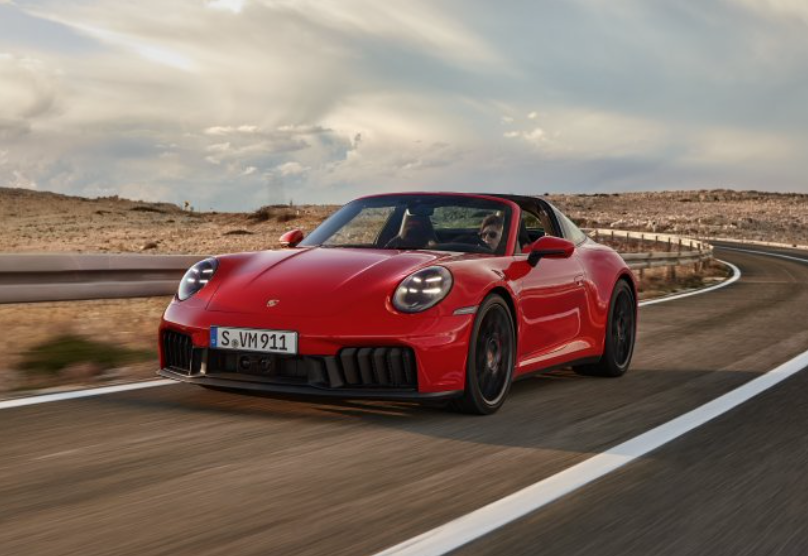
The future development of this model series will continue to focus on fuel and hybrid powertrain systems, achieving performance upgrades through internal combustion engines and hybrid technology. This decision marks a differentiated strategy for Porsche’s flagship sports car lineup amid the electrification process.
As an iconic model born in 1963, the 911’s unique rear-engine layout has been optimized over six decades, resulting in specific handling characteristics and vehicle balance. The weight increase brought by large-capacity power batteries would alter the physical foundation of this classic design architecture, akin to forcibly adding weights to a precision scale, making it difficult to maintain the original dynamic response characteristics.
Leiters pointed out that technological advancements for the 911 must rely on existing powertrain forms to preserve the continuity of the brand’s history and technical heritage.
Currently, the new-generation 911 on sale primarily features fuel engines, with some high-performance versions already incorporating hybrid systems such as electric exhaust gas turbochargers to enhance power response speed and fuel efficiency. Porsche’s pure electric lineup consists of the Taycan electric sports car, the Macan EV mid-size electric SUV, and the Cayenne Electric large electric SUV.
Management acknowledged that previous estimates of global demand for fully electric models were too high, and is now readjusting the powertrain mix, reshaping a balanced layout of fuel, hybrid, and electric models through cost reduction.