
























5 reasons to buy and not buy the Ford Focus III
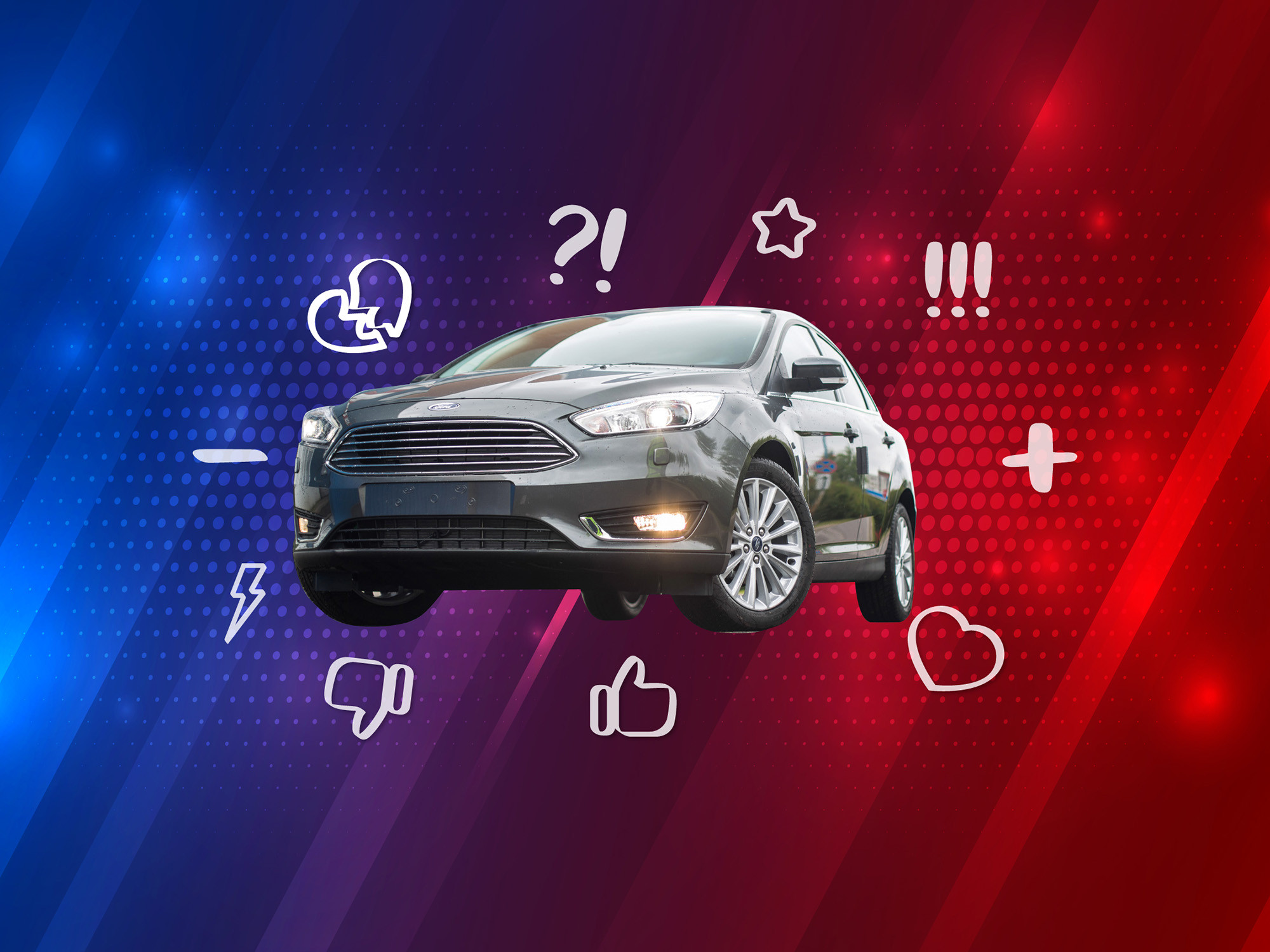
What is the “third” Focus? Jokers on internet forums of those years called it a credit-mobile and the favorite car of office plankton, but perhaps it is a people’s foreign car and a practical family vehicle? Let’s try to figure it out.
When developing the third-generation Focus, Ford returned to the concept of a global model, and although the premiere took place at the NAIAS auto show in Detroit (debuts of previous generations were held in Europe), production of the model started simultaneously in Europe and the USA – in March 2011. It took only three months to launch production of the new model at the Ford plant in Vsevolozhsk. Let us note that we are interested in cars after the 2014 restyling – by age, they are the ones that fall into the category of interest for purchase on the secondary market.
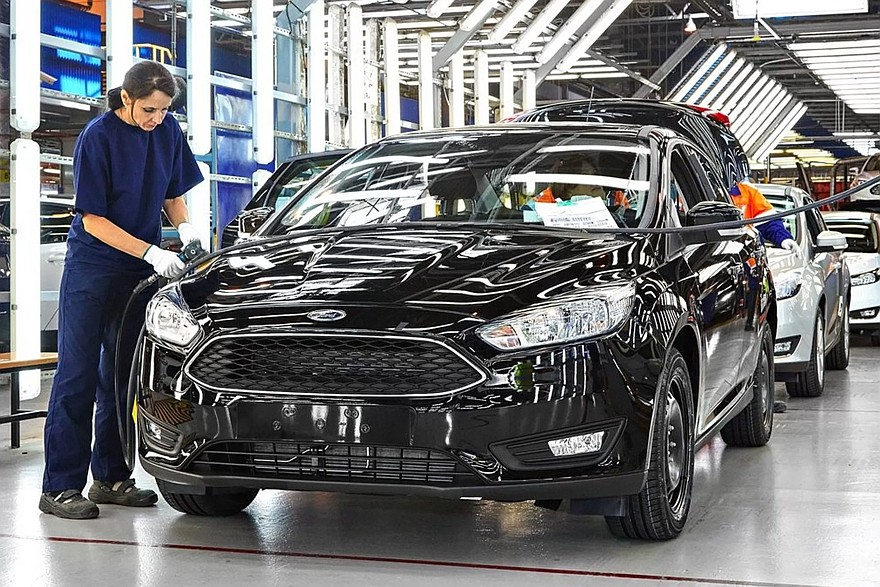
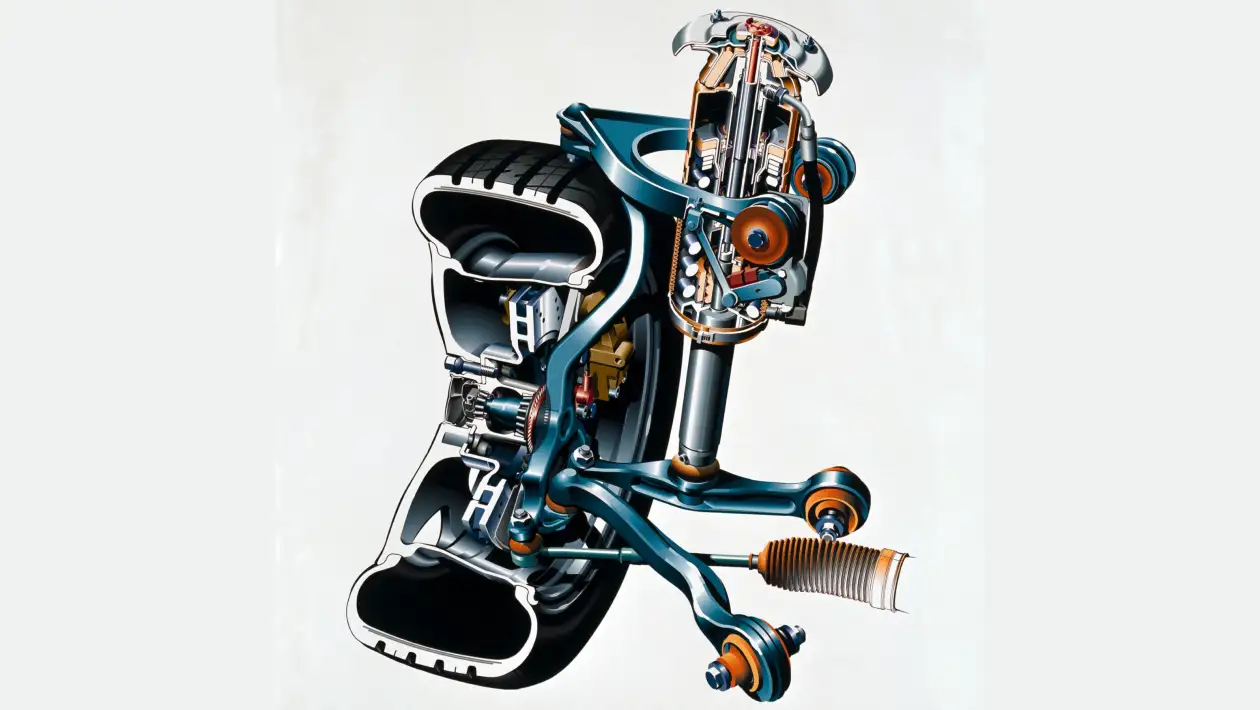
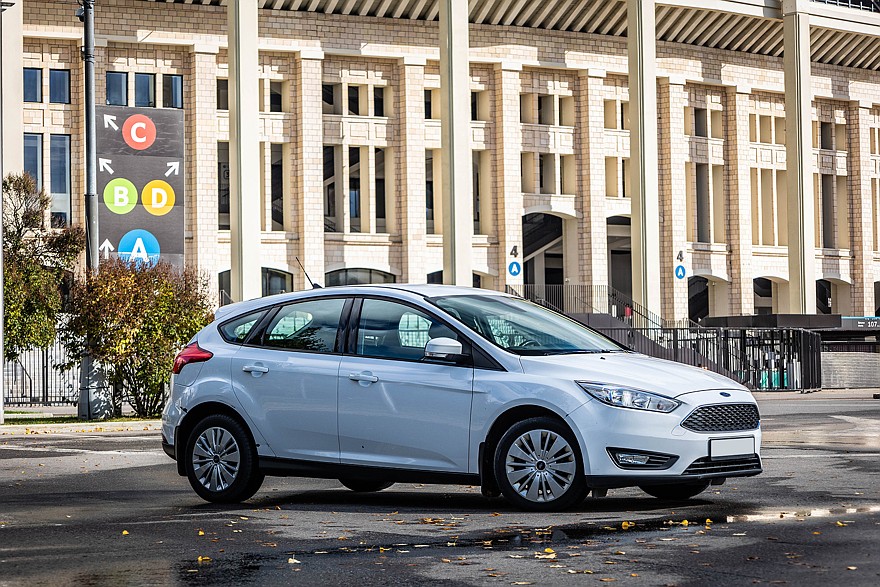
In Russia, Ford Focus III was sold with three body types: sedan, hatchback, and wagon. The suspension is fully independent, with MacPherson struts at the front and a multi-link setup at the rear. The range of powertrains consisted of three variants of the 1.6-liter naturally aspirated petrol engine from the Duratec family with three power options – 85, 105, and 125 horsepower. The 85-horsepower version was paired with a manual iB5 gearbox, while the 105- and 125-horsepower engines could work with the PowerShift robot (also known as Getrag 6DCT250).
Top versions were equipped with a 150-horsepower “turbo-four” EcoBoost with a displacement of 1.5 liters, as well as a 6-speed hydromechanical automatic 6F15. Much rarer are other combinations of engines and gearboxes – for example, the 150-horsepower EcoBoost with a 6-speed manual MMT6, or cars imported from Europe with diesel engines producing 95 or 120 hp paired with manual gearboxes or the PowerShift 6DCT450 robot.
Today, the third Focus in its restyled version is represented by a fairly large number of listings – only in the central region there are more than 700. It is noteworthy that the price range in advertisements is extremely wide: depending on the year of manufacture, trim level, mileage, and condition, sellers ask from 310 thousand to 2.7 million rubles for their cars.
By the way, at one time we devoted several articles to the problems that buyers of the third Focus may encounter – both in general and with a detailed analysis of troubles with individual systems, from body and electrics to engines, gearboxes, and suspension. This analysis is based on expert opinions and statistics of service visits. But what do owners of such cars write – what did they like, and what caused strong rejection? Let’s find out.
The times when the Ford Focus was a people’s foreign car are long gone. In the 2000s, the Focus was significantly cheaper than all imported classmates thanks to localization. Then Renault, Volkswagen, and after them the Koreans decided that it was not right to allow one brand to eat such a tasty pie alone.
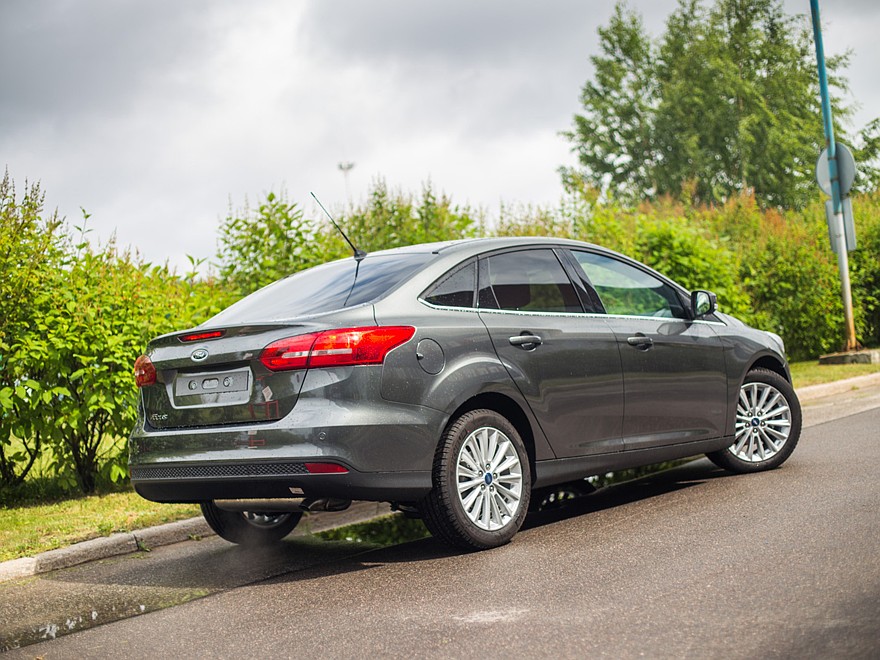
The cost also increased: by the time of the 2014 restyling, prices for the “third” Focus started from 700 thousand, and by 2019, when the company actually left the Russian market, the model already cost 1-1.4 million rubles. Naturally, sales collapsed multiple times: from 92.2 thousand in 2012 to 11.2 thousand cars in 2016. Add to this the fairly high costs of maintenance and repair.
Prices on the secondary market also cannot be called bargain: cars from 2017-2018 with relatively low mileage and in good trim levels are quite expensive. For sedans and wagons, they ask 1.75-2 million, and for hatchbacks – as much as 2.2-2.7 million rubles! Of course, the market is full of cheaper cars. Cars from 2015-2016 with naturally aspirated engines producing 85 and 105 hp, manual gearboxes, and mileages up to 500,000 km, and most often – having worked extensively in taxis, can be purchased for 300-320 thousand rubles. But such a purchase can hardly be called trouble-free.
Owners of used Focuses who left their reviews online agree with such statements: “I can note the high cost of spare parts after the company left the market,” “Overall a solid jalopy. True, it can no longer be called cheap,” “Perhaps its only plus is the appearance. The rest will become a headache for you.” Of course, the last statement should not be taken as the ultimate truth: the model has plenty of quite objective advantages, and if you find a car with an honest mileage of 20-40 thousand kilometers, you can quite count on several years of a quiet life.
Nevertheless, many review authors confidently claim that the Ford Focus III is the best, and in many parameters at once. Some, for some reason, name models that actually belong to the B and B+ segment as the Focus’s main competitors: “I believed that the Ford Focus is the most stylish among its competitors (Solaris, Polo). I drove it for several years and remained of the same opinion,” “I switched to it from a Kia Rio. I haven’t regretted it for a minute.”
But many compare the model with real classmates that have already gained popularity: “The car met my expectations, excellent transport in its class, the look is just fire, it attracts attention in traffic.” At the same time, avid “Focus enthusiasts” note that the restyling really did good: “Overall, the restyling turned out successful, they slightly refreshed the appearance, the rear part became more interesting,” “I really like the appearance, which even five years after purchase looks modern and is not inferior to many latest new models.”
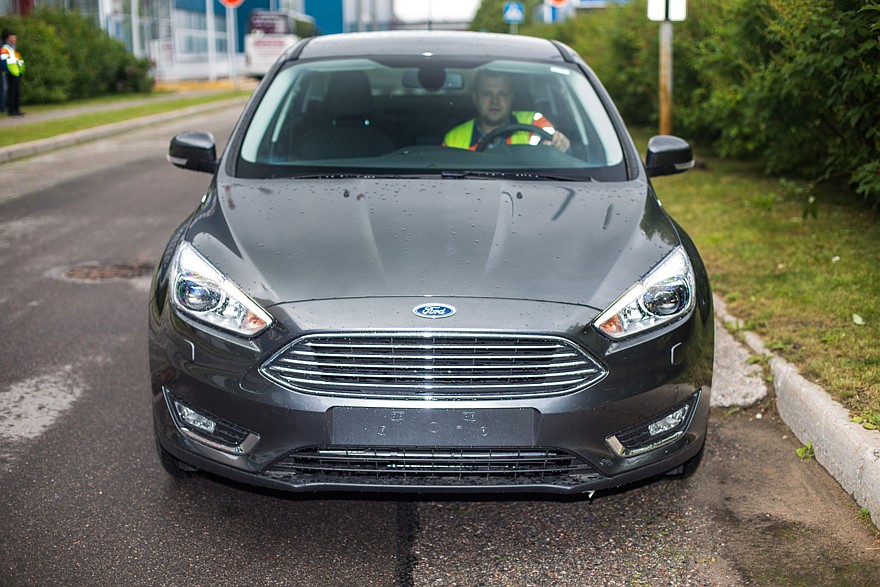
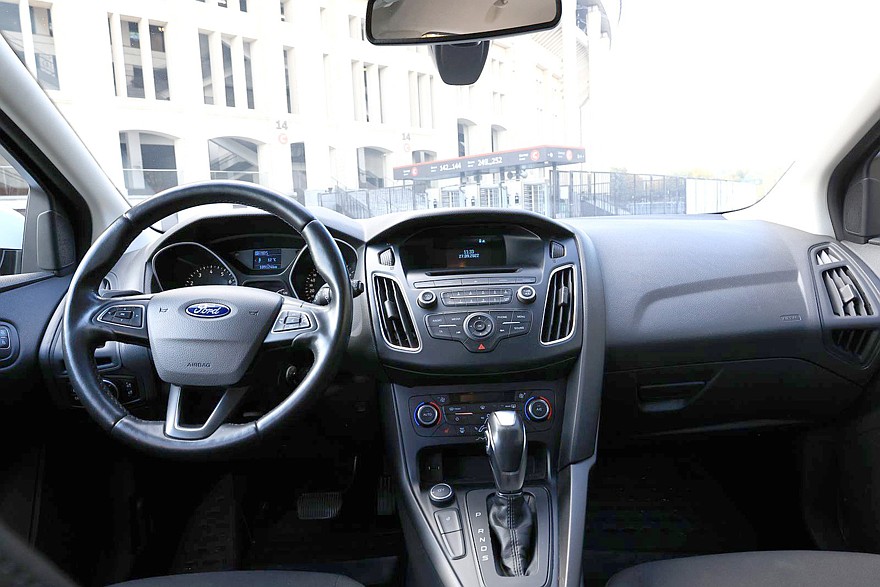
Some note the interior: “A car created as if especially for me. The design, especially the interior, is the best. It is very different from all cars in this price segment,” “Based on the test drive results, the Focus beat the Ceed dry, in dynamics, handling, and sound insulation, and even in the interior.” We will return to the discussion of dynamics and handling, but as for the cabin, fans also note excellent option content. True, this mainly applies to top trim levels: “I took the Titanium trim. Handling, dynamics, packed with electronics. It wins over competitors in its price range by a wide margin.”
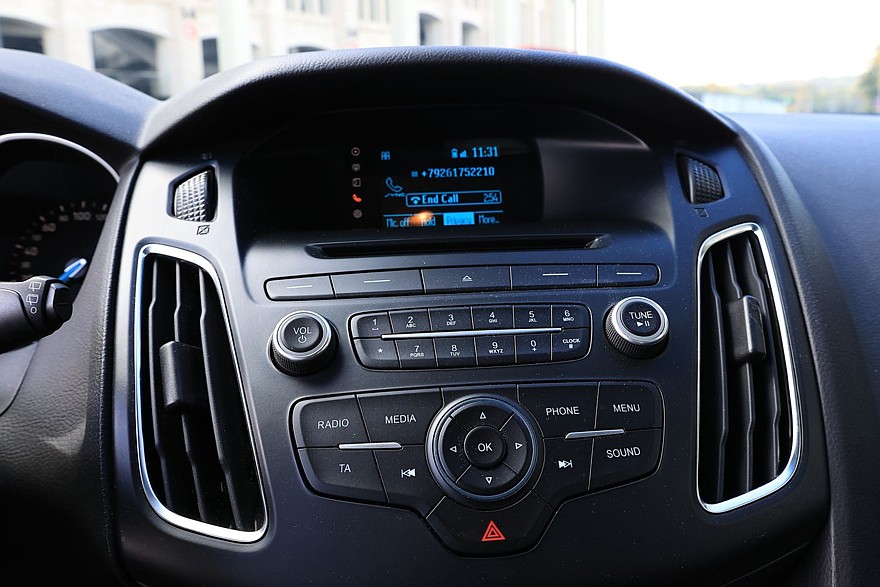
Perhaps against the background of modern Chinese crossovers, the equipment of the Ford Focus, even from 2018-2019, may seem modest, as does the proprietary Ford Sync 3 multimedia system. Nevertheless, owners speak of the model’s equipment with great respect: “Dual-zone climate, light and rain sensors, heated steering wheel, front seats, mirrors, and windshield, auto-dimming mirror, four automatic power windows (hello to the ‘Koreans’ with one automatic window even in the top K5),” “I really liked the trim: heating for everything, interior lighting in different colors, lumbar support. The multimedia is normal. Quite convenient, plays loudly and cleanly. Apple CarPlay / Android Auto is available.”
When discussing the lighting of the “third” Focus, opinions were divided. Owners of top trims with swivel xenon say: “Adaptive smart headlights. There was always enough light, they adjust themselves. There are washers, they work well in auto mode,” “In the evening on the highway, everything is very clearly visible. When turning the steering wheel, side lighting turns on,” “Headlights with factory swivel xenon are really a thing, the low beam shines quite decently and illuminates the turn.”
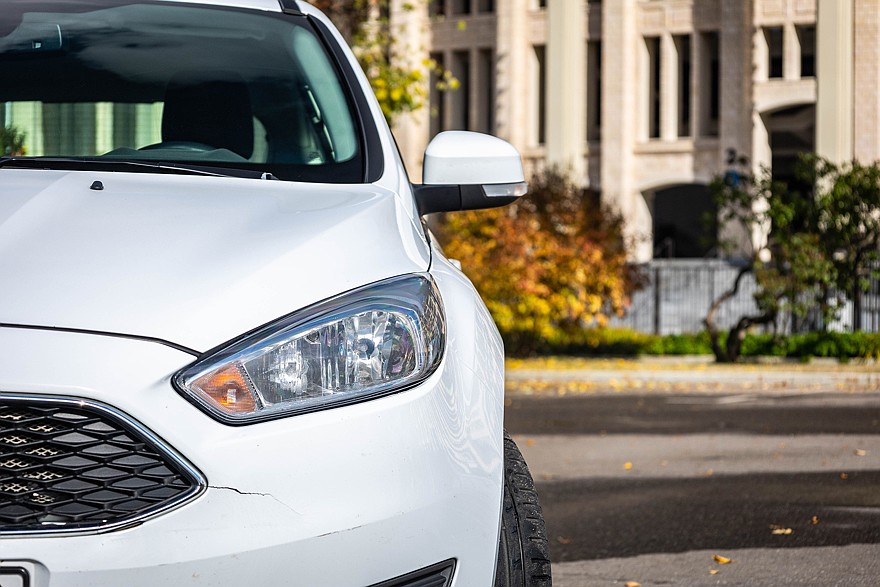
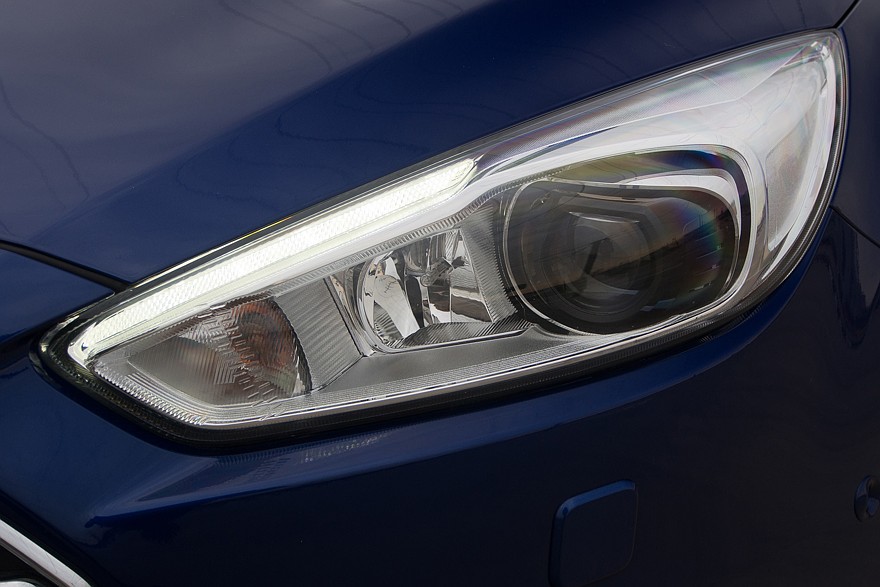
In cheaper trims, the situation is different. “What always irritated me, and what I never got used to – the light with regular halogens! How inferior it is, especially after xenon!”, “The headlights are halogen, but they shine quite brightly,” “By default, the optics are halogen, I would like LED.” But if here the situation can really be fixed, then nothing can be done about the ground clearance. “The ground clearance is a bit low. You can’t even approach every curb without caution,” “For the dacha, of course, it’s a bit low, in ruts it catches with the belly when fully loaded with passengers.” However, there are those who believe that this is enough for a city car: “During winter operation, no problems arose, although there was a lot of snow this year,” “You can drive on a dirt road if you know the limits of your car.”
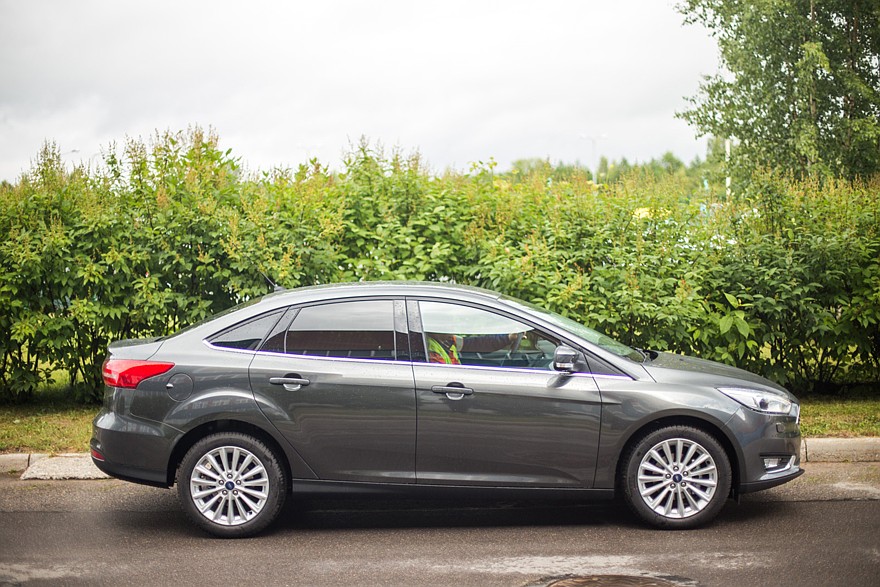
And finally, complaints about weak paintwork, which have become commonplace for almost all modern cars: “For what it’s a real minus – the paintwork. In St. Petersburg, this is a big problem. On the rear arches and trunk lid, there are small areas with corrosion, and that’s a shame, although it doesn’t affect speed,” “Of course, chips above the arches are a problem on all Focuses. A big minus,” “There were no particular problems with the body, except that at the joint of the rear bumper, pieces of paint about 2×2 centimeters fell off.”
It is worth noting that in the vast majority of reviews, authors emphasize the comfort of the restyled Ford Focus III. “The Ford interior is very comfortable, the trim materials are good, the plastic on the dashboard is soft, the seats are comfortable, the back doesn’t get tired,” “Inside it’s very comfortable and convenient, controls on the steering wheel, everything heats up,” “I can confidently say that driving over short and long distances is very comfortable,” “The car is ideal for travel and long roads.”
Owners also note excellent directional stability: “It holds the road wonderfully on the highway,” “On the highway, it behaves excellently, and the visibility is good.” The suspension’s performance earned positive ratings: “Indestructible and soft. It easily goes over speed bumps,” “The suspension is elastic, moderately soft,” “It confidently holds the road even on uneven surfaces.” But regarding acoustic comfort, there are certain discrepancies. Some believe everything is fine: “Sound insulation is normal, at 120 km/h you can talk without raising your voice,” others complain: “At high speeds, noise from tires and wind is audible in the cabin, which can be annoying.”
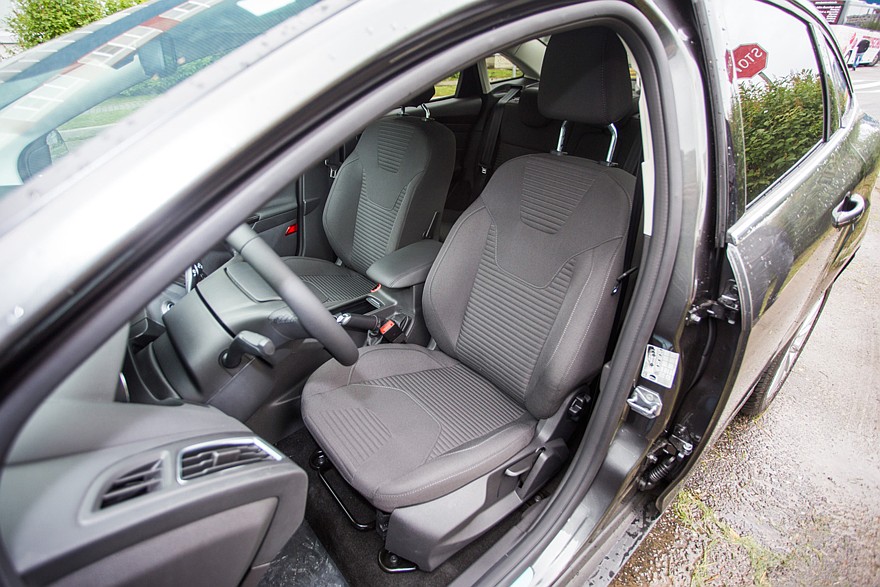
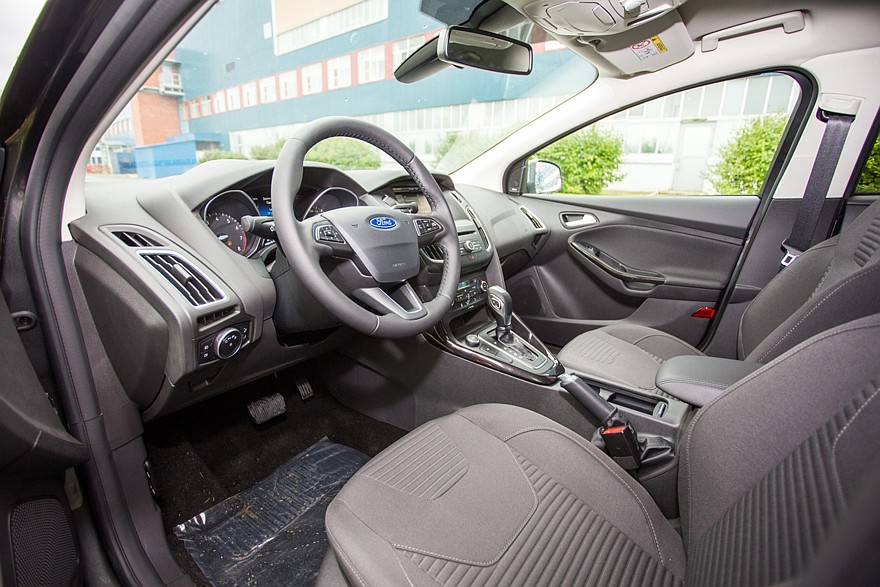
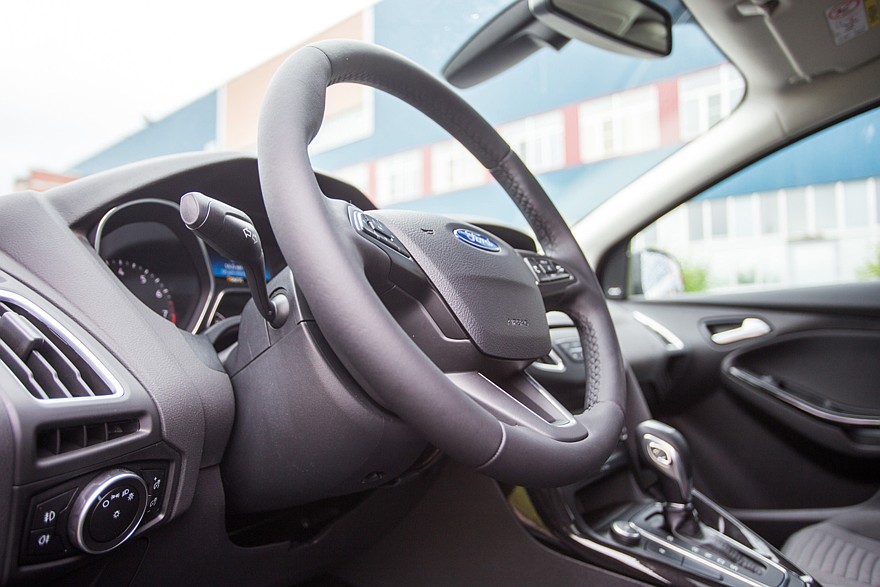
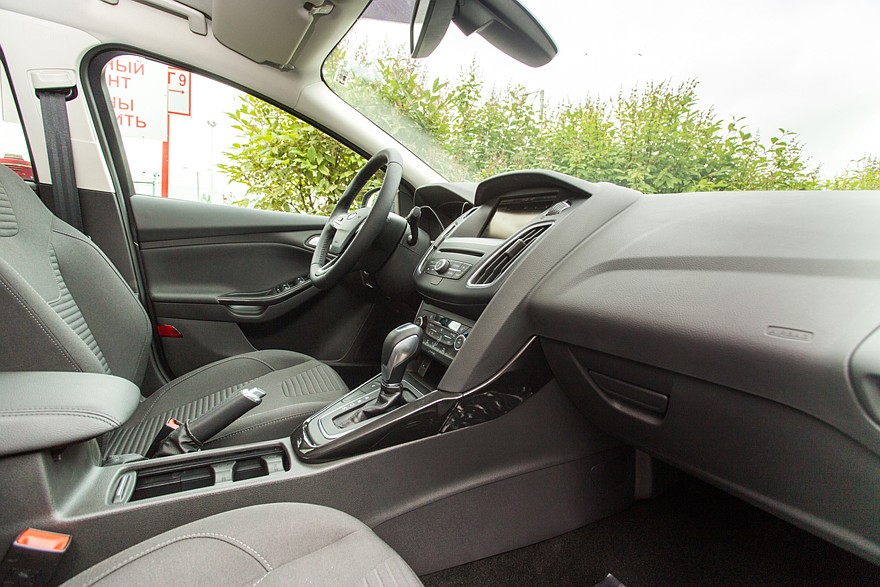
In fact, many review authors list comfort among the model’s undoubted advantages. But it is worth considering the existence of an alternative opinion: “The car is very strange. It’s some kind of hybrid of a cheap econobox with a comfortable sedan. It consists entirely of compromises,” “The glove box is tiny, books barely fit. The pockets are narrow, the elastic in the armrest is falling off, the knee constantly turns on the light,” “It’s a bit uncomfortable here, a bit stiff there. This Ford hasn’t gone very far from our cars like the Granta,” “Switching from a Lada to a Ford, I think, will be great, but switching from any decent imported car will bring a lot of negative emotions.”
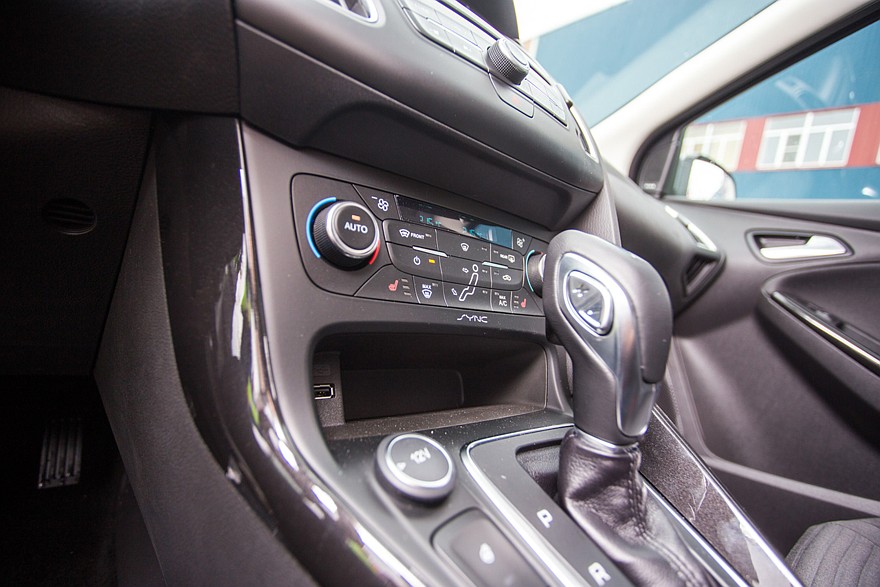
It is worth admitting that Russian motorists still treat preselective robotic gearboxes with a fair amount of suspicion. The Powershift transmission was no exception: “Take the automatic, it’s better not to approach the robot,” “When buying, we specifically chose the automatic, as there are many complaints about the robot.” And what, exactly, are these complaints about? A number of reviews mention incorrect operation in certain modes – for example, when the automatic system cannot understand which gear to engage, causing the car to jerk.
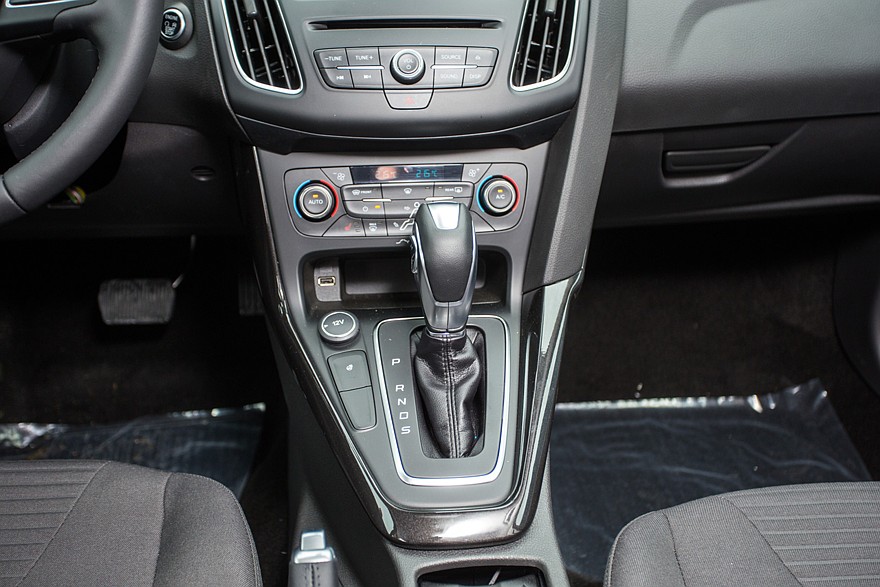
“The car has enough power, but the robot ruins everything. Especially in the city, in traffic jams. It often hesitates, can kick during acceleration,” “The robot hesitates, especially when you press the pedal to the floor,” “Everything in this car is excellent except the robotic gearbox,” “The gearbox has character, it jerks in traffic jams.” There are also opinions like: “After 2015, the gearbox was fixed. Very smooth shifts, no jolts,” “On the highway, it works perfectly, you barely notice the shifts,” “In the restyled version, the robot doesn’t hesitate at all,” “The main thing is to get used to a smooth and calm driving style. As soon as you start driving erratically, the robot immediately starts jerking and pushing.”
Another set of complaints concerns reliability. The unit itself is quite repairable; the weak points are the clutch and the control module. “I replaced the clutch under warranty, new software for the gearbox, and the problem went away,” “Problems every 30,000 km are guaranteed. The repair cost even at non-official shops was 140,000 rubles.” In general, as one owner wrote in his review, “Only the lazy haven’t cursed the PowerShift robot.”
However, many owners in their reviews report no problems with the gearbox during the entire period of operation: “A little over six years of ownership, 108 thousand mileage. The robot caused no problems at all, sold it with the original clutch and no complaints”; “Mileage 140,000, original clutch, nothing was done at all”; “I’ve been driving the robot for seven years now, no complaints.” But still, when buying a Focus III with a robot on the secondary market, it is worth keeping in mind that problems with gearbox repair may fall on you.
What Focus owners praise quite unanimously is the dynamics: “Very peppy! It’s impossible to crawl in it, it wants to be cheeky,” “Positive impressions of the dynamics. It accelerates well and holds the road,” “Excellent acceleration from a standstill, you leave the majority at the traffic light behind,” “The car is just like a bullet, nimble and comfortable,” and so on in that vein.
Of course, the driving impressions of versions with different engines and gearboxes differ somewhat: “105 hp for a car with a curb weight of 1.2 tons is very weak. To accelerate at all, you have to constantly rev the engine.” Although some may be quite satisfied with this version: “I have 105 hp on the robot. I experience no problems.” The golden mean is the 1.6-liter naturally aspirated engine with 125 hp: “I consider it the most optimal option for the Focus. It drives noticeably more pleasantly than 105 hp or especially 85 hp. At the same time, it’s much simpler to maintain and less finicky than the 150-horsepower one.”
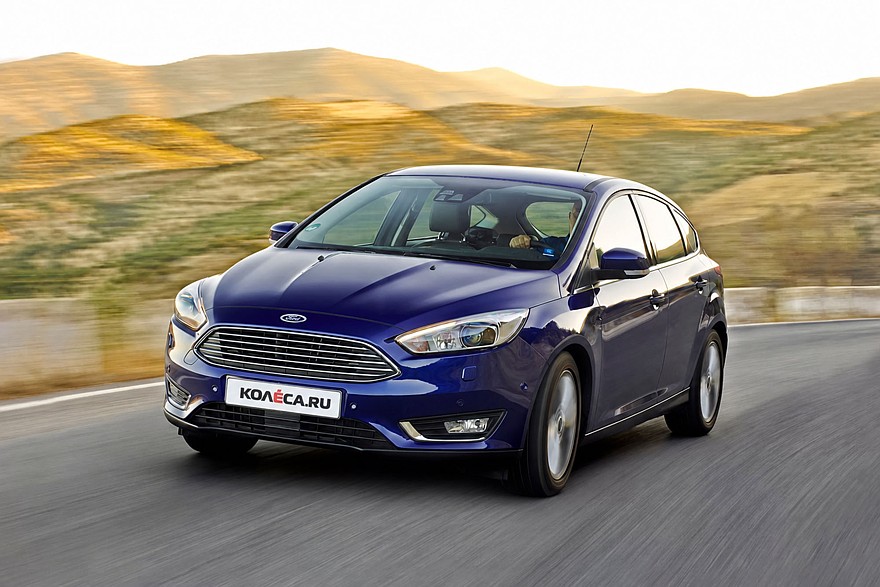
Apparently, this engine already allows you to feel quite confident, albeit with some reservations: “It goes fast, but not as fast as I would like,” “Moderately sharp, although the robot sometimes hesitates, especially when you press the pedal to the floor.” But with a manual gearbox, the driver can appreciate the torque of this engine: “The very short gears are noticeable, which was unusual at first. That is, in the city, it turns out you can already drive in fifth gear.”
But the leader is the top 150-horsepower EcoBoost: “Excellent dynamics! No hesitations, thoughtfulness, or sluggishness, any overtaking is easy and without worry,” “All overtakes last 3-4 seconds. Trucks, cars, triple, double overtakes – no problem, the car pulls like a tank.” In general, in terms of dynamics, everything is fine. You just need to remember that winter happens in Russia, and at this time of year, you should be more careful. Although the third Focus cannot be called completely helpless on snowy roads: “In winter, the car never let me down, it confidently gets out of small snowdrifts. On slush, it behaves predictably.”
What is really pleasant is that the dynamics of the Focus III are combined with fuel efficiency. There are also owners who consider this car too voracious: “The fuel consumption turned out to be not very small, on the highway it was about seven liters, in the city – 11.5 on average, I expected less”; “I’ll also note a minus – the consumption. In Moscow, it gives me 10 liters, it could have been less”; “Voraciousness is a significant drawback.” But those who list fuel efficiency among the advantages in their reviews are an order of magnitude more! “Fuel consumption is very pleasant, 6-7 liters on the highway and 7-8 liters in the city”; “With the 1.6 engine, good fuel efficiency – about 6-7 liters in the combined cycle”; “Low fuel consumption, 8-9 liters in the city in traffic jams, I think that’s chic.” That’s how it is.
When Ford introduced the turbocharged EcoBoost engine to the market in 2014, it placed huge hopes on it – after all, it was supposed to allow the company to at least not fall behind Japanese and German companies. Alas, everything has to be paid for, and for technical sophistication and power combined with efficiency, a whole bouquet of problems had to be paid.
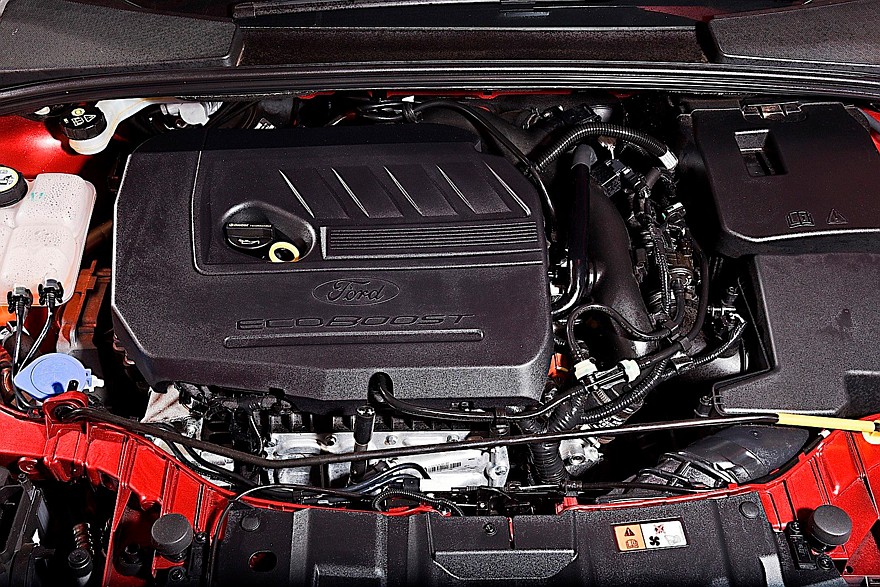
“The EcoBoost turbo engine is not about reliability. It is not repairable. Various repair options are offered, but there is no guarantee that after a couple of tens of thousands of km it won’t throw up surprises again”; “It’s also non-repairable. They seem to have learned how to repair it, but it’s unclear how, since this engine has very thin cylinder block walls”; “The turbo engine is disposable.” And this reputation has quite real grounds. “After buying a 2018 FF3 with 140 thousand km mileage, crankcase gases began to leak into the cooling system. The problem is in the bridge between the 2nd and 3rd cylinders in the block. As the master explained, this is a problem of all EcoBoosts.”
More fortunate owners may say that during operation the engine worked quite normally, or with minor and quite solvable problems: “Everyone around was twirling their finger at their temple, but I bought an EcoBoost and over all these years have experienced no problems with it.” And everyone unanimously reminds of the need for careful maintenance, timely oil changes, and the use of quality fuel: “EcoBoosts run fine if you take care of the car and don’t pour junk into it,” “The EcoBoost is an excellent engine, torquey at low revs and elastic at high speeds. The engine loves good lubrication, it’s important to watch the coolant, it doesn’t like overheating, the consequences are sad. These aren’t cast-iron blocks like before, it’s thin aluminum.”
In terms of handling, the Ford Focus III truly proved worthy of its predecessors. Review authors speak about this surprisingly unanimously, and both the handling and the suspension’s performance on uneven surfaces earned high praise: “Dynamics and control are just out of this world. The best among all foreign cars I’ve driven, except for the BMW X6”; “The Ford Focus behaves beautifully on the road, I was surprised at how easy it is to drive. The car seems to merge with the road, every corner is taken with ease”; “On the highway at high speed, it goes magnificently.”
“The suspension is something for which you can sing praises to the Focus almost endlessly. No car of this class handles or holds the road the same way,” “On the road, it showed itself confidently, responds clearly to the steering wheel, and the steering wheel itself has a pleasant weight.” And this is only a small fraction of the enthusiastic words I found. Add to this the absence of serious complaints about suspension reliability. Some mentions of its repair do occur: “At 120 thousand km, the rear suspension was replaced,” “After nine years, I replaced the entire suspension.” But those who consider the suspension “very reliable” and “indestructible” are still significantly more numerous.
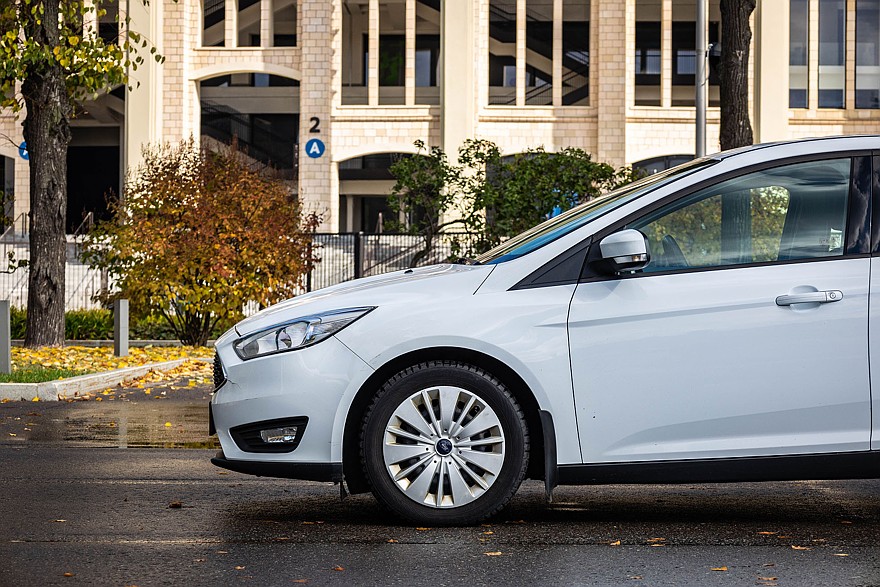
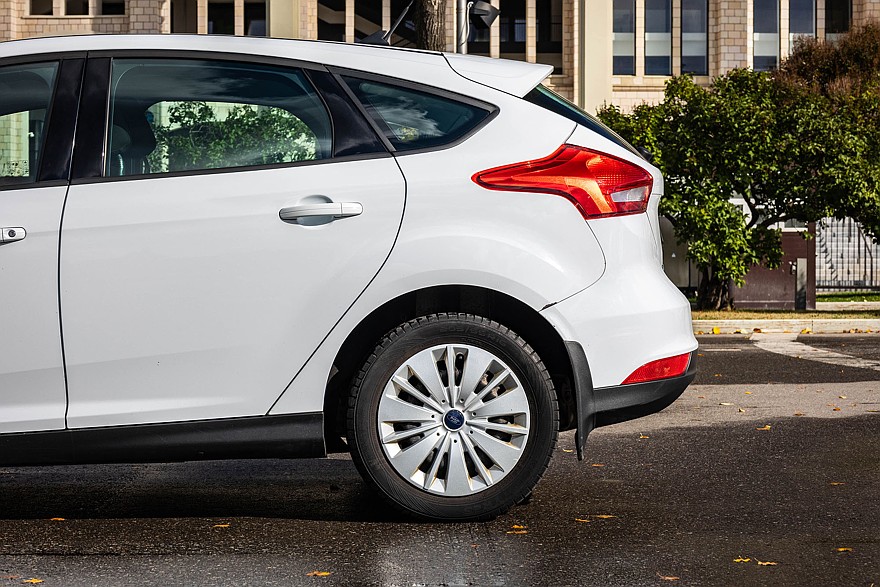
Well, the main drawback of the Ford Focus III, according to review authors, is the insufficiently spacious cabin, primarily in the second row. And there are quite a few questions about the trunk as well. “The disadvantages include the cramped cabin, I can no longer sit comfortably behind myself”; “The cabin is cramped, there is very little legroom for rear passengers”; “If you plan to constantly drive with someone in the back – I don’t recommend it.” However, not everyone agrees that everything is fine in the front row: “The cabin is very cramped. I constantly caught the light switch with my knee,” “The Focus is cramped – that’s a fact. But I like it – you sit behind the wheel like in a cockpit.”
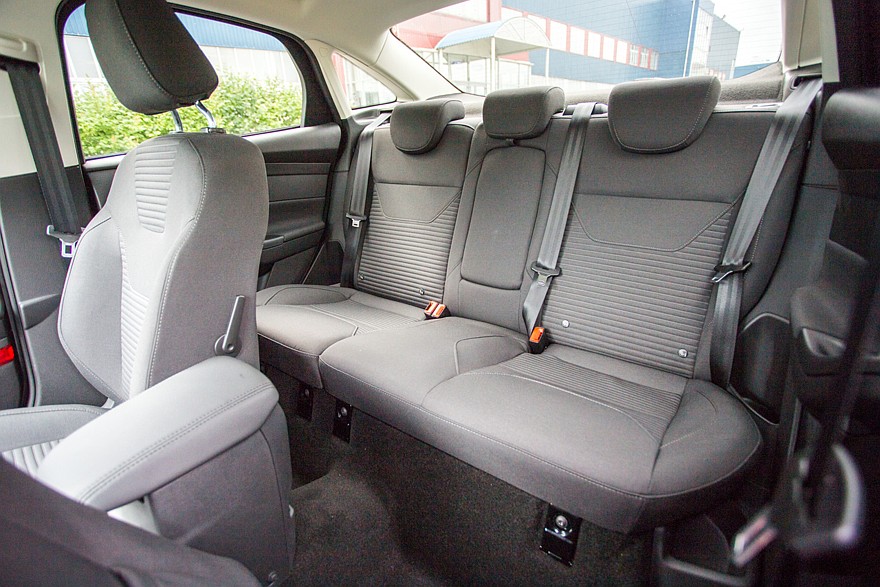
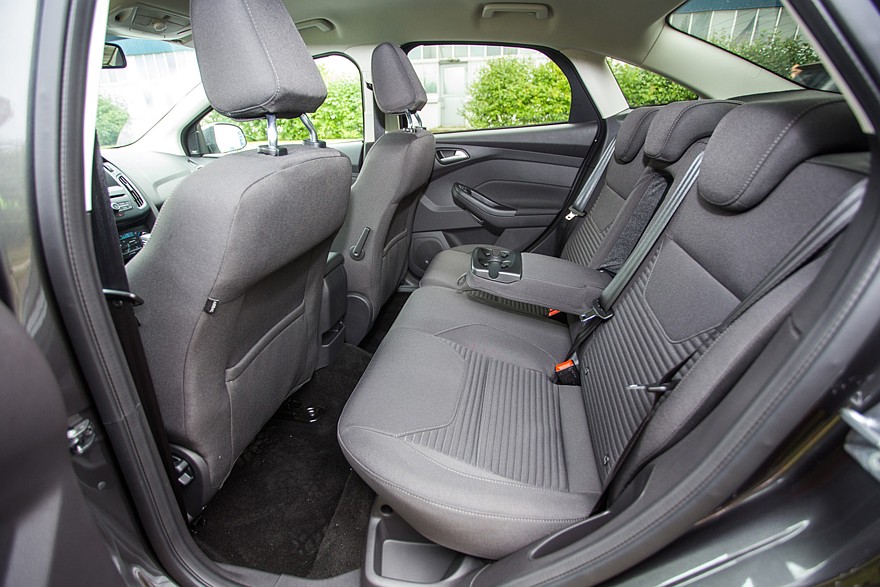
And in the end, the reason for selling the car sometimes even becomes an addition to the family: “I would have continued to be a hundred percent satisfied with the car, but over these years I managed to give birth to a child, get divorced, marry a second time, and give birth to another child. With a stroller – the trunk is a minus, two child seats in the back – the rear row is a minus.” Disagreements are also noted in assessing the trunk’s capacity: “Two large suitcases easily fit, and you can put something else in”; “With the seats folded down, I even transported a one-and-a-half-meter stepladder”; “In the sedan, you can even sleep if you fold down the rear row and remove everything from the trunk.”
There are also plenty of those who are categorically dissatisfied with the trunk: “One (one!!!) wheel fits in the trunk when changing tires”; “The narrow opening doesn’t allow you to stuff anything in there”; “The trunk lid hinges prevent using the full volume”; “The opening of both the trunk lid itself and the passage into the cabin with the rear seats folded is catastrophically small,” “Any incorrectly placed bag won’t allow you to stuff the rest into the trunk – despite there being plenty of free space.”
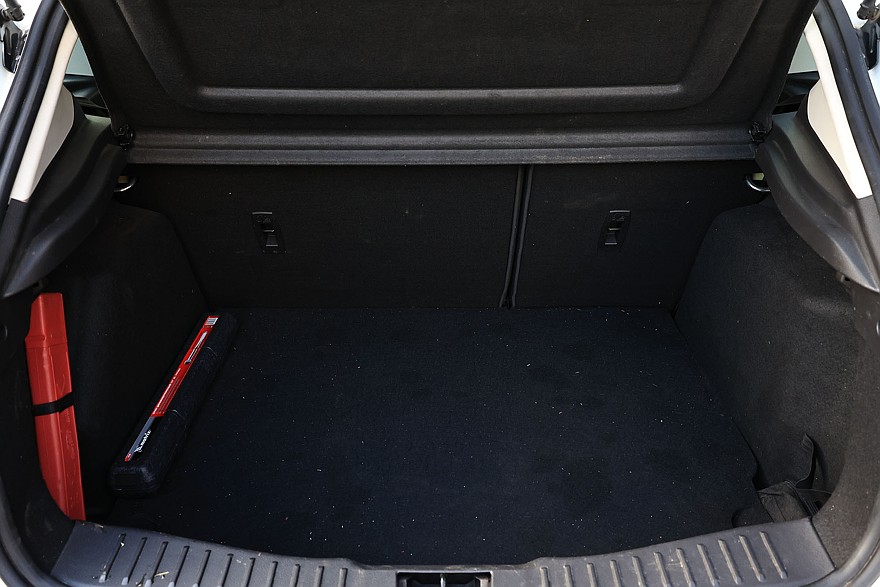
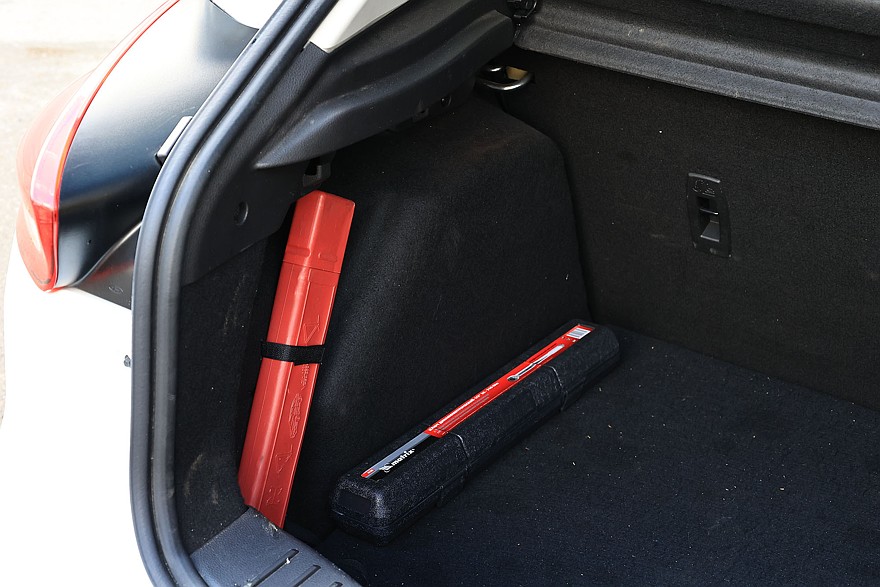
In this regard, the hatchback looks more attractive, although formally its trunk is even smaller: “It’s enough for the city, but for a long trip with luggage for more than two people – it could be a problem”; “Unlike many cars, the hatch has a flat floor with the seats folded down, I carried a refrigerator there,” “Personally, the trunk volume was enough for me, and if you remove the shelf, a set of wheels fits in without problems.” And owners unequivocally positively assess the capacity of the wagon: “It’s just a hold, I even slept several times with the seat backs folded down,” “The trunk is large and spacious, you can make a two-person bed.”
Cars come in different kinds. Some resemble hardworking donkeys: modest, unremarkable, but patiently doing their job day after day. As a rule, there’s nothing special to tell about them: you arrive, sit down, start, drive from point A to point B, get out, forget. And there are others, with bright advantages and equally evident drawbacks. It is precisely such cars that make you want to get behind the wheel and rush toward the wind. The third Ford Focus belongs to them, albeit with some reservations. In any case, not all versions evoke bright emotions, but only those equipped with the senior engines in the lineup.
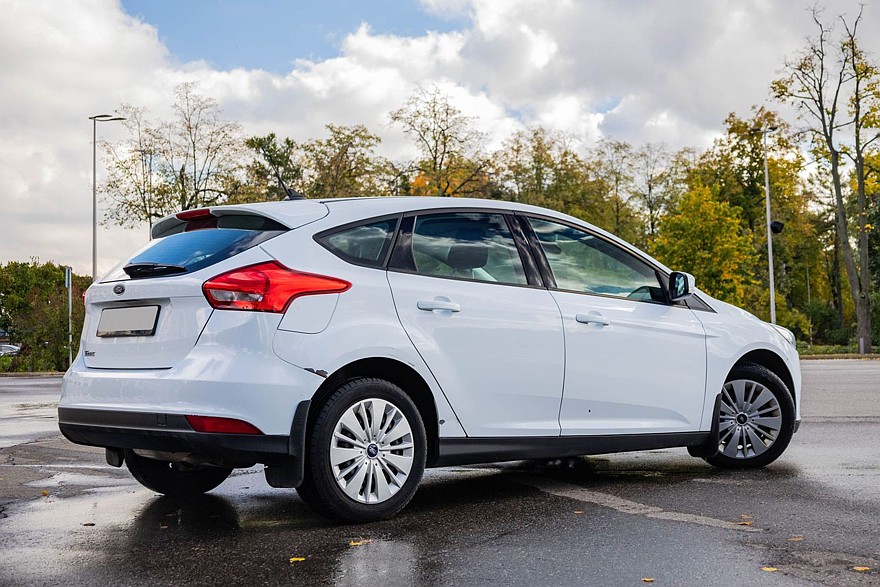
Owners write: “The car is dynamic, it gives emotions”; “Periodically there are moments when I fondly remember the feelings this car evoked”; “It’s just a fairy tale. You constantly look for a reason to go somewhere in it. You just want to drive and drive.” And there’s nothing to add here, because the main components of this very emotionality were the dynamics, handling, and excellent suspension performance, which we have already discussed. You can also note that the Focus III quite fits into the category of “badass cars.” At least in reviews, they often write exactly that: “By character, the Focus suits young guys who want to race.”