





































The smart #1 crossover has undergone modernization: 800 volts and fresher electronics
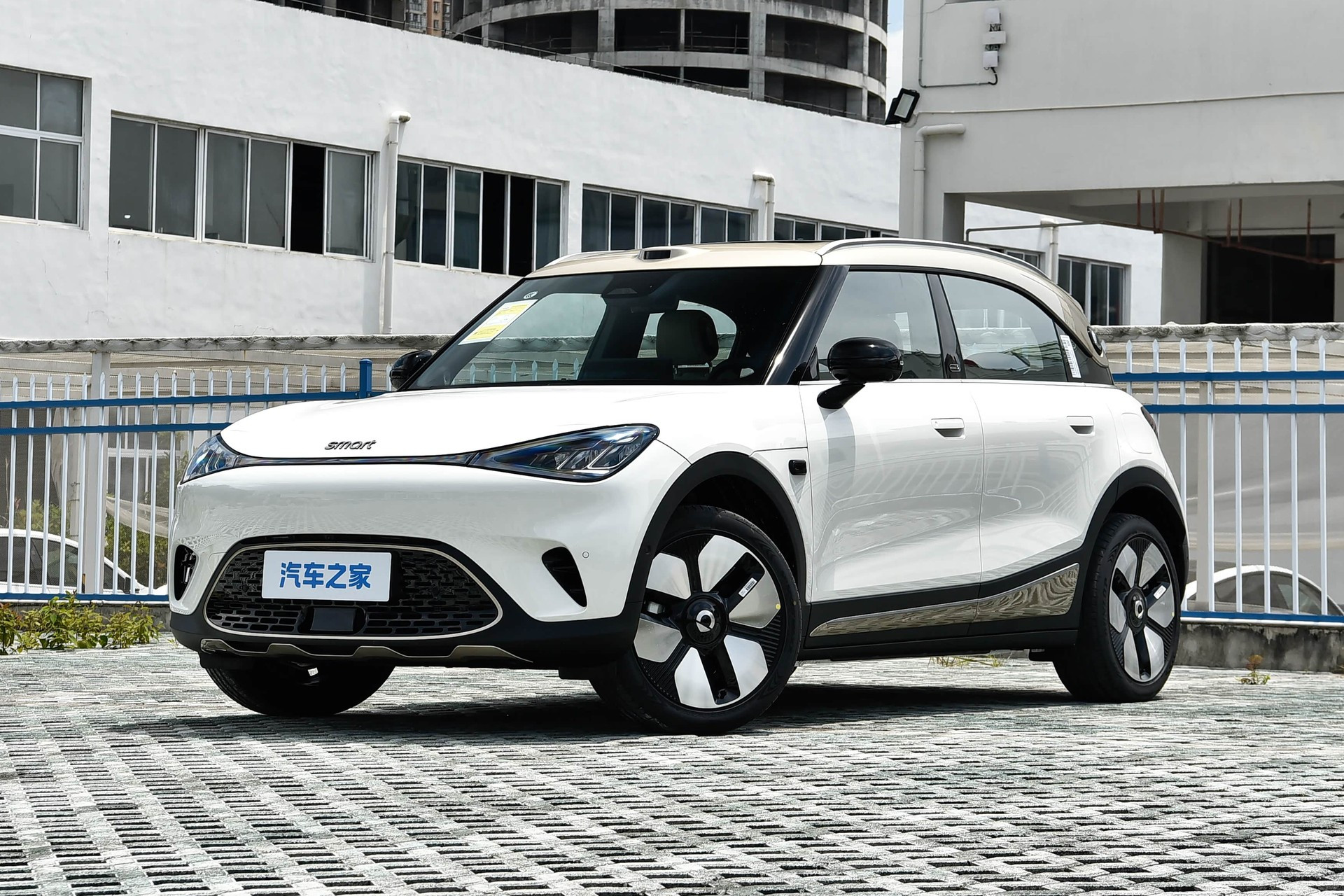
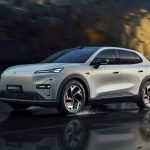
smart Automobile (a joint venture between Mercedes-Benz and Geely) has announced an updated electric subcompact crossover, the smart #1. The modernization mainly affected the technology and electronics, while the design has only been updated in select areas.
The smart #1 debuted in 2022 and became the first smart model created by engineers of the Geely holding, with Mercedes-Benz overseeing only the development of its design. The smart #1 is based on the junior version of the multi-platform SEA with a 400-volt electrical architecture, featuring single-motor rear-wheel-drive and dual-motor all-wheel-drive versions, whose specifications differ slightly between China and Europe.
In 2019, when the smart Automobile joint venture was created, it was assumed that China would be the main market for smart, so all new smart models are produced in China. In reality, the new smart models turned out to be too expensive, making it difficult for them to compete with more affordable alternatives, including those created by the Geely holding under other brands on the same SEA platform. From January to May of this year, smart sales in China, according to CAAM, totaled only 8,516 vehicles (-24.2% compared to the same period last year). Currently, the smart brand is primarily targeting Europe, but the updated smart #1 will first appear in China — sales are expected to start as early as August.
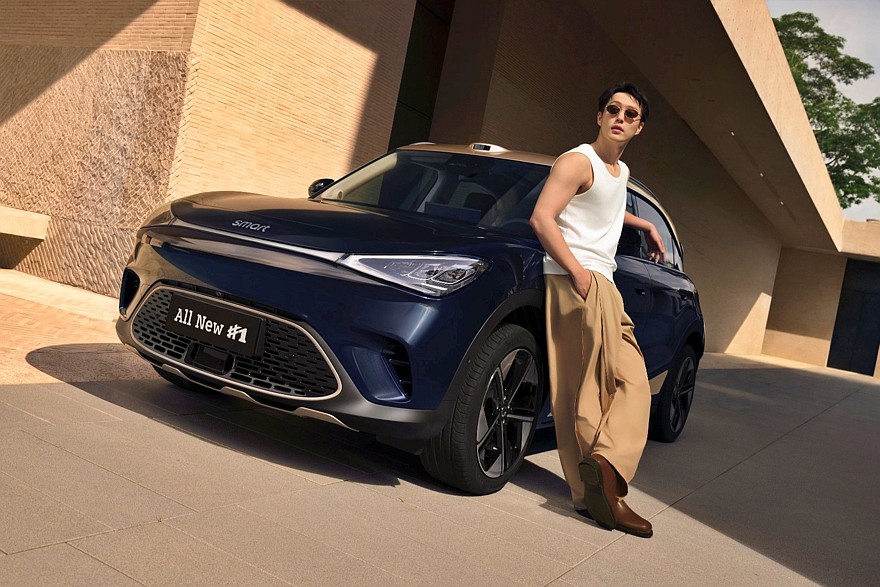
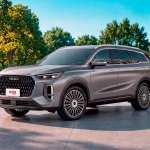
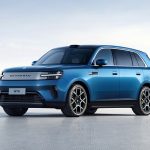
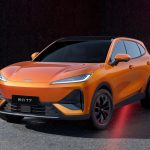
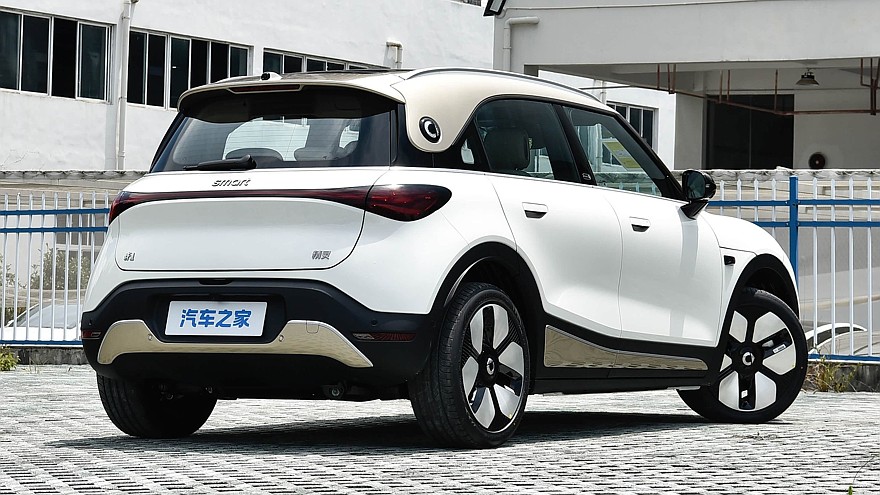
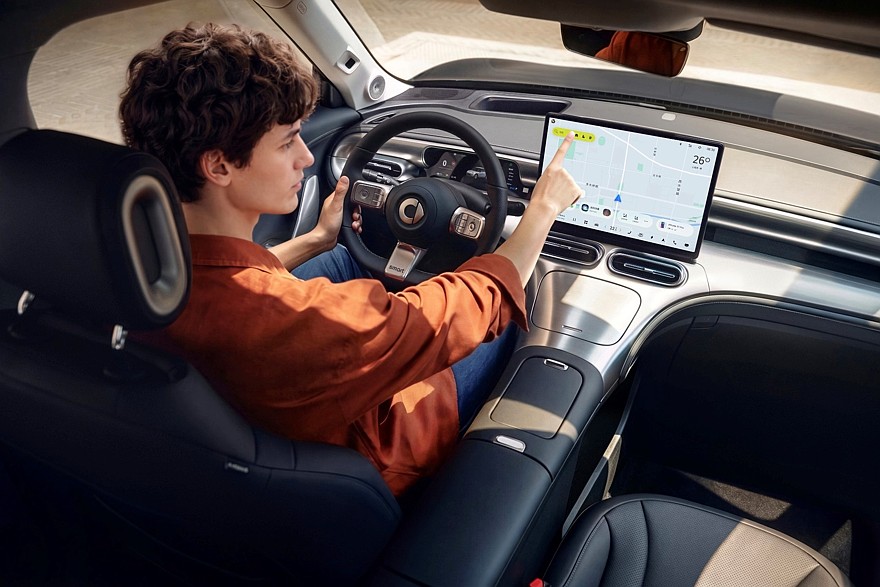
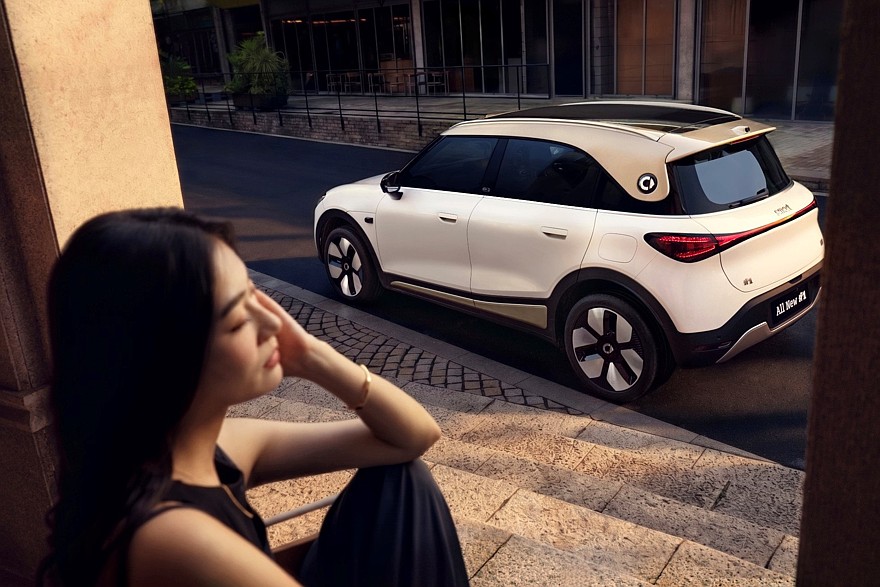
The exterior of the smart #1 has remained virtually unchanged as a result of the update, with key dimensions staying the same (length — 4,270 mm, width — 1,822 mm, height — 1,636 mm, wheelbase — 2,750 mm), but new color combinations and new wheel design options will be available for the body. The updated smart #1 can be identified from the outside by the protrusion with a lidar above the windshield, a slightly extended rear hatch spoiler, and new door handles with finger recesses instead of the previous flush ones. The interior has also not fundamentally changed: the only noticeable innovation is a 15.4-inch multimedia screen with 2.5K resolution instead of the previous 12.8-inch one.
The main technical innovation is the transition to an 800-volt architecture, which has allowed the maximum battery charging power to be increased from 150 to 370 kW. Recharging the battery at this power from 10% to 80% takes just 12 minutes. The battery capacity of the Chinese version is 61.52 kWh, with a driving range of 535 km per charge on the CTC cycle.
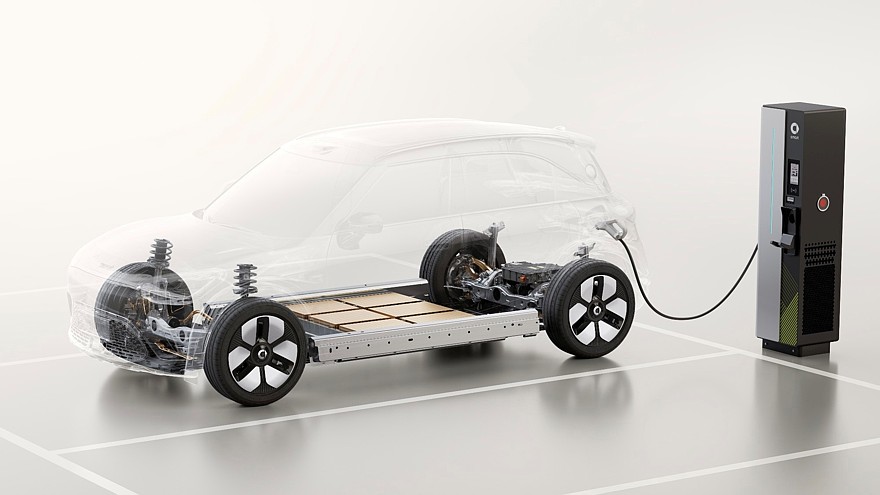
For China, only a single-motor rear-wheel-drive updated smart #1 has been announced so far, featuring a new highly integrated power module with 245 kW (333 hp). The Chinese smart #1 has also received the latest suite of electronic driver assistance systems with the aforementioned roof-mounted lidar and a powerful Nvidia Orin-Y chip with a performance of 200 TOPS.
Prices for the updated smart #1 are not yet known, but they are unlikely to rise, and perhaps in China they may even become slightly lower, otherwise a significant surge in demand cannot be expected. The pre-facelift smart #1 currently costs from 154,900 yuan (approximately 1.82 million rubles at the current exchange rate).
Let us add that in October, at the Paris Motor Show, the premiere of the new two-seat urban electric car smart #2 will take place, with which smart Automobile is counting on significant sales growth in Europe.