


















































MEFT launches public discussions on changes to taxi regulation

The International Eurasian Forum “Taxi” launches a public discussion on possible changes in the regulation of the taxi industry, which may be implemented through an experimental legal regime (ELR).
Drivers, taxi fleets, self-employed carriers, aggregators and digital platforms, experts, representatives of professional associations and authorities are invited to participate. The discussion is conducted in the form of an anonymous survey. Proposals are accepted until July 31, 2026.
The ELR allows for new mechanisms to be tested in practice first, their effectiveness assessed, and only then proposals for further regulation to be formed. The opinion of market participants will help to understand which measures are truly in demand and which risks need to be considered in advance.
At the center of the discussion are digital solutions and new approaches that can reduce the administrative burden, simplify legal work in the market, and improve the safety of passenger transportation. Participants are invited to evaluate initiatives currently being discussed by the professional community: from electronic waybills and remote medical monitoring to simplifying vehicle registration requirements, the development of E-OSAGO, and new models for regulating self-employed drivers.
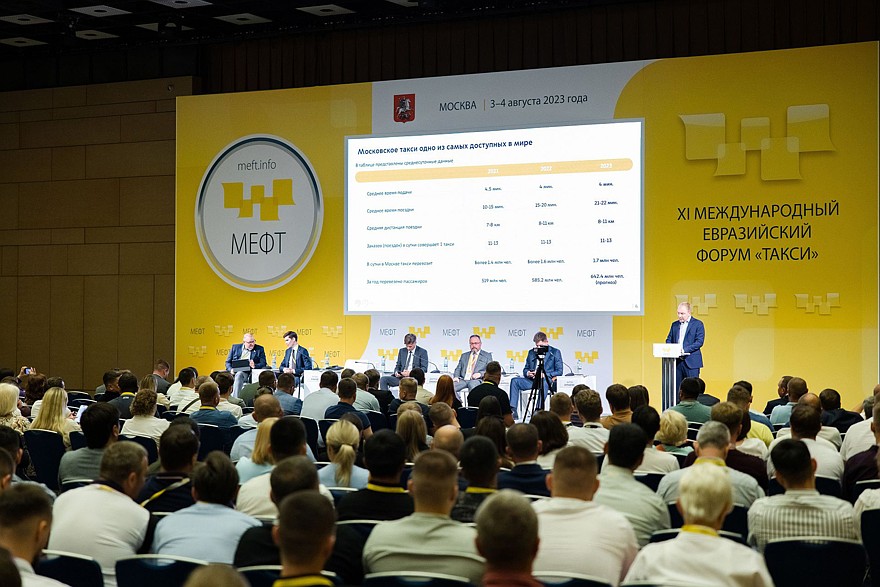
A separate block of questions is devoted to the future digital infrastructure: who should develop and control it, how government and commercial platforms should interact, what costs market participants are willing to bear, and what risks need to be considered before launching the experiment.
The launch of the public discussion is part of the systematic research work of the IEFT to assess the state of the taxi industry. Today, the market faces persistent challenges: a shortage of personnel, rising costs, complex administrative procedures, territorial restrictions, and the risk of some carriers moving into the illegal sector. At the same time, taxis remain a significant part of the country’s transport system. The accessibility of the service for passengers, business sustainability, trip safety, and legal employment of drivers depend on how enforceable, technologically advanced, and balanced the regulation is.
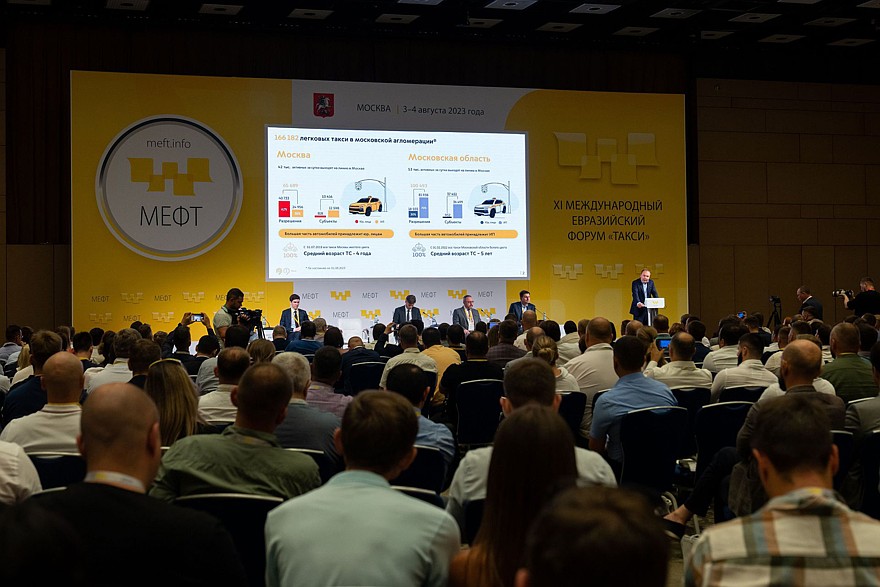
For the IEFT, it is important that proposals for the development of regulation are formed not only at the level of regulatory frameworks but also taking into account the real practice of the market – the work of drivers, the economics of taxi fleets, the capabilities of digital platforms, the position of regions, and the expectations of passengers. In parallel, the IEFT is conducting a separate survey of taxi drivers as part of a study of the current state of the passenger taxi market in the regions. This will allow the expert discussion to be supplemented with assessments from those who work on the line every day.
All responses and proposals will be analyzed, and the results will be included in the business program of the XIV International Eurasian Forum “Taxi,” which will be held on August 6-7, 2026, in Moscow. Based on the results of the public discussion and the forum debate, the IEFT will prepare a consolidated position and send proposals to state authorities.
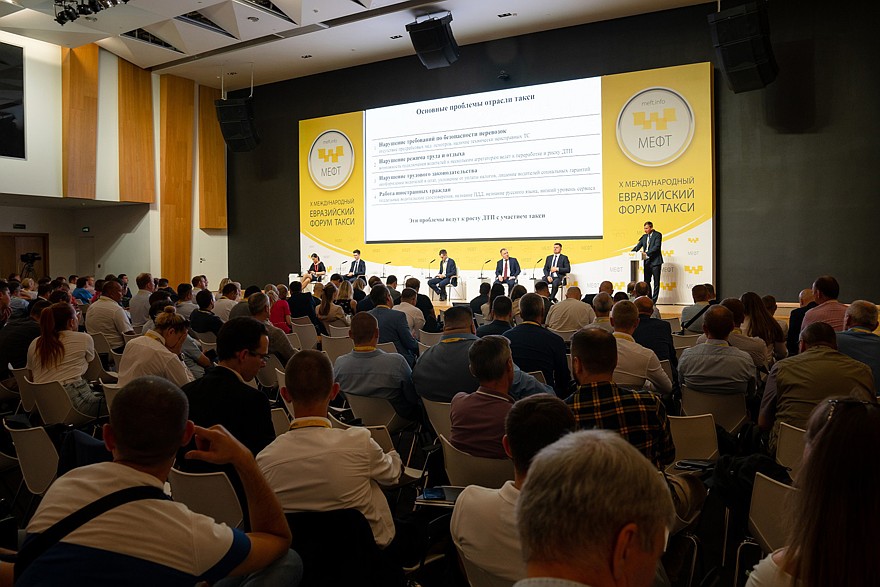
The International Eurasian Forum “Taxi” has been held since 2011 and is an expert industry platform for discussing the future of taxis and urban mobility in Russia and the Eurasian space.
The forum will take place on August 6-7 in Moscow at the World Trade Center, Krasnopresnenskaya Embankment, Building 12.
Partner material