












































Walking to Three Hydroelectric Stations: A Journey to Ruzsky District
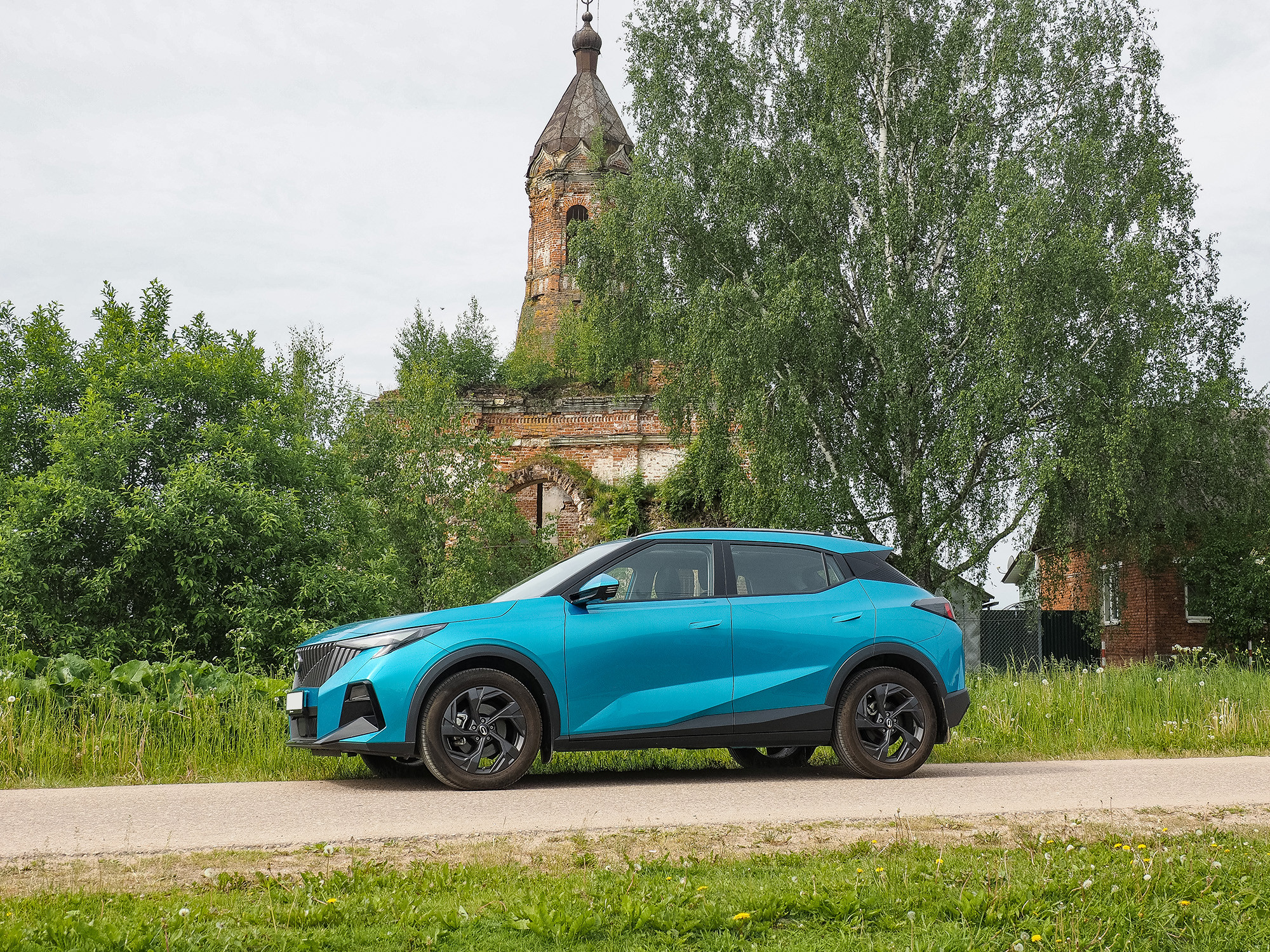
The abbreviation “HPP” is usually associated with cyclopean concrete structures, turbine wheels weighing hundreds of tons, and heroic feats in damming mighty rivers. But there are other hydroelectric power plants, where there is also room for walks and admiring 16th-century historical buildings. This is easy to see by driving just a hundred kilometers from Moscow.
We will start, nevertheless, with the HPP. Their advantages and disadvantages are quite obvious: they are not as dependent on the weather as solar ones, and they operate in a more constant mode than wind ones. However, their construction requires serious investment, and the construction of dams leads to the flooding of significant territories.
The first relatively large hydroelectric power plant in the USSR was the Volkhovskaya HPP, launched in 1927, and in the same year the construction of the DneproGES began. But the output of the energy giants under construction was needed by the industrial giants being built, while in a peasant country there were tens of thousands of much smaller potential consumers. Therefore, the construction of small hydroelectric power plants began in the country. In 1937, there were at least 750 such structures in the USSR; by 1941, their number had grown to 660.
On February 8, 1945, the Council of People’s Commissars of the USSR adopted a resolution on rural electrification, and then it was like a dam breaking: small hydroelectric power plants, collective farm and district ones, were being built at a rate of almost a thousand per year. But in 1954, the boom ended very abruptly – energy companies were given permission to connect agricultural enterprises to the common power grid, small hydroelectric power plants became unnecessary, and they began to be decommissioned one after another. But every rule has exceptions, and even today in the Ruzsky Municipal District of the Moscow Region there are two operating small – with a capacity of less than 50 MW – hydroelectric power plants, built and commissioned relatively recently, and one abandoned one. So I set off to look at them, and also to see the local attractions located nearby.
The Church Remains in Service
The Verkhneruzskaya station (HPP-33) was built in 1978 near the village of Cherlenkovo and has a capacity of 2 MW. It would seem, why was such a low-power station needed when the country already had the Volga cascade stations and a whole network of thermal power plants in full operation? The fact is that for both the Ruzskaya and Verkhne-Ruzskaya HPPs, electricity is, so to speak, a by-product, an additional bonus. The station does not belong to the RusHydro concern, but to Mosvodokanal, and is part of the Vazuz hydraulic engineering system. Water from the rivers of the Upper Volga basin flows into it, and then along the Ruza River it goes to the Rublyovsky waterworks of the capital. In general, the main actor here is the earthen embankment dam itself. Well, since it exists, it would be a sin not to make the water turn the turbines: in the relatively small engine room, two turbine units are installed, each consisting of a Kaplan turbine and a generator. It is noteworthy that back at the end of the 19th century, the lands adjacent to the dam were purchased “for the construction of a mill” by the Volokolamsk tradesman Mikhail Lavritsky, but for some reason he never built the mill, although the place clearly turned out to be suitable.
Once upon a time, a public road ran across the dam; the territory of the waterworks is fenced off and heavily guarded. However, in the upper part of the resulting reservoir, it’s a paradise for fishermen! The reservoir is rich in pike, perch, white bream, crucian carp, tench, bream, and burbot, and fishing houses have been built on the banks.
But nearby there is another interesting object of a completely different kind – the semi-abandoned St. Nicholas Church, officially the Church of St. Nicholas the Wonderworker. The construction of the stone (more precisely, brick) church was completed by 1562, and since then the church has remained a rural parish church for many years, albeit a very large one.
In the mid-19th century, the church was thoroughly rebuilt. The upper part was dismantled down to the lower level of the church cornice, all windows were refaced, the vaults and arches of the altar part were reworked, the interior was remodeled, and a three-tiered bell tower was added.
The church survived the revolution of 1917 and was closed already in 1938. During the Great Patriotic War, the building was seriously damaged during shelling and bombing – it is said that the bell tower housed an observation post first for the Red Army and then for the Wehrmacht. Nevertheless, the building remained quite strong, and a vegetable store and warehouse were set up in it, while the bell tower, damaged by the explosion of a heavy aerial bomb, was finally dismantled.
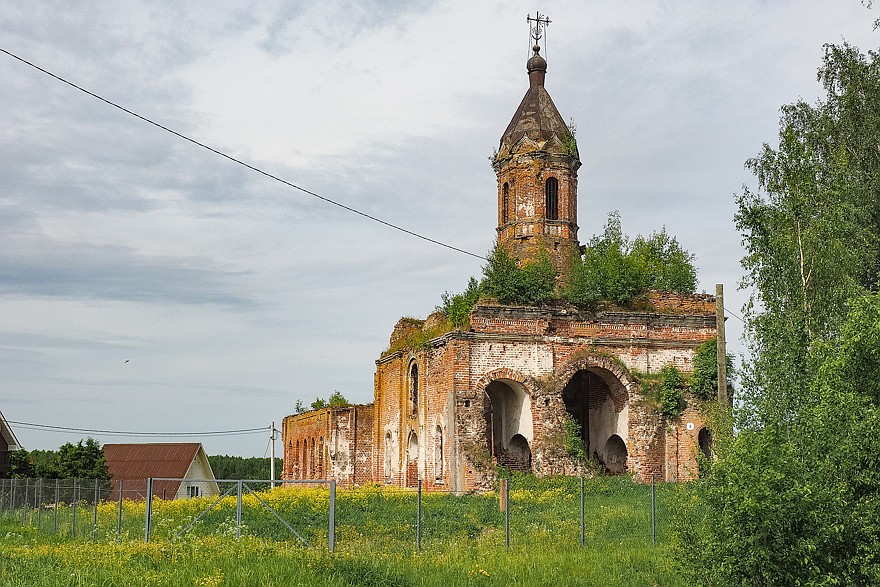
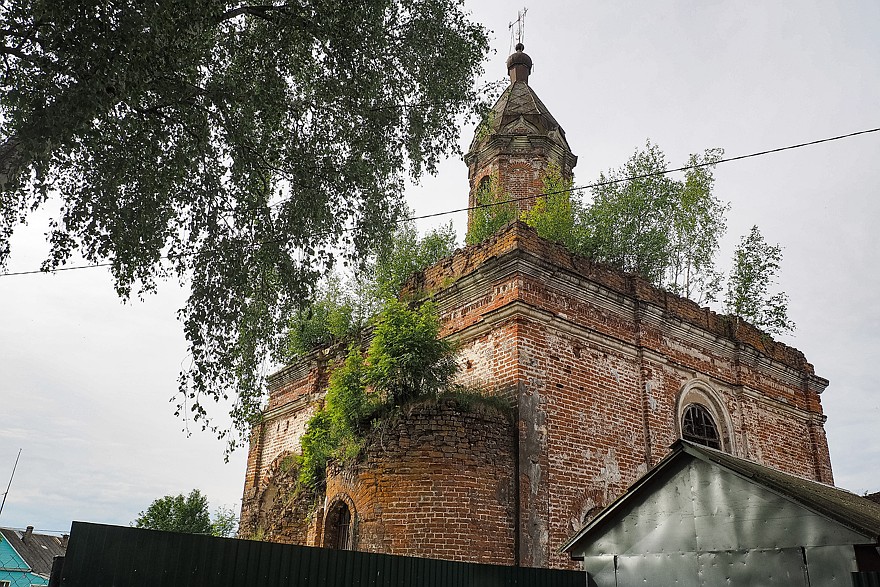
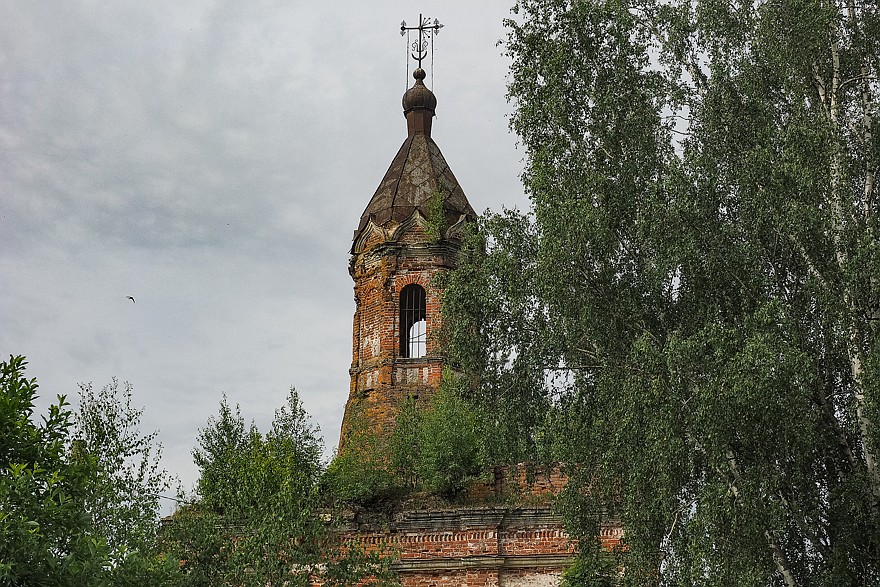
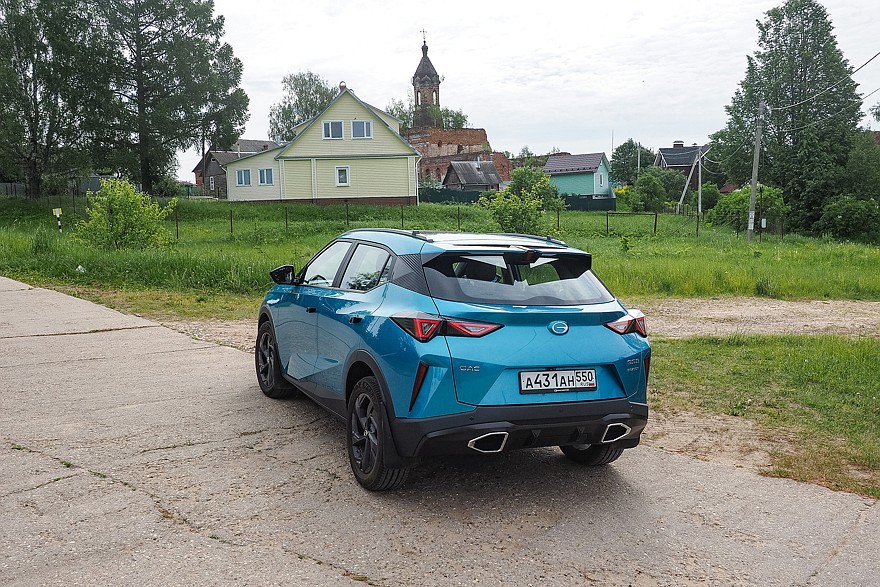
Currently, the church has been transferred to the Moscow Diocese, included in the list of “desecrated shrines,” and awaits restoration. Services are even regularly held near it. Near it – because the building continues to deteriorate, and it is simply dangerous to be inside. For this reason, the church is surrounded by a fence, and the gate is locked – to prevent homegrown stalkers and youth hungry for Herostratic fame, armed with spray paint cans, from getting inside. But overall, the church makes a very strong impression.
On the Shores of the Reservoir
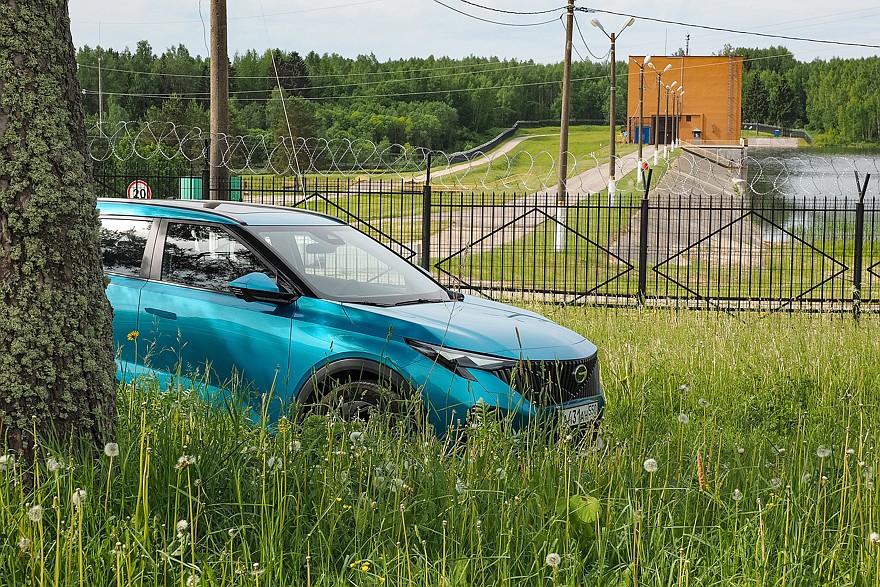
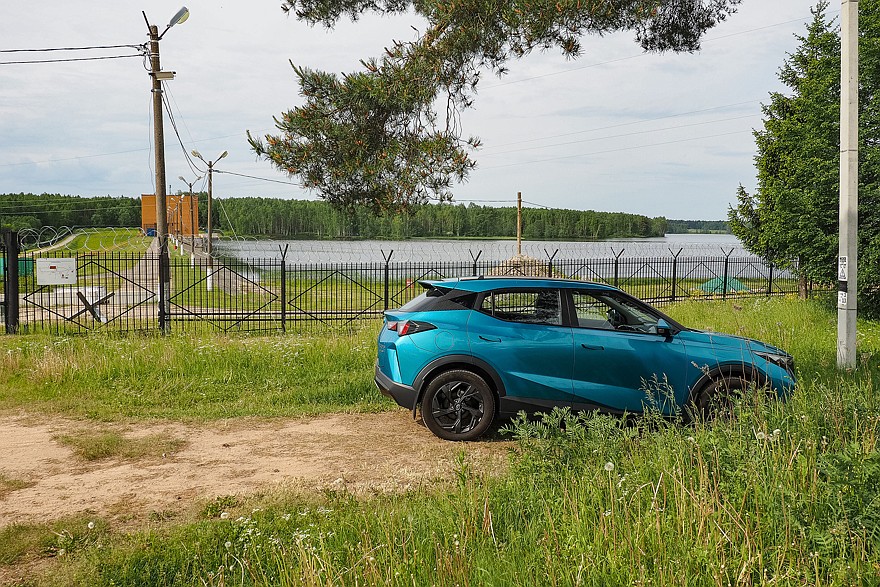
The second station of the cascade, Ruzskaya, is located in the village of Palashkino, ten kilometers from the town of Ruza. The HPP building houses two hydraulic units with a capacity of 1.6 MW each, equipped with Kaplan turbines that drive generators manufactured by the Yekaterinburg UETM. The station was commissioned in 1964. The dam is earthen, made of homogeneous embankment moraine loam, but there is a block of concrete structures, including supply and discharge pressure tunnels. The building proudly displays the abbreviation “MVK,” meaning “Mosvodokanal.” Actually, for this station too, electricity is a by-product, and the main one is clean water for Moscow. And this means it’s a restricted facility – security, barbed wire, stern warnings… I admired the station and went to explore the surroundings.

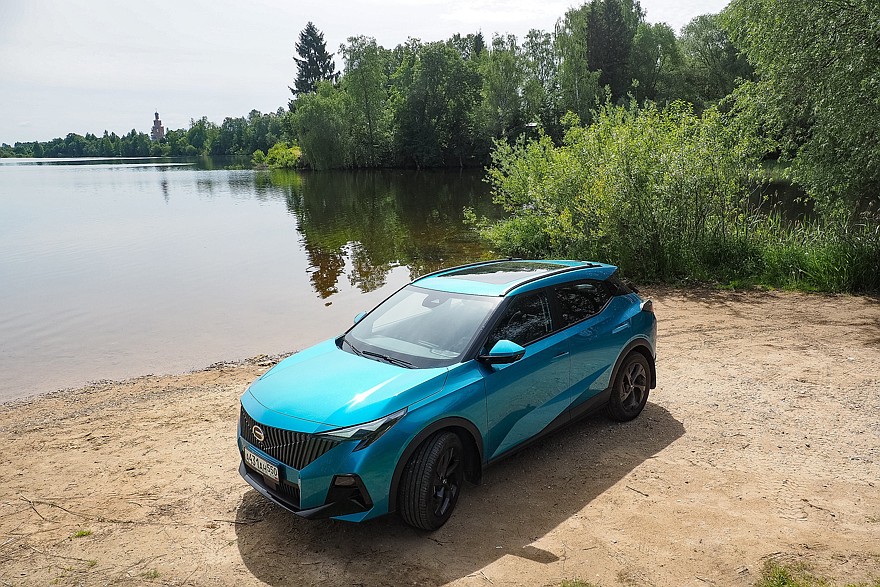
The reservoir turned out to be very picturesque. There are places where you can drive right up to the water. And also, if Yandex is to be believed, there are quite a few attractions around that could be seen. For example, the Church of the Annunciation of the Blessed Virgin Mary in Brazhnikovo. From an architectural point of view, it looks rather simple, but it is a real monument, built in 1713-1715 on the Prozorovsky estate. But the new history of the building was as difficult as that of many churches: during the war, the church was seriously damaged, the Germans set up a camp for Soviet prisoners of war in it, and after the war, wire was annealed and felt boots were made there. The revival of the church began in 2000 and continues to this day. Actually, all that remains is to plaster the walls and gild the dome.
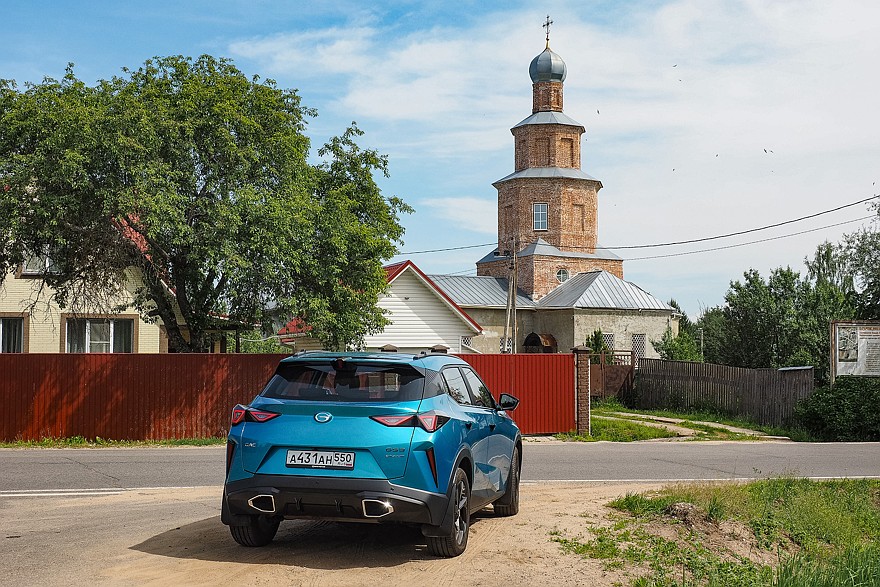
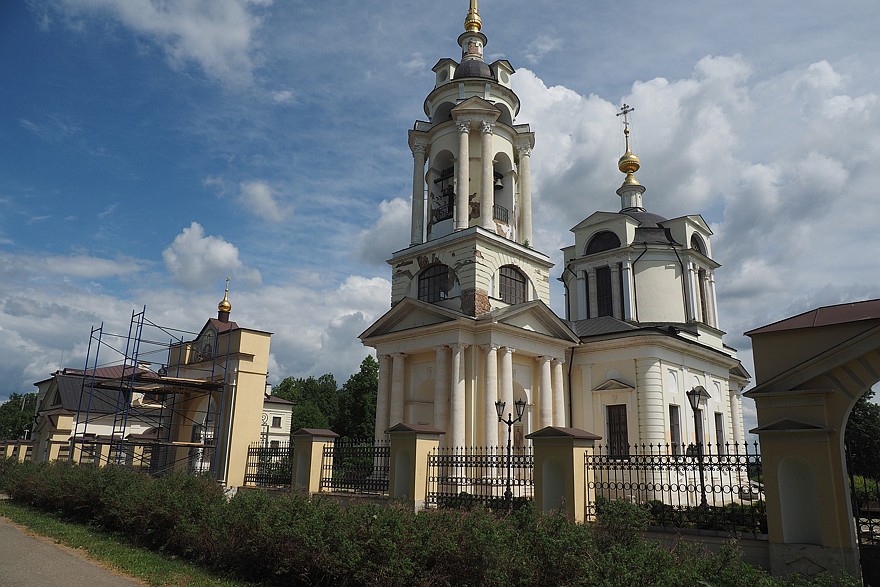
Another surprisingly elegant church was found in the village of Komlevo. This is the Znamensky Church, officially the Church of the Icon of the Mother of God “The Sign”. It was built by Grigory Nikitich Orlov, who owned Komlevo, and architectural historians consider the church a true pearl of Russian classicism. Alas, the architect’s name has not come down to us, but historians are confident that it was one of the students of the great Kazakov.
During its existence, the church suffered a lot: first it was plundered by the French in 1812, then it was hit by the revolution (although services continued until 1934), and then the Great Patriotic War rolled over it like a terrible steamroller. It is hard to reconcile the ruins in post-war photographs with the current state of the architectural monument, which was completely restored in 2002.
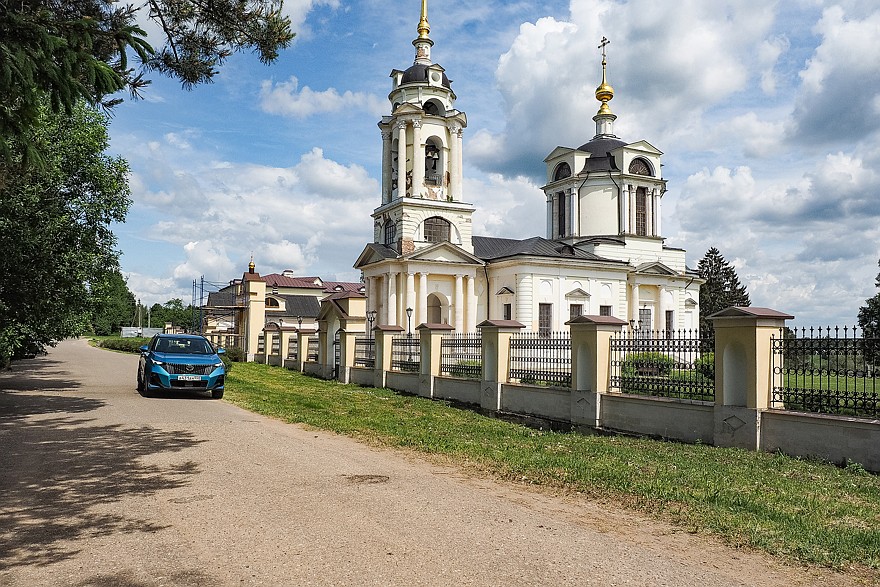
Well, then my period of disappointments began. On Yandex Maps, a place is marked where the Museum of the Afghan Campaign of the USSR, photo spots, and the art installation “Stones of Wishes” are located nearby. You drive up – and run into the closed gates of the “Rus” sanatorium. The security is absolutely categorical: entry only with sanatorium vouchers. Or get permission in advance from the higher-ups. I go to another point, where, according to Yandex, a certain “Kapishche” (Pagan Temple) is located, where you can get acquainted with ancient Slavic culture and traditions, and rituals and ceremonies are held. And again closed gates and impenetrable security.
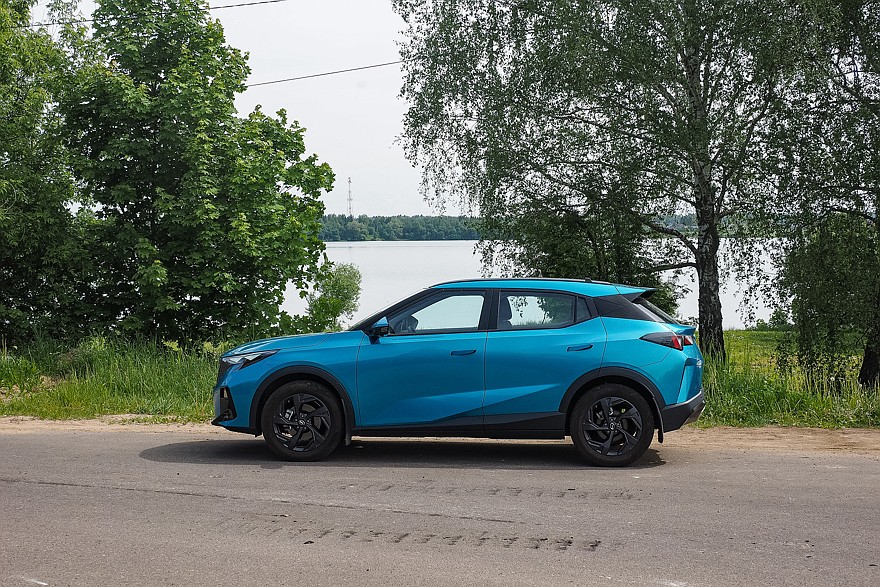
During these wanderings, the GAC GS3 managed to show itself both from a very good and not the best side. Actually, driving this car along winding and almost empty local roads is a pure pleasure. It handles superbly, and if you set the steering to sport mode, the response from the wheel is quite acceptable. Again, these roads are not too busy, so you can turn on adaptive cruise control, set a conditionally non-punishable 108 km/h, and enjoy. There’s just one thing: approaching the first fast turn, I gripped the wheel and prepared to take it without reducing speed, in the style of “hold on tighter to the wheel, driver.” But as soon as the wheels turned to the required angle, the cruise itself dropped the speed to 89-85.

But a couple of kilometers on a gravel grader road, which led to that very “Kapishche,” literally shook the soul out of me: the price for handling was the stiffness of the suspension, and every pebble resonated in the spine. Things were no better on the speed bumps, which are plentiful in populated areas, including the town of Ruza itself.
A Microscope in the Hall of Antiquities
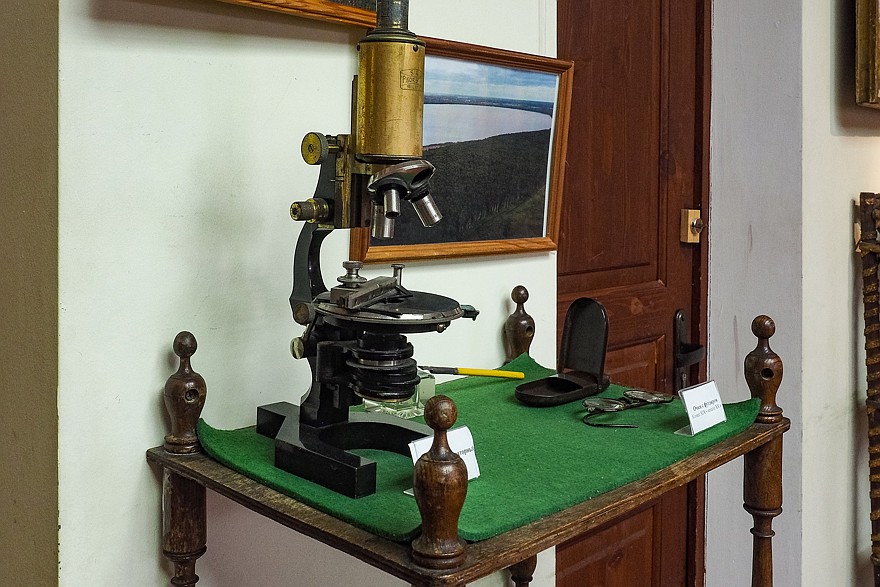
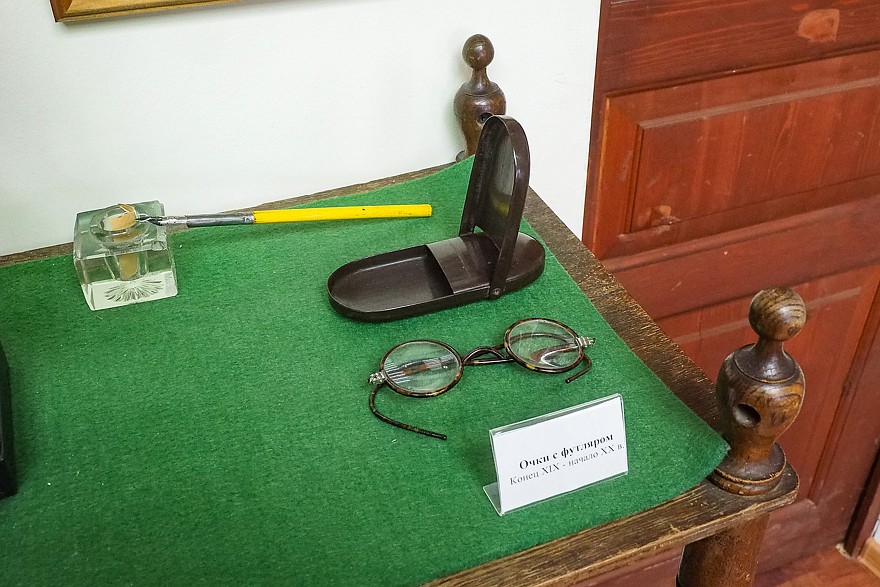
In Ruza, following an established tradition, I visited the local history museum. It is small, just three small halls – antiquities, modern history, and military. I found the most interesting exhibits in the hall of antiquities: on one of the stands was a pre-revolutionary Italian microscope with a bronze tube. An old thing, of course, but not an antiquity! It turned out that in the vicinity of Ruza, on Lake Glubokoye, through the efforts of Nikolai Yuryevich Zograf, a professor of zoology at Moscow University, a hydrobiological station was organized in 1891, which was named after him back in 1916. This is his microscope and his antique glasses.
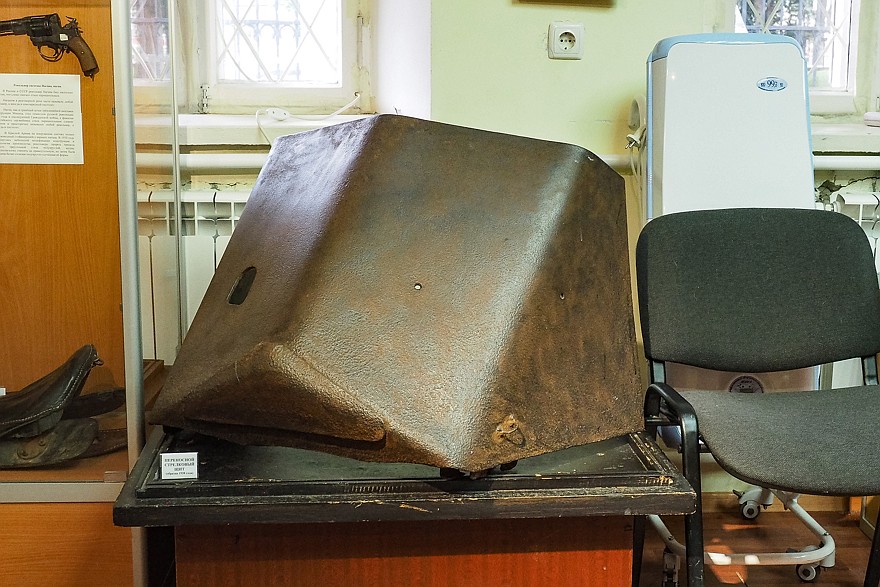
In the military hall, two exhibits interested me: a mobile individual shooting shield of the ZBSH type, apparently manufactured at the Izhora plant. They very rarely appeared in front-line newsreel footage, and I had only seen such a shield in person at the “Svirskaya Pobeda” museum in Lodeynoye Pole.
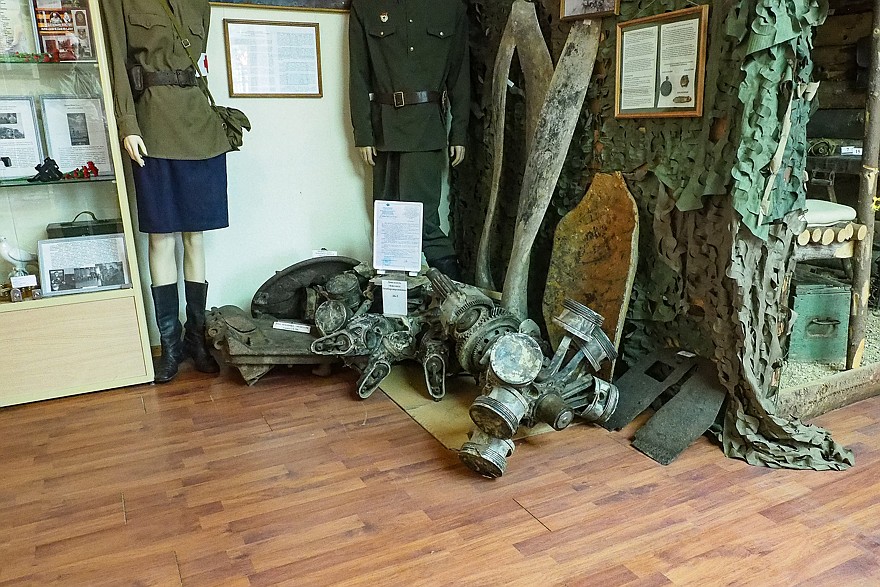
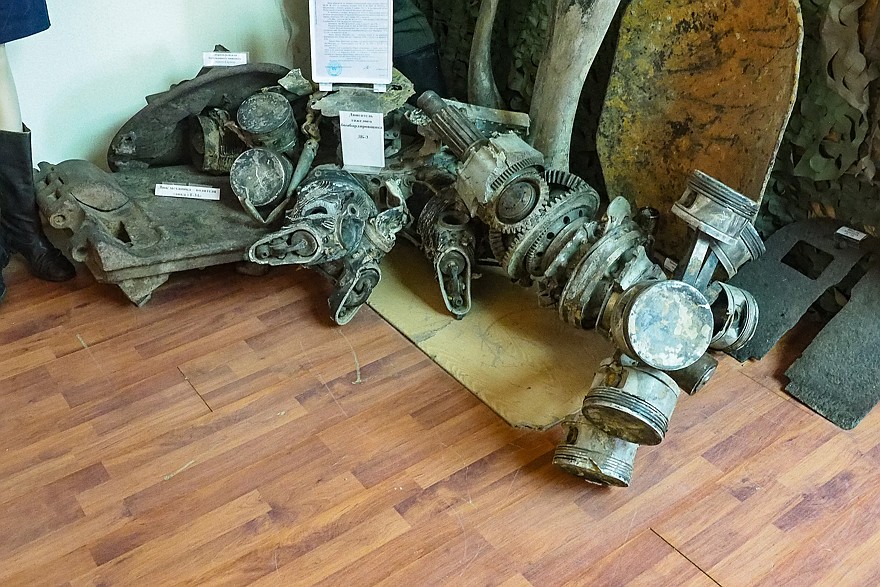
The second was a mangled pile of metal with gears and pistons sticking out of them, which is actually the remains of the M-88 radial aircraft engine from a DB-3 bomber. The machine was found by search teams in 2009, and at the same time, the remains of three deceased crew members were recovered. But it was not possible to establish their names.
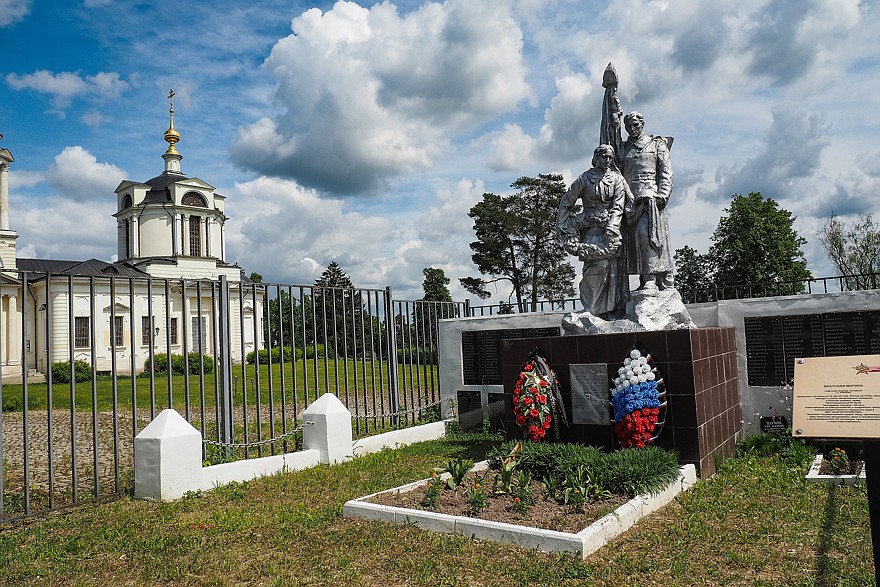
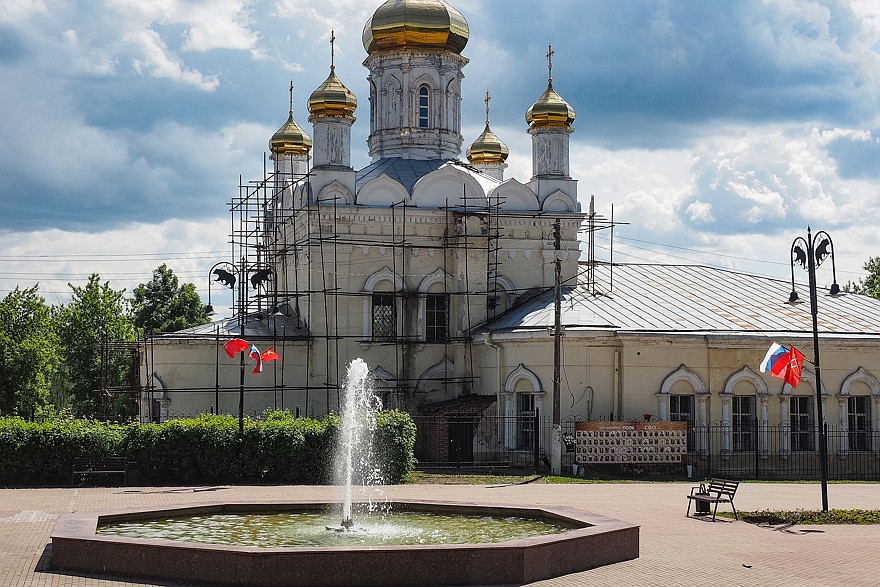
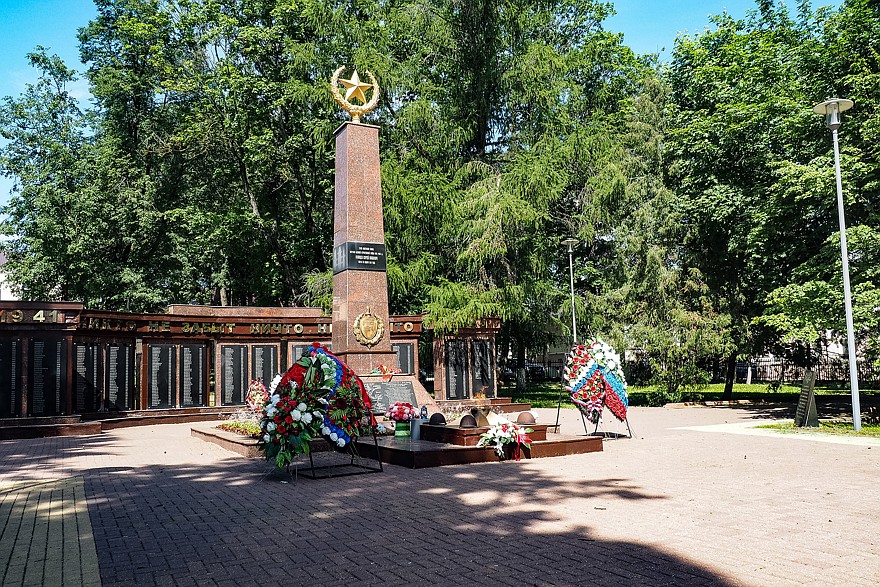
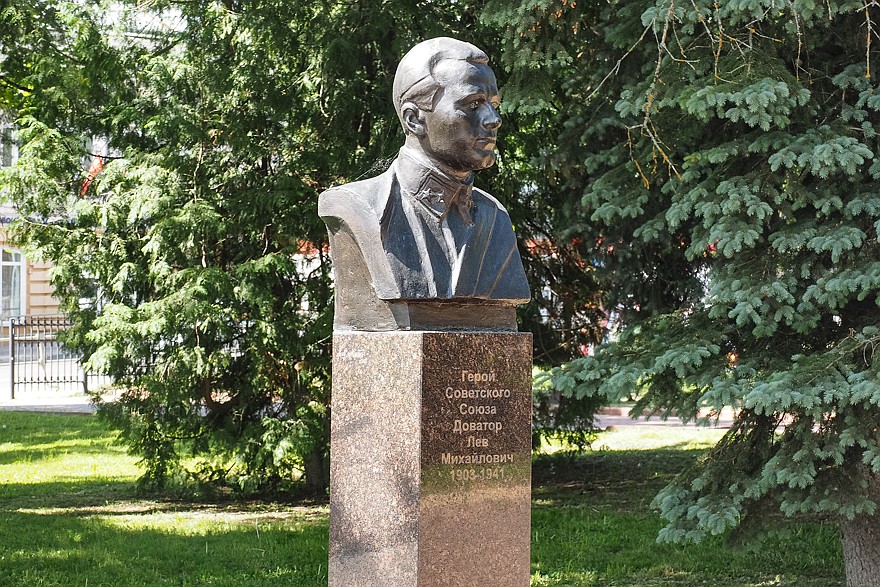
In general, the “echoes of war” are felt in Ruza literally at every step. In the square near the museum, there is a memorial with an eternal flame. Behind it is an obelisk to fallen partisans and marble plaques with the names of Ruza residents who did not return from the war. Nearby are four busts of Heroes of the Soviet Union: pilot Nevkipely, a captain and squadron commander, partisan scout Solntsev, cavalry Major General Dovator, and Zoya Kosmodemyanskaya. And on the other side, the gilded domes of the Cathedral of the Resurrection of the Word, the main church of the city, shine in the sun. The construction of the cathedral began under Peter I; from 1925 to 2009, the building housed everything – a club, a cinema, a sports school – but today the cathedral has been returned to the church and services are held there.
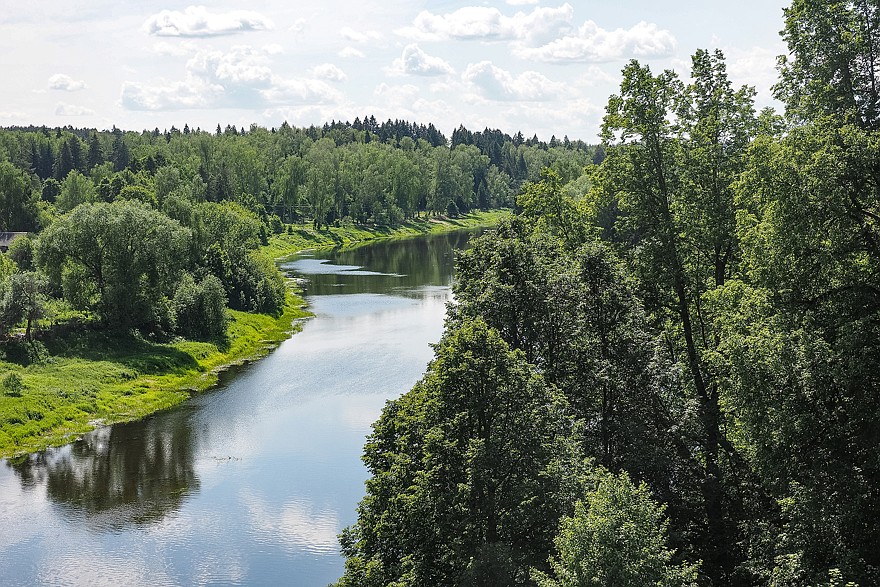
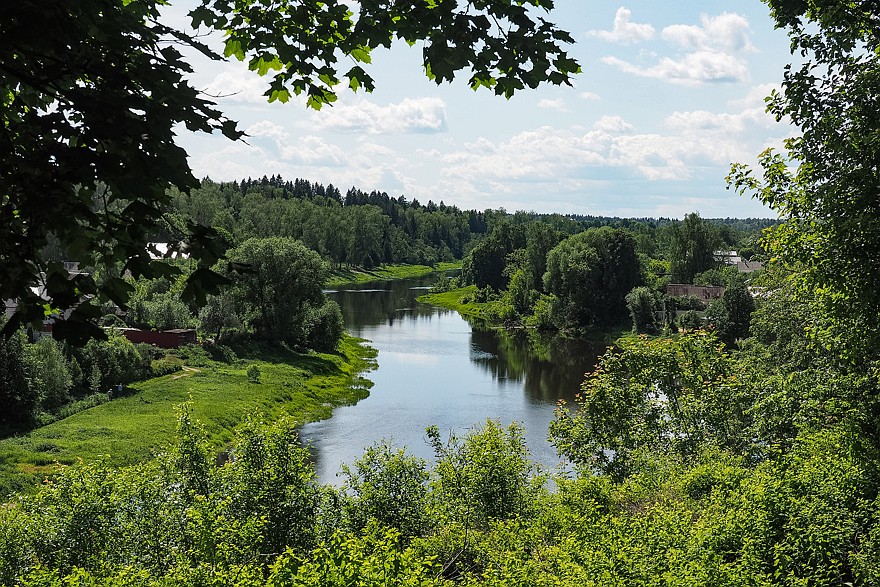
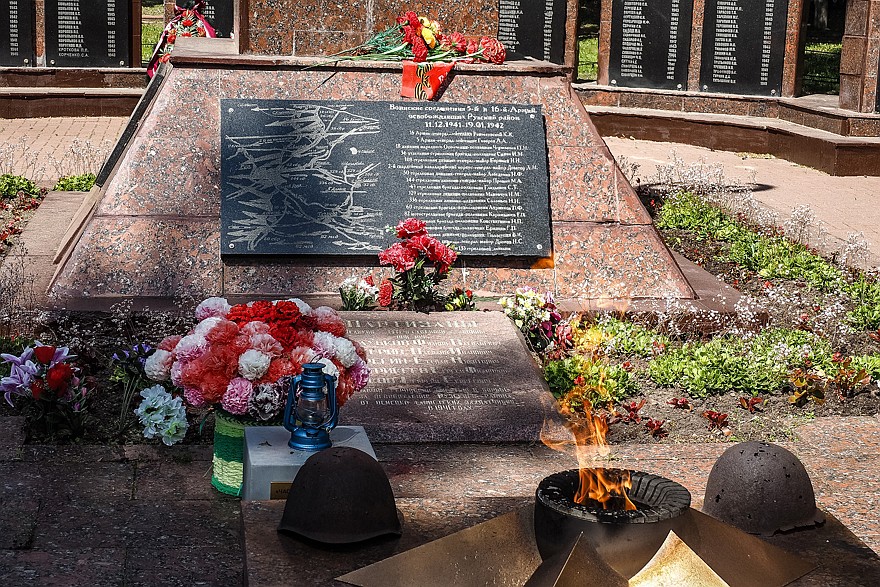
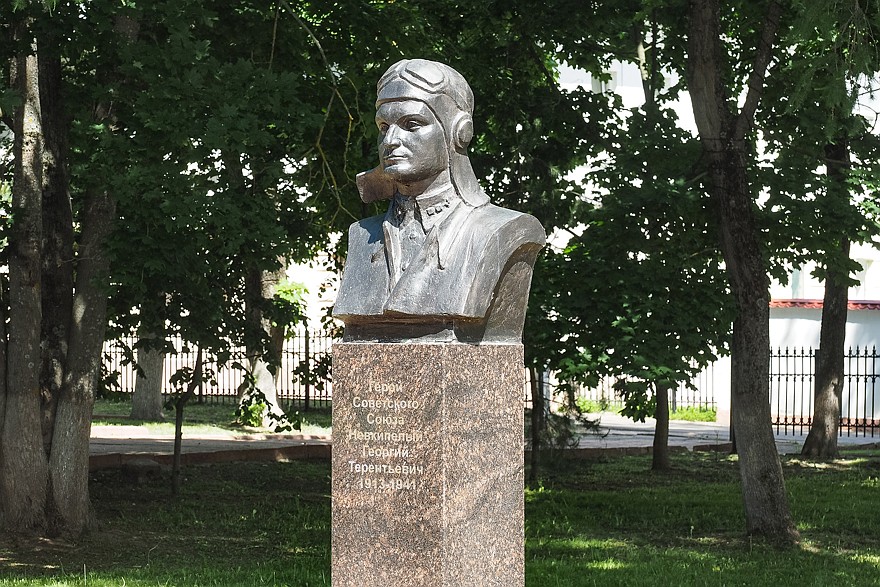
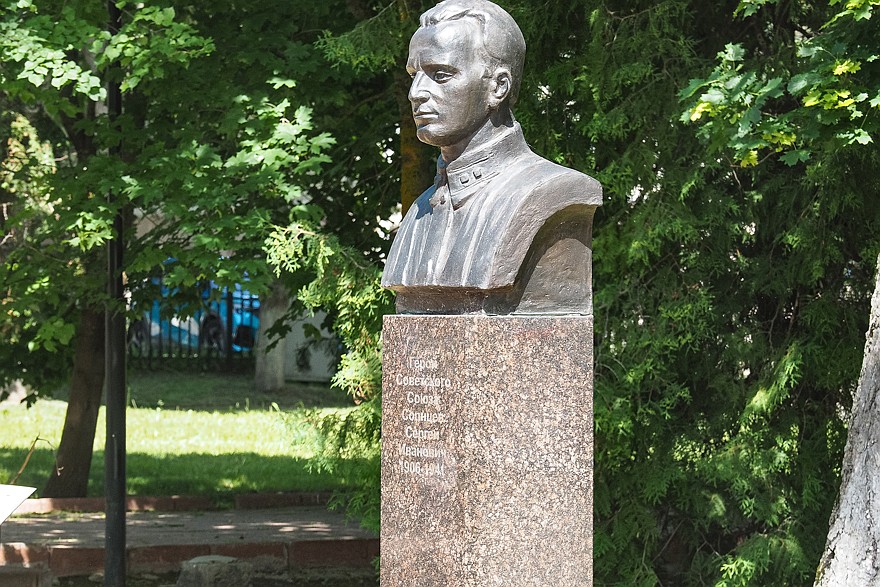
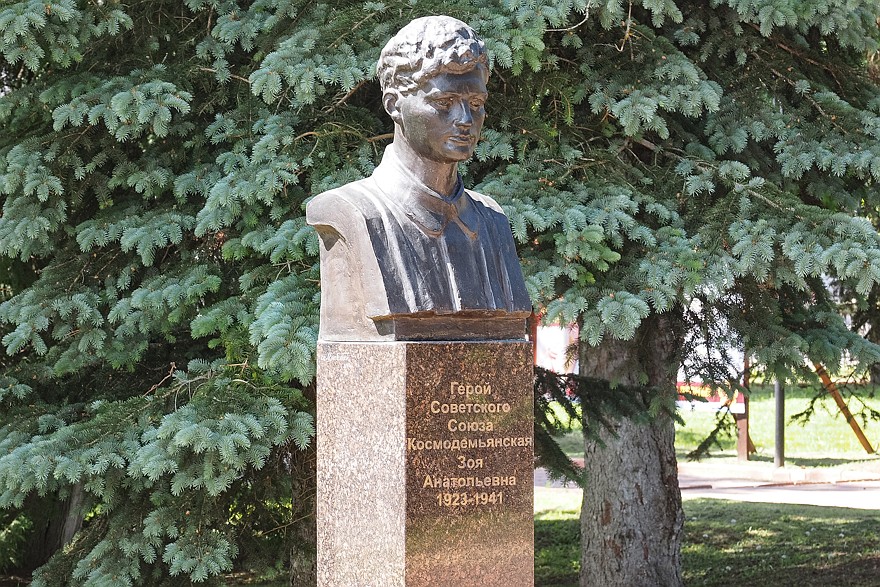
And even in the “Gorodok” culture and recreation park, laid out on the site of the Ruza Kremlin (from which only earthen ramparts remain), on observation platforms with luxurious views of the Ruza River, exhibitions of wartime photographs are displayed.
Boulders and New Builds
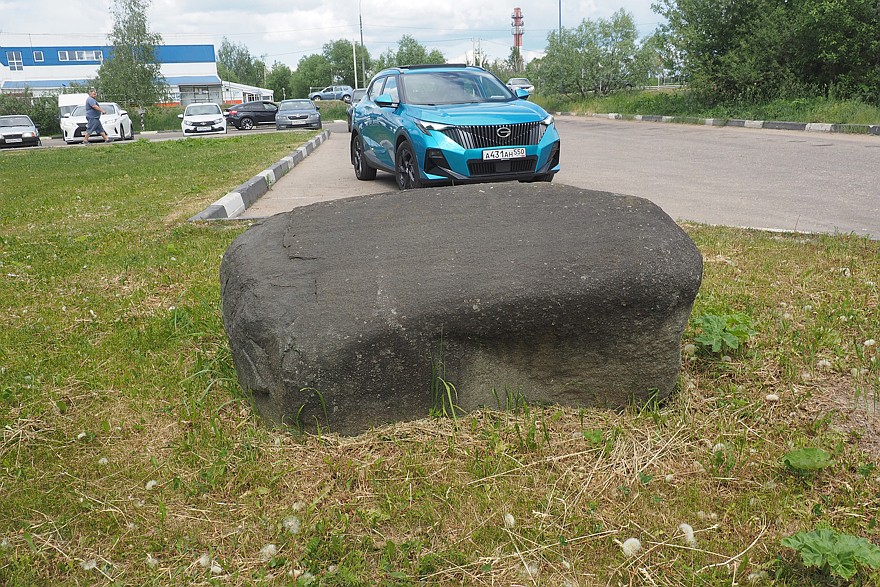
Another Ruza theme is boulders. Everyone, of course, knows that boulders are a product of glacier movement during the great ice ages. Of course, this is the Central Russian Plain, not Karelia, where megaliths the size of a garden house lie casually by the roadsides. The glacier passed here earlier, and the rock fragments it left behind, smoothed on all sides, ended up buried under river sand deposits. But they are found everywhere here, though not at every step, and on Yandex Maps, many local attractions are marked as “Stone.” One such boulder lies on the lawn near a Pyaterochka store, and periodically someone drives up to it and takes pictures.
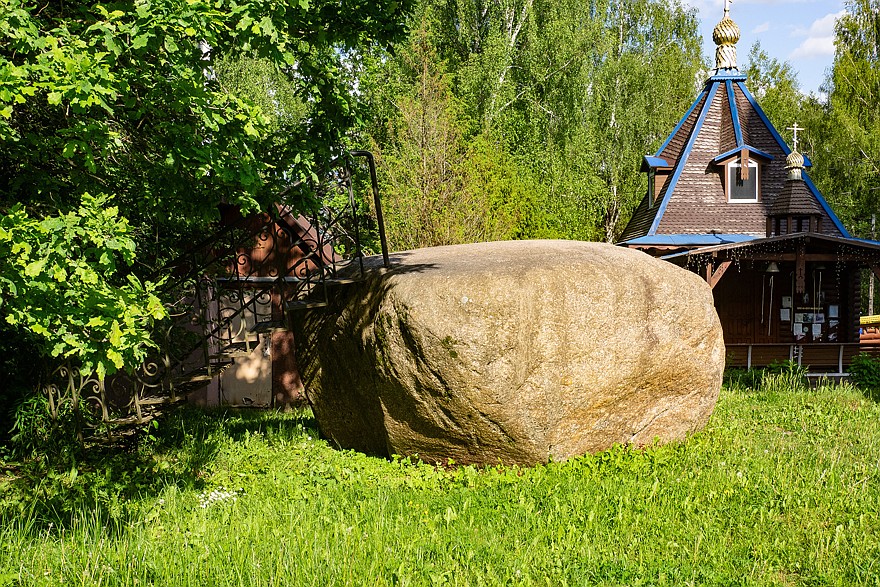
Another megalith can be seen in the village of Lyzlovo. Indeed, a huge rock weighing about 50 tons! It was found in a sand quarry, and the initiator of moving the boulder to Lyzlovo was Father Alexander, the rector of the brand-new church of the Icon of the Mother of God “Life-Giving Spring,” built in 2014, near which the boulder was placed. In all guidebooks, the stone is designated as “the largest boulder in the Moscow Region.” Maybe it is. In any case, the boulder immediately became a place of pilgrimage for various Rodnovers, pagans, esotericists, and other strange people. I don’t know how this combines with Christianity and the proximity to the church.
Abandoned Sites Looking for an Owner
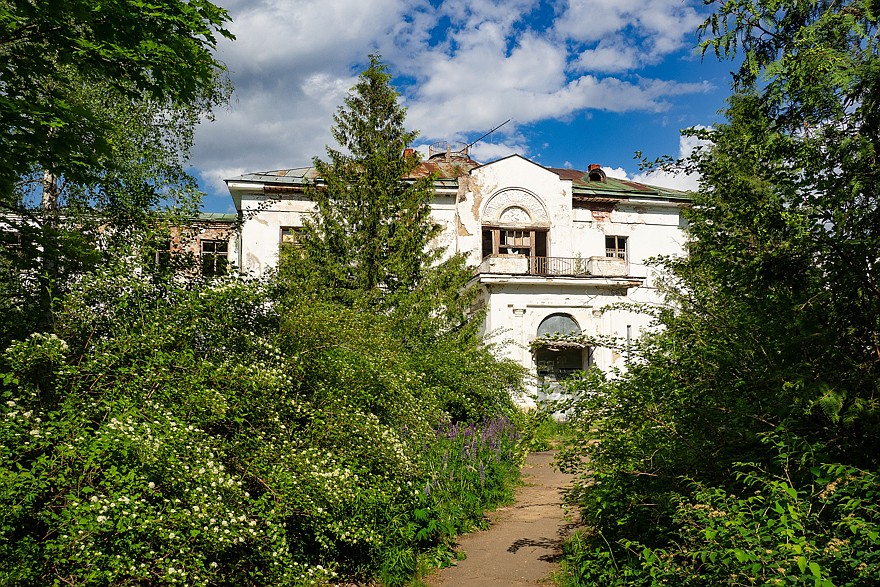
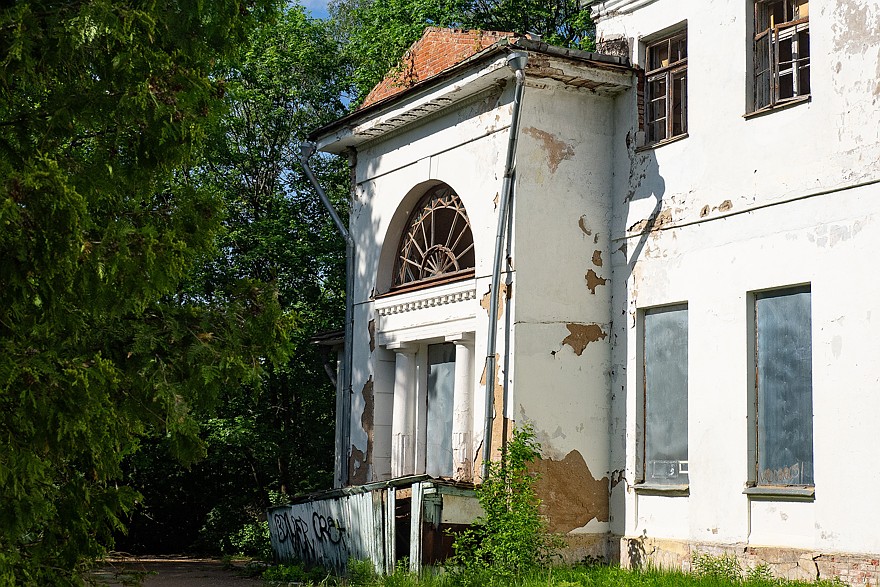
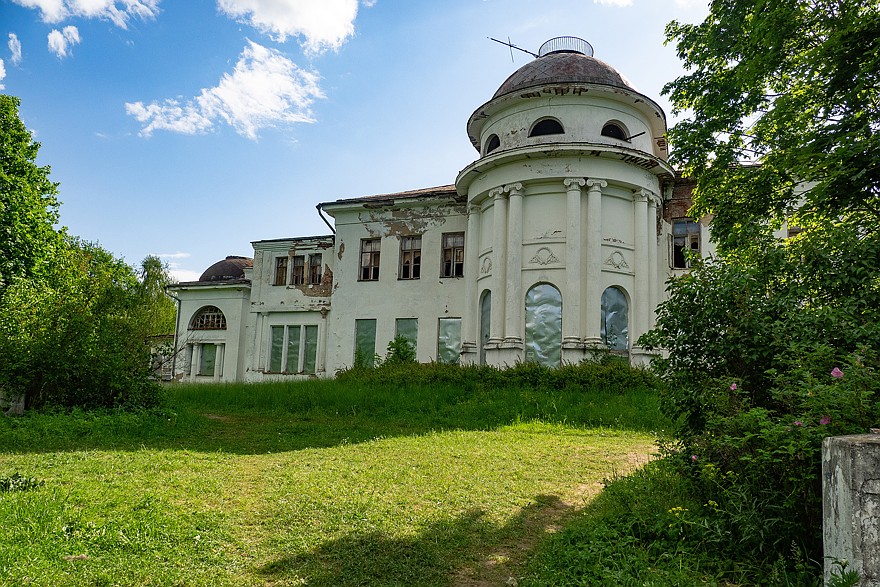
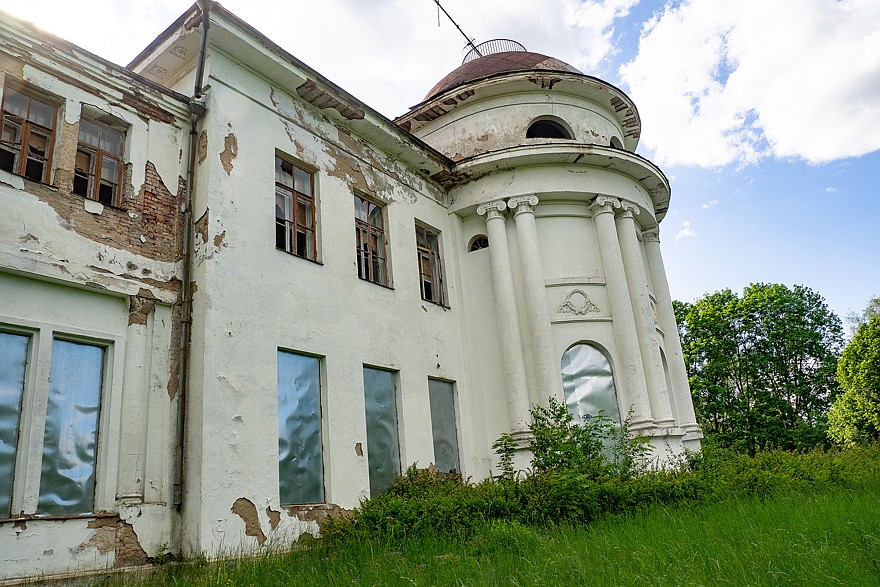
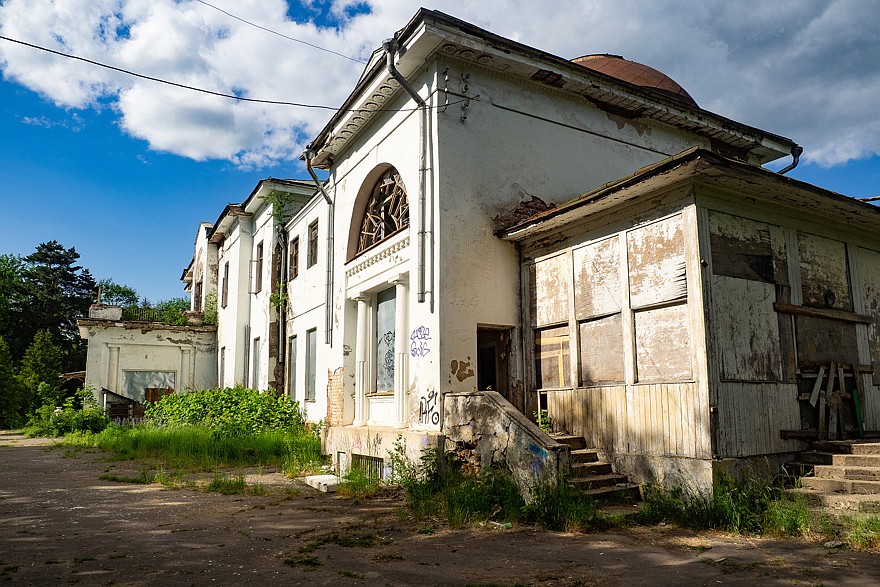
Well, in conclusion – two abandoned objects with an unclear future. The first is the Lyubvino estate. This estate is one of the “new,” merchant ones. It was built in 1911 by a young lawyer, Pyltsov. Then came the revolution, the owners emigrated and vanished into the abyss of history, and a sanatorium-type forest health school was organized in the estate, which operated until 2006. Well, in 2006, a mess began. The building changed hands, but none of the new owners had either serious plans or funds for restoration, and in 2018, after an arson attack, the interiors were seriously damaged.
But the main value of the estate is not even the building itself, although it is indeed very well built from an architectural point of view. The estate is surrounded by a luxurious park with literally Bunin-esque “dark alleys,” which are so pleasant to stroll through on a hot summer day. Currently, access to the estate is open; local residents come by car to walk in the park. For almost 20 years now, the beautiful building has been deteriorating (although it hasn’t yet reached the “ruin” stage), and a sensible owner who could find a use for it is still nowhere to be found.
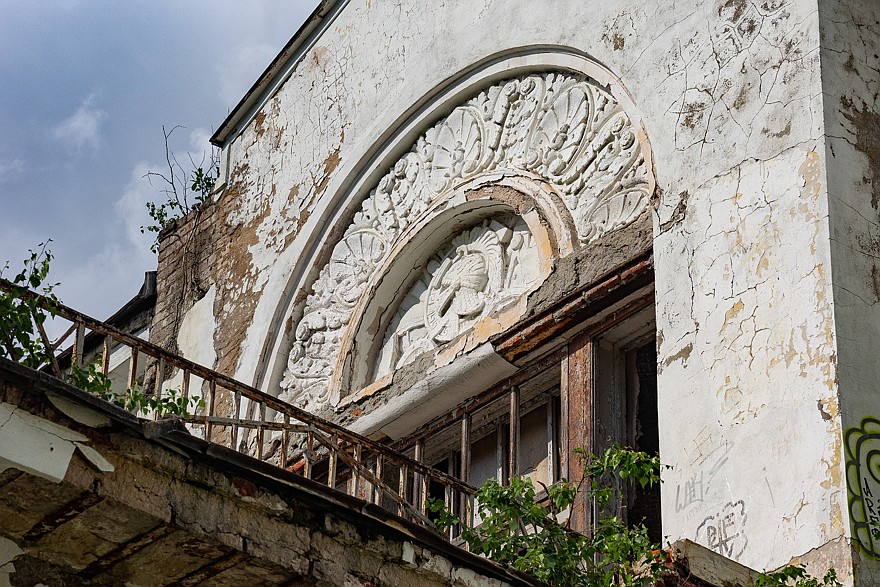
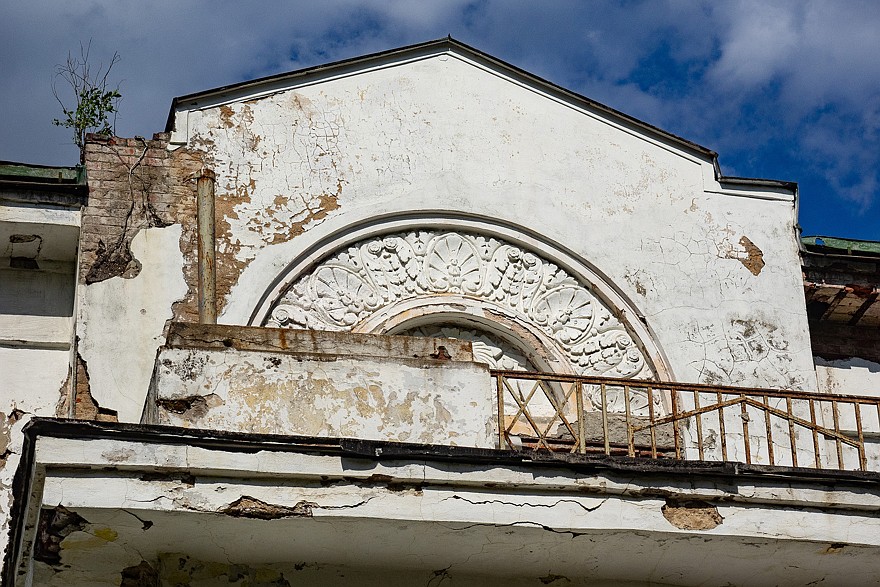
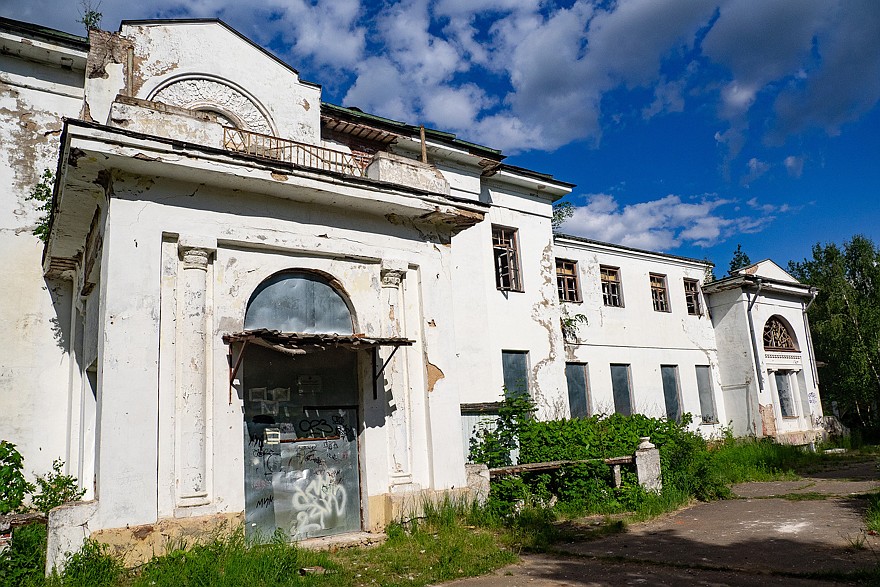
Another object is in approximately the same state as the heroes of the sad cartoon “We Go Looking,” that is, in a state of searching for an owner. We are talking about another small hydroelectric power plant, which is quite appropriate to conclude the story of the trip to Ruza and its surroundings – the Gorbovskaya HPP. This station, with a capacity of 0.5 MW, was built at the tail end of the “golden age” of small hydroelectric power plants in 1953. The station was needed to supply electricity to the town of Ruza itself, the Gorbovskaya technical cardboard factory, and also to provide energy for local agricultural enterprises. In 1964, the station was stopped, but already in 1986, the USSR Ministry of Energy approved a project for the restoration of the station. Then leisurely repair and restoration work began; as a result, the dam was put “under pressure” and even a test start of the hydraulic units was carried out. Nevertheless, in 2002, the HPP was finally stopped, although discussions about putting it into operation continue to this day. This was told to me by the elderly watchman, the station’s only employee. “Some people come regularly, look around, but it never goes any further,” he told me, picked up a jar of caught small fish, and went off to feed his cats. Well, I grabbed my camera from the car and went to film this object of techno-history.
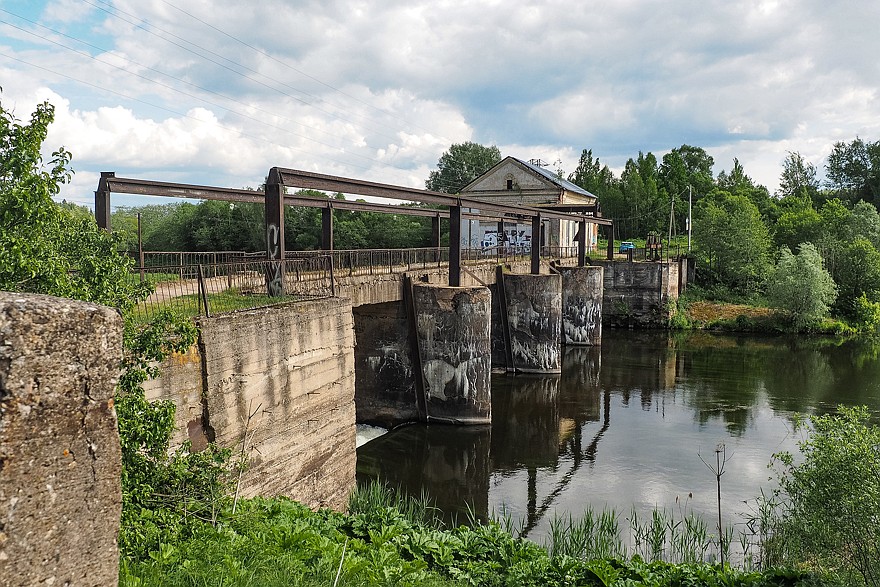
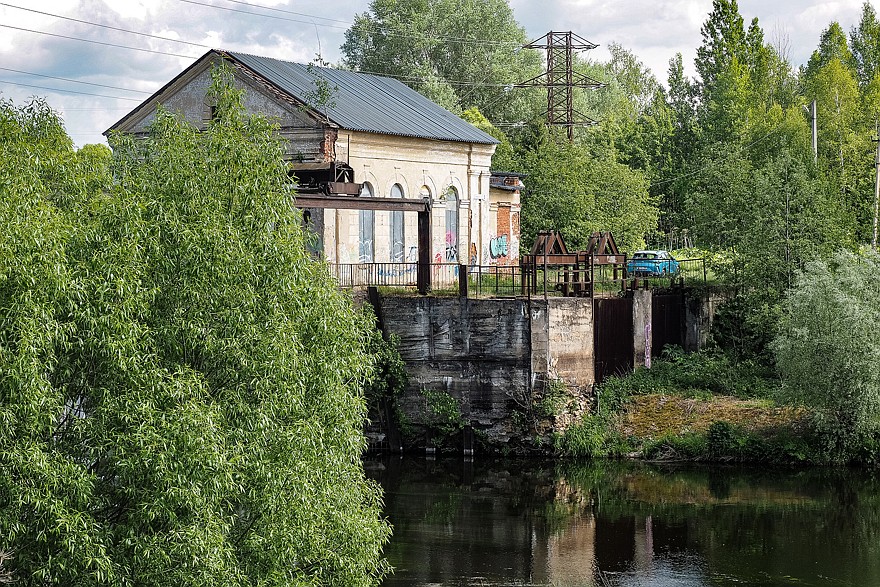
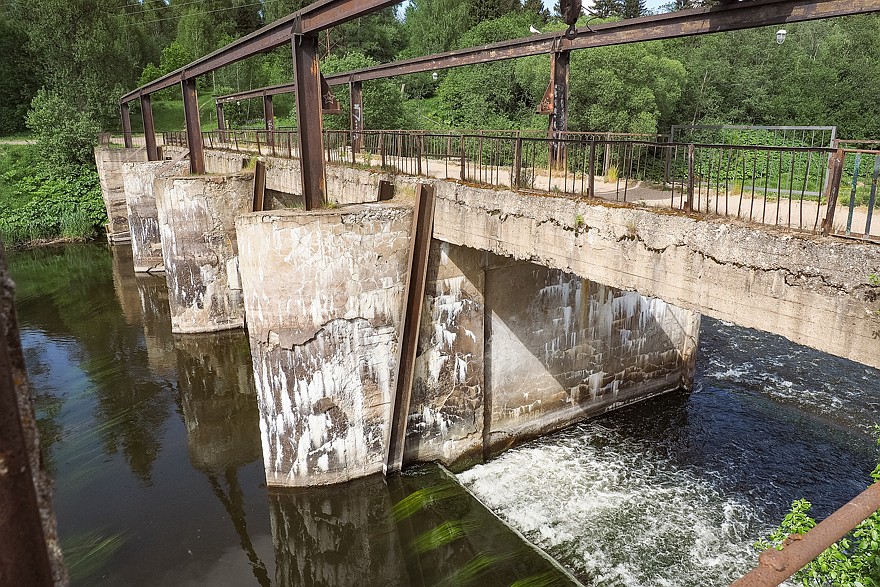
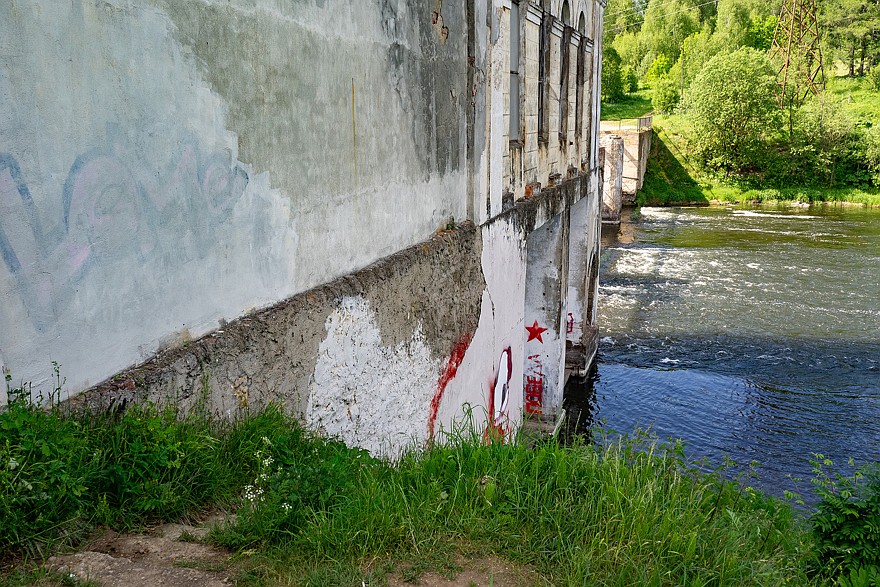
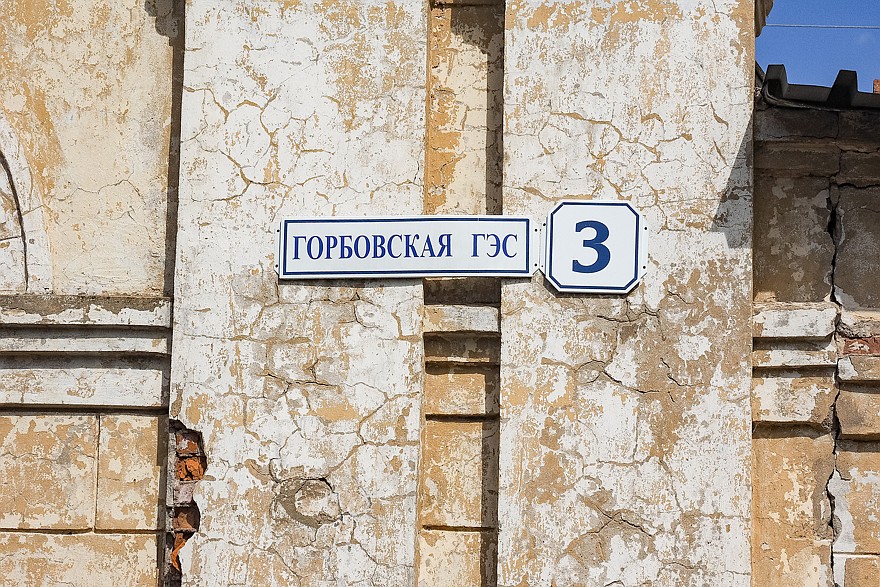
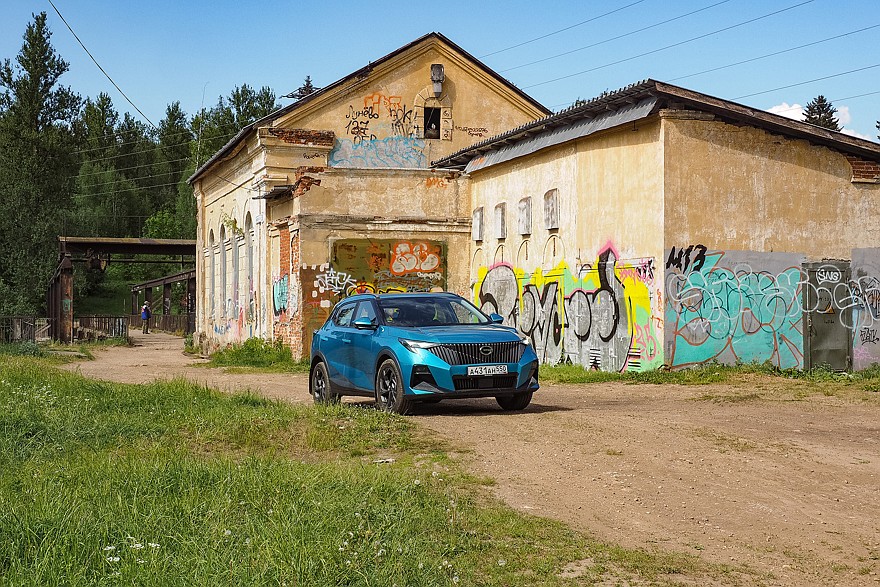
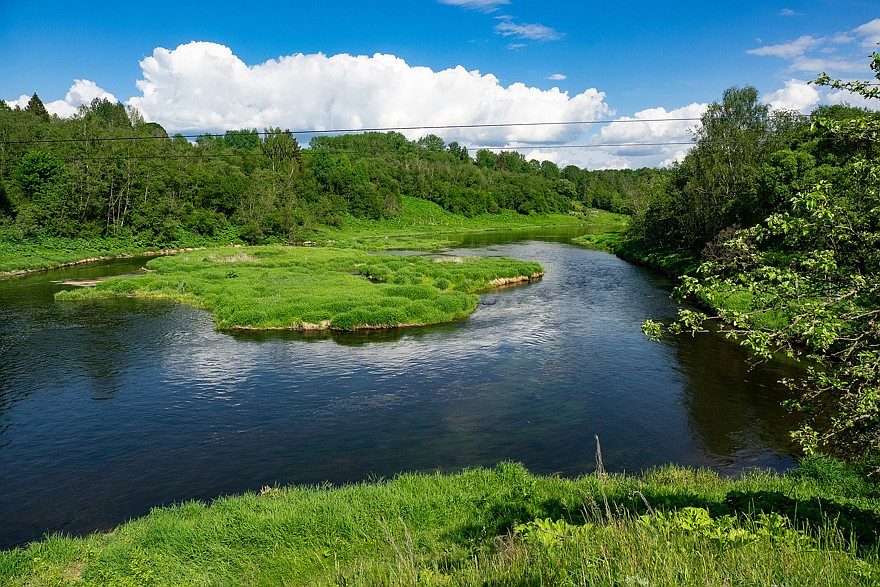
It must be said that the dam is clearly visible from the 46K-1220 highway, and a dirt road leads directly to it. But the road is partially overgrown and descends down a steep slope. I still didn’t dare to drive on it in the GAC GS3 – although the car is called a crossover, it is actually a hatchback styled as a crossover. So I first drove into Gorbovo itself, and then made my way to the dam along a dirt road, but without any slopes. And it’s good that there hadn’t been any rain before.
I would like the fate of the dam to turn out somewhat positively. A museum of small hydropower could be organized here, and tourists could be brought here. The station could be restored to operating status. But for now, the walls are becoming a canvas for ubiquitous graffiti lovers, the concrete is deteriorating, the metal structures are rusting, and the dam attracts lovers of technogenic artifacts and fishermen: according to the same watchman, ide, asp, and chub bite excellently here.