




















Removing damage through photo: why OSAGO verification via cameras is needed
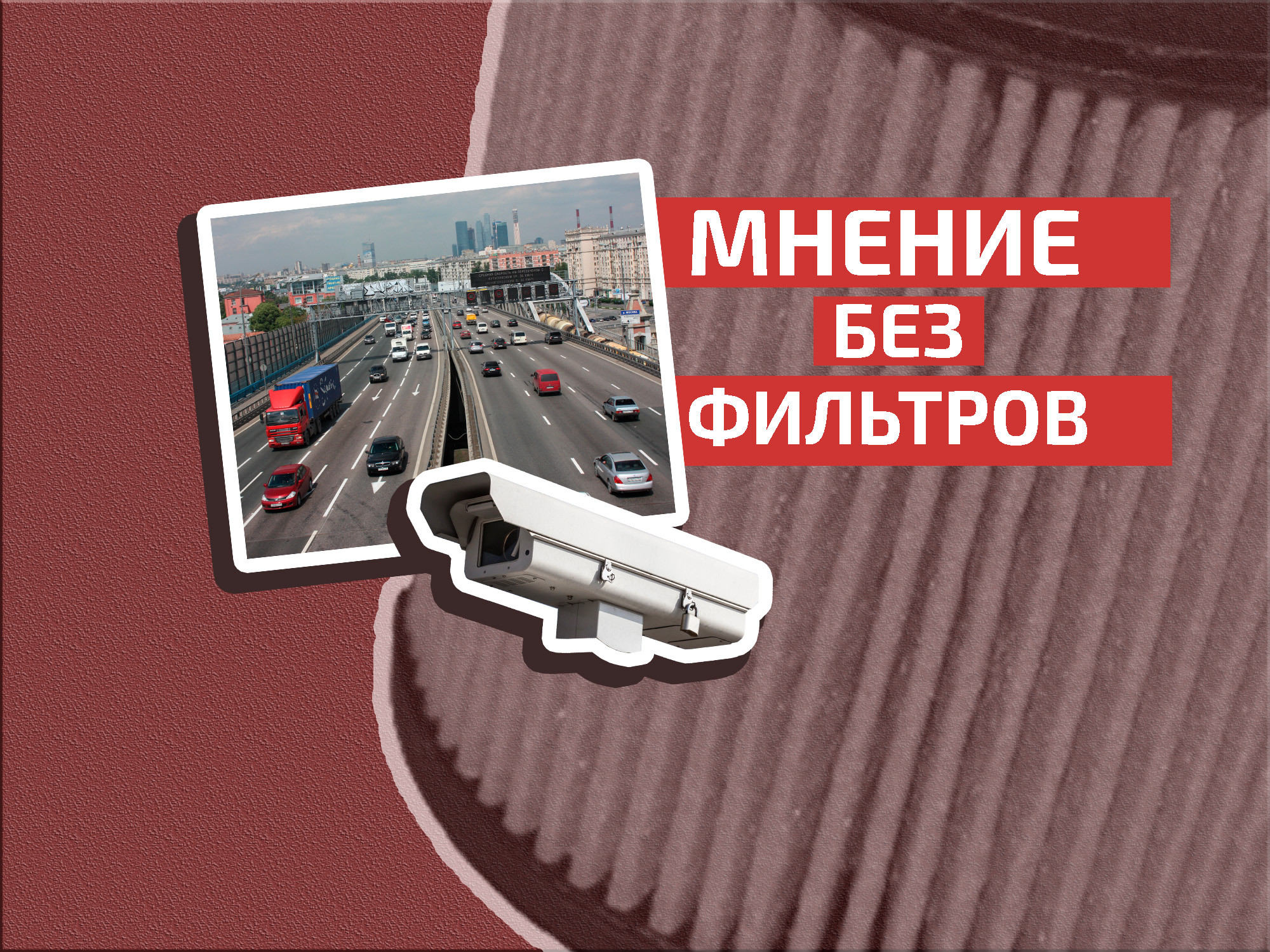
What everyone had been dreaming of has finally come true: starting in October, fines for driving without an OSAGO policy will be issued via traffic cameras. However, “everyone” really only refers to insurers. Strangely enough, even the Ministry of Internal Affairs has always viewed this idea with some skepticism and was in no hurry to implement it in practice. But insurance companies and the Ministry of Finance had been passionately pushing for such a law for about 14 years. They waited, and it happened.

Personally, I am strongly opposed to driving without OSAGO. The reason is probably simple: in 23 years behind the wheel, I have never been at fault in an accident, although my cars have been hit. And I have received payouts, which were always sufficient. Only once, in 2004, did a drunk driver without a policy crash into my VAZ-21099, and what I managed to squeeze out of him didn’t cover the repair costs. In short, I’ve usually been lucky with OSAGO, but when the at-fault party had no insurance, things turned out much worse. That said, I won’t deny that the crutches this system hobbles on across Russia are already quite worn out: there are many problems in this area. Will cameras help solve them? Of course not.
First, like any other new system, the camera-based fine system will make mistakes. Here, we can recall the situation with Rostransnadzor, which has recently been issuing fines for truck overloading using automatic weight control systems. There have already been cases where fines were sent to owners of passenger cars for one simple reason: drivers of overloaded trucks would alter their license plates before passing automatic control points, and the fines would then go to those plates. This is easy to do: just slightly change one character on the plate or even hang a found roadside plate on your car, and that’s it—no problem. And the most wonderful part is that often the passenger car owner could only cancel the fine through court. Some experts see the difficulty in the fact that the databases of the State Traffic Inspectorate and Rostransnadzor do not interact optimally, making verification of such camera fines problematic. In the case of OSAGO, the situation could be similar, since several systems must interact—at the very least, the State Traffic Inspectorate and insurers. Incidentally, the Ministry of Internal Affairs once also drew attention to this issue: data on policies often arrives late to the automated information system. Apparently, someone in that agency suspects there will be many errors, and they—not the insurers—will have to deal with them.
Second, the goals of introducing this fine are concerning. One frequently repeated phrase from various interested agencies sounds somewhat strange: to improve the insurance discipline of drivers. Translated into plain language, it means forcing those who previously didn’t buy OSAGO policies to do so. Overall, of course, that’s correct. But in my opinion, it makes sense to approach it from a slightly different angle: we already have plenty of sticks, no one is afraid of them, but there are somehow too few carrots. Why? Because the entire system of compulsory motor third-party liability insurance disgusts drivers. Why do we now have so many lawyers parasitizing on OSAGO? Simply because it has become the norm to get part of the money from the insurance company, then run to court and squeeze the rest out of it (because the payout amount is usually understated) or out of the at-fault party. Without this, serious car damage cases almost never get resolved. But this is abnormal! Yet that’s how it is.
Of course, insurers might say there isn’t enough money for adequate payouts and fair damage assessments. What to do? Raise the policy price? Enough—they’ve raised it as far as it can go. In fact, that’s why fewer and fewer people want to buy it: it’s expensive and partly useless. Maybe insurance companies should curb their own appetites? Oh, come on, that’s just nonsense.
Currently, according to various estimates, about 10% of car owners do not buy OSAGO policies. With the introduction of camera fines, their share is expected to drop to 5%. Let’s assume that. But then why was the policy check during vehicle registration abolished last year? It was precisely after that decision that the number of “uninsured” cars began to grow. One gets the impression that this check was abolished to justify the introduction of camera fines.
In short, motor third-party liability insurance should certainly exist. But there should also be simple civil liability, and that cannot be bought with money. Much like a conscience.