















































How to Save on Car Maintenance: What You Can Do Yourself
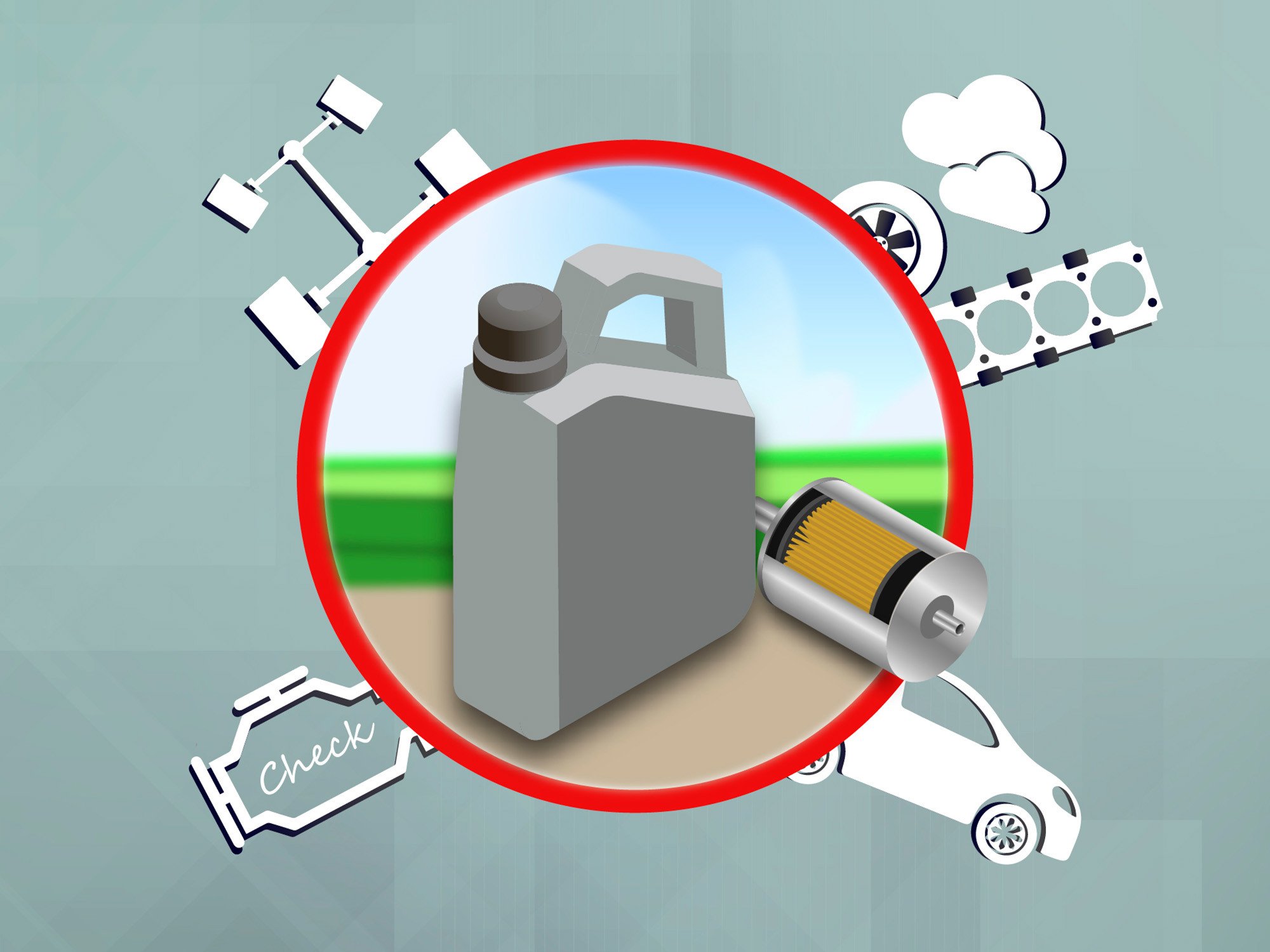
Car maintenance is becoming more expensive every year. Spare parts prices are rising, service costs are not standing still either, and some simple operations sometimes cost as if the mechanic is personally assembling the engine from scratch. At the same time, a significant portion of car maintenance can be done independently. Of course, this does not mean overhauling the engine or automatic transmission in a garage, but many tasks are quite accessible even to an owner without much experience.
The main advantage of DIY car maintenance is the opportunity to save money without compromising quality. Moreover, the owner begins to better understand the car’s structure and notices potential faults more quickly. And timely diagnostics often help avoid serious repairs in the future.
Key Aspects of Car Care
Saving starts not with repairs, but with prevention. Regular technical maintenance helps avoid many expenses. The earlier a problem is detected, the cheaper it is to fix. Therefore, it is useful to perform a simple inspection of the car at least once a month.
During the check, it is worth paying attention to the condition of the body, the level of technical fluids, the operation of the lighting, and any unusual noises while driving. Many faults give signals in advance; owners just rarely notice them.
For self-monitoring, it is enough to check:
- Engine oil level
- Antifreeze level
- Tire condition
- Operation of lights
- Presence of leaks under the car
- Condition of windshield wiper blades
Such diagnostics take less time than a trip to the store, but can protect against serious expenses.
Exterior Care
The body is the most expensive part of a car after the powertrain. And while the engine can be repaired, fighting corrosion often turns into an endless process. Therefore, body care cannot be considered solely a cosmetic procedure.
Regular washing helps remove road salts, bitumen, and dirt. It is especially important to monitor hidden cavities, wheel arches, and the underside of the body. After washing, it is useful to inspect the paintwork for chips. A tiny rust spot today can turn into a full-blown problem in a year.
Windows also require attention. A dirty windshield impairs visibility and accelerates wiper blade wear. And timely replacement of wipers is significantly cheaper than a new windshield.
Wheels deserve a special mention. Tire pressure affects not only safety but also fuel consumption. Under-inflated tires increase the load on the engine and accelerate tire wear. Checking pressure takes a few minutes but helps save on car maintenance throughout the entire season.
Interior Care
The cabin affects not only comfort but also the preservation of the car. Dirt and dust gradually damage plastic, fabric, and leather elements. Therefore, periodic cleaning is part of normal maintenance, not just an aesthetic concern.
Special attention should be paid to places that are rarely cleaned. Moisture often accumulates under floor mats, which can lead to floor corrosion. Plastic surfaces should ideally be treated with special products, and leather seats need periodic care with conditioners.
A good habit is to perform a thorough interior cleaning several times a year. This is cheaper than professional detailing and allows you to notice trim damage in time.
Mechanics: What You Can Do Yourself
Many owners overestimate the complexity of modern cars. In reality, some tasks are quite feasible to do yourself, even in an ordinary garage.
Without special equipment, you can independently perform:
- Replacing the air filter
- Replacing the cabin filter
- Replacing spark plugs on many models
- Installing new windshield wiper blades
- Replacing light bulbs
- Basic battery diagnostics
Furthermore, modern scanners allow you to independently perform initial diagnostics of electronic systems. Sometimes an error turns out to be a minor issue, not a reason to immediately go to a car service center.
However, it is important to understand the limits of reason. If it involves repairing the brake system, steering, or complex electronics, it is better to entrust the work to professionals.
Technical Fluids
You can save significantly on car maintenance by regularly monitoring the condition of technical fluids.
Engine oil is the main consumable material. It is advisable to check its level every few weeks. Changing the oil and filter on many cars does not require complex tools and can be done independently.
Antifreeze is equally important. A drop in the coolant level may indicate a leak. Ignoring such a sign is not advisable, as the consequences of engine overheating are much more expensive.
Brake fluid also requires monitoring. Over time, it absorbs moisture and loses its properties. If you lack experience, it is better to have it replaced at a service center, but every owner can monitor its level.
Other Important Aspects
Saving often comes from small things. For example, a burnt-out bulb is inexpensive, but if not replaced in time, you could get a fine or create a dangerous situation on the road.
The battery also needs monitoring, especially before winter and after long periods of inactivity. Checking the voltage with a multimeter takes a few minutes and helps you know in advance whether the battery needs charging or replacement.
Another useful tip is to keep a maintenance history. Records of oil changes, filter replacements, and other consumables help plan expenses and not forget about scheduled work.
Conclusion
DIY car maintenance is not an attempt to replace a professional auto service center, but a sensible way to reduce costs. Simple diagnostics, monitoring technical fluids, body care, and performing basic tasks allow you to save a noticeable amount of money each year. The main thing is to realistically assess your capabilities. Some operations are indeed easy to do yourself in the garage, while others are better left to professionals. This approach helps keep your car in good condition and avoid unnecessary repair costs.