










































How to Choose a Used Toyota Highlander
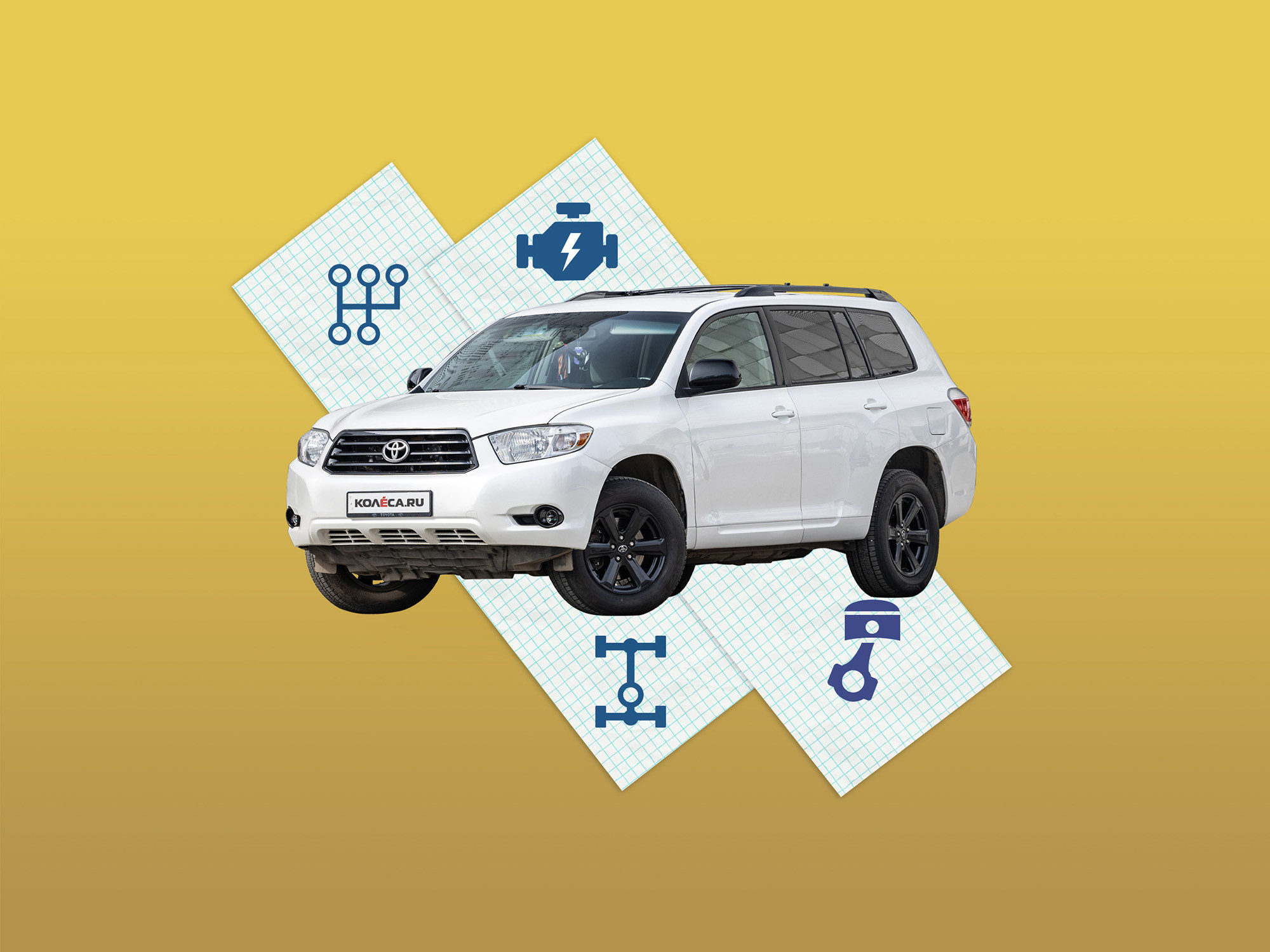
In the first part of the material, we found that the second-generation Toyota Highlander will not disappoint with frequent electrical faults, features a highly wear-resistant interior, and does not suffer from total corrosion. It remains to be seen how things stand with the brakes and suspension, and most importantly – whether the engines and transmissions of this car are as reliable as Toyota units are supposed to be.
Running Gear
Brake System
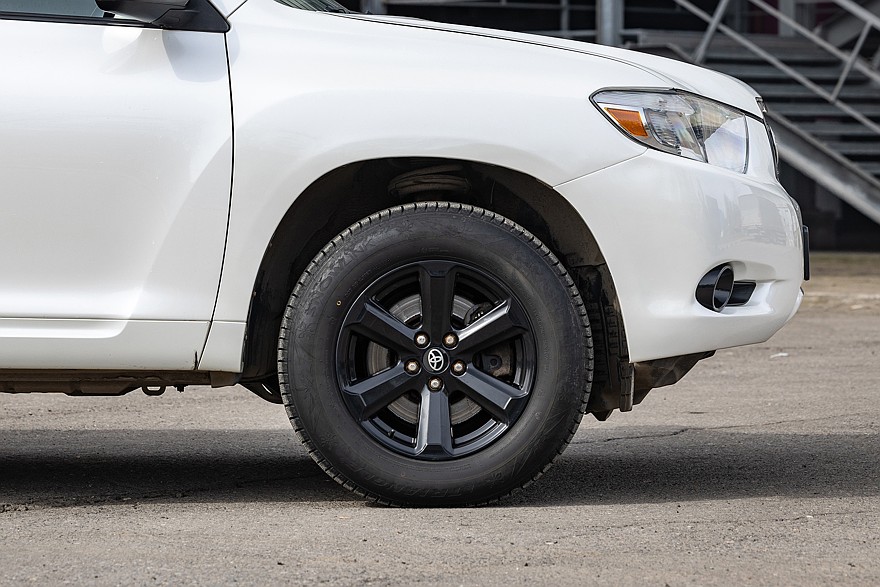
The Highlander is certainly not lacking in brakes. The front discs measure 328×28 mm, which is quite decent for a family car. The main thing is not to confuse it with a sports car, as sometimes happens with hot-headed guys. For the 3.5-liter engine variant, it’s perfectly normal, and for the 2.7-liter, in my opinion, even slightly excessive, but as we know, you can never have too many brakes. The calipers are simple, dual-piston with a floating bracket. The only issues to note are the accumulation of dirt between the cylinders, and you need to remember to flush and more frequently replace the overly soft guide pins.
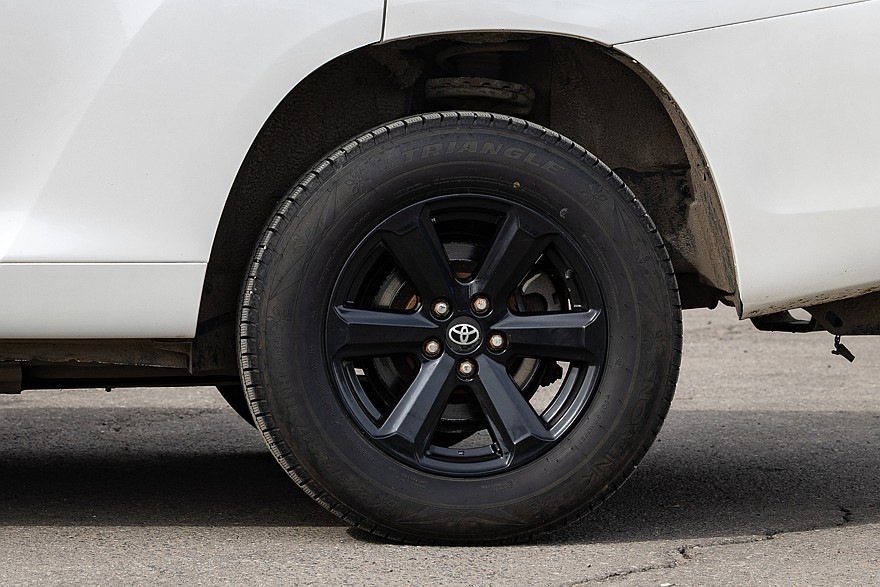
On the rear axle, non-ventilated brake discs measuring 309×10 mm are used, which is also good. The parking brake is a drum type, but its actuation is “foot-operated,” which is quite complex. The rear main brake caliper at the back is also simple, with a floating bracket, and very reliable.
Among the nuances, I note the need to monitor the condition of the brake lines, which often rust through to holes. However, the ABS doesn’t cause much trouble. The sensors sometimes fail, but half of their problems are caused by faulty wiring connectors.
Suspension
Both the front and rear suspensions of the Highlander are MacPherson strut type. And they are slightly underbuilt for a vehicle of this weight. Moreover, owners tend to install 20-21-inch wheels, which has a very negative impact on the lifespan of the suspension, steering, and comfort. Even on the standard 19-inch wheels, the car is already somewhat stiff (though they don’t harm the lifespan), while on 17-inch wheels, it’s a model of comfort.
The front suspension often serves without problems for over a hundred thousand kilometers, but only with 17-inch wheels. Those who drive “tuned” cars with large wheels complain about the suspension very often. It feels like replacing the strut mounts, ball joints, and front control arm bushings is required at virtually every second service, or at best, every third.
However, even with standard-sized wheels, the strut mounts often require replacement at around a hundred thousand kilometers. The lifespan of the stabilizer links is limited to about 30-40 thousand, and the original ball joints don’t set longevity records either. But everything is inexpensive. For example, non-original replacement ball joints of decent quality can be bought for 2500-3000 rubles (originals cost 9000), control arm bushings, even from not-so-good manufacturers, cost 400-500 rubles, and a complete control arm can be found for less than 3000. So, even those whose suspension doesn’t last long don’t go broke on repairs.
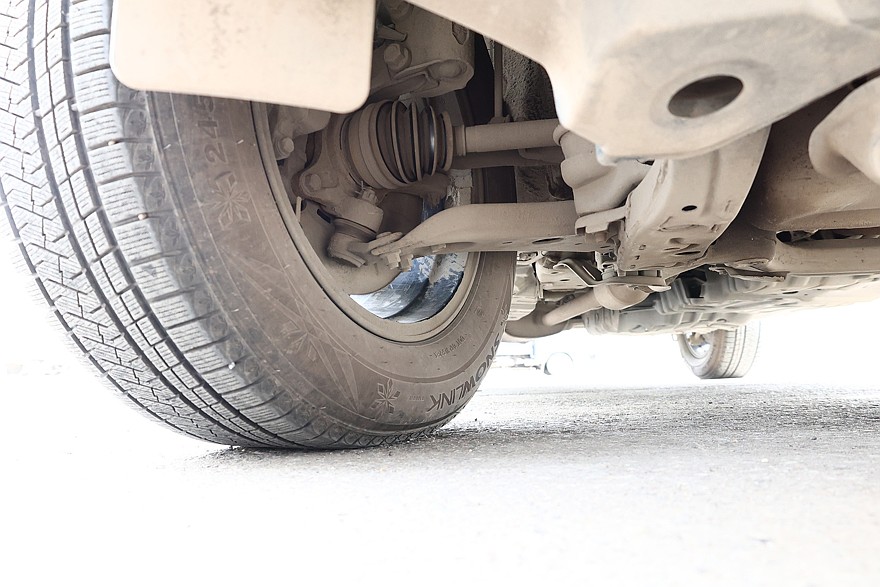
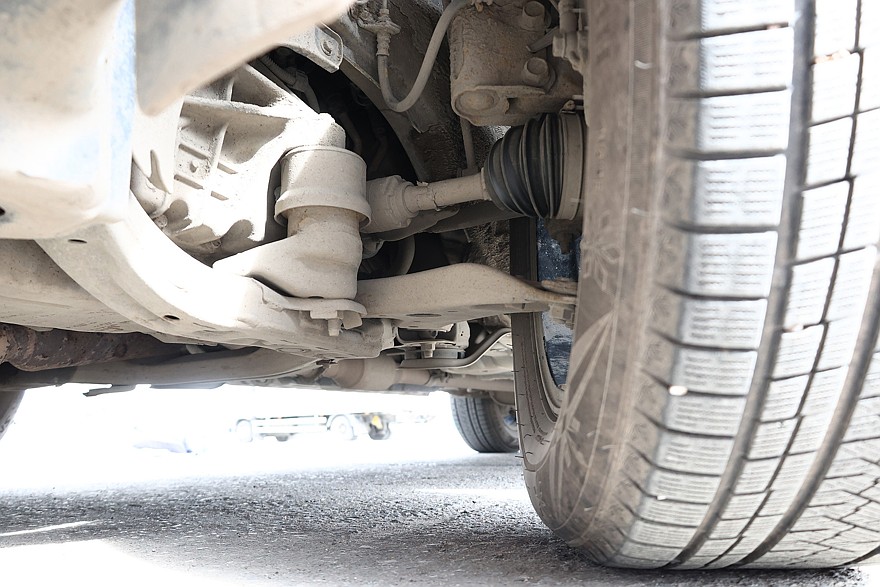
The situation with the rear suspension is similar: everything is inexpensive, everything is replaceable, and the service life depends on what wheels are on the car. And also on the average load. The knuckle bushings suffer most often, and to a lesser extent, the inner bushings of the trailing and lateral links. And for those who love to overload their car, there are polyurethane bushings. However, there is almost no comfort left with them.
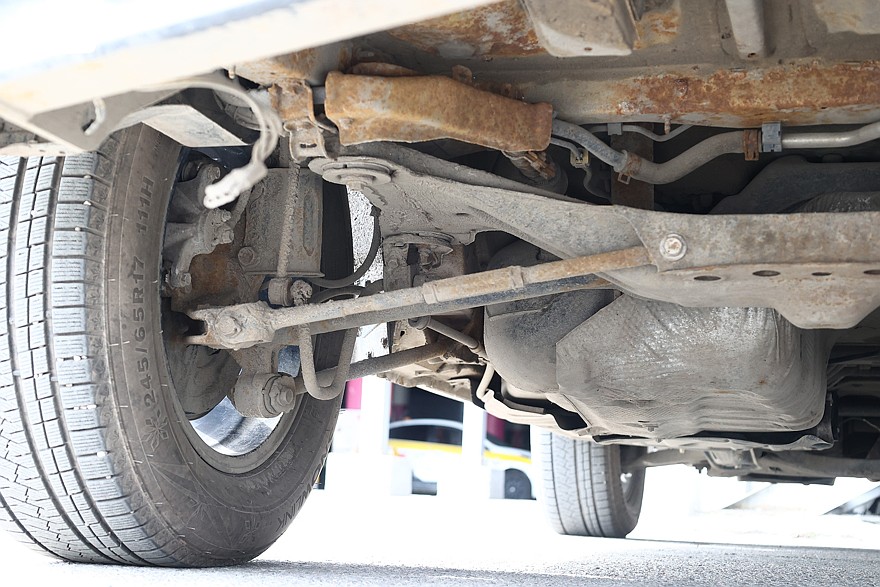
Prices for rubber elements of the rear suspension are low, ranging from 250 to 1500 rubles per part, but original spare parts are almost non-existent. Camber arms cost around 4000 rubles each, and the front lateral link is about half that price. In short, the suspension will definitely not bankrupt a Highlander owner.
Steering
The steering on this generation of Highlander has electric power steering (EPS), and a cheap one at that – with the motor located on the steering column. Similar to our Lada Kalina. Among the advantages of this scheme is the fact that the rack doesn’t leak, and due to moisture ingress and wear of the side bushings, it will only knock. But if you turn the wheels in place, it will start knocking early. Among the disadvantages – it whines in the cabin, the bearing in the steering column fails quite quickly, and the car handles like a barge. Overall, the design is quite reliable; you just need to remember to refresh the grease in the rack and check it for play every time you replace the tie rod ends.
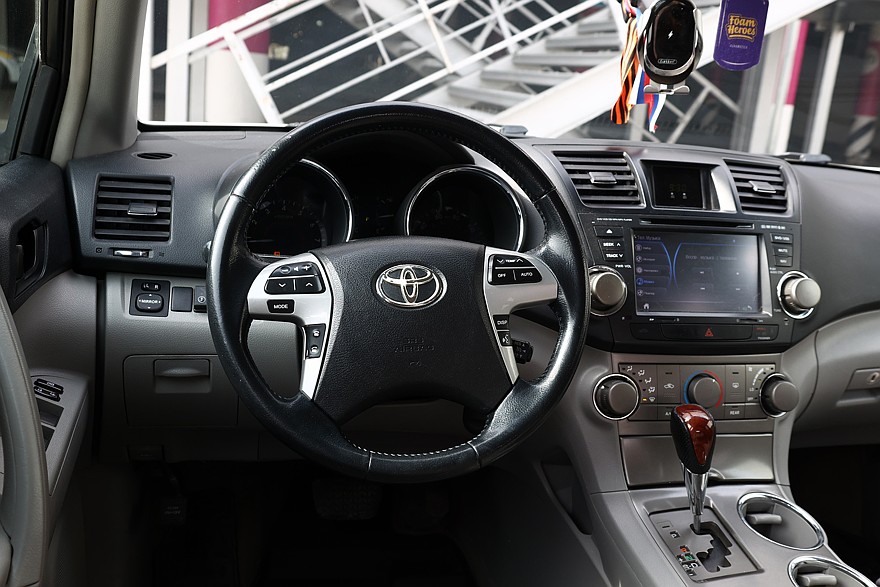
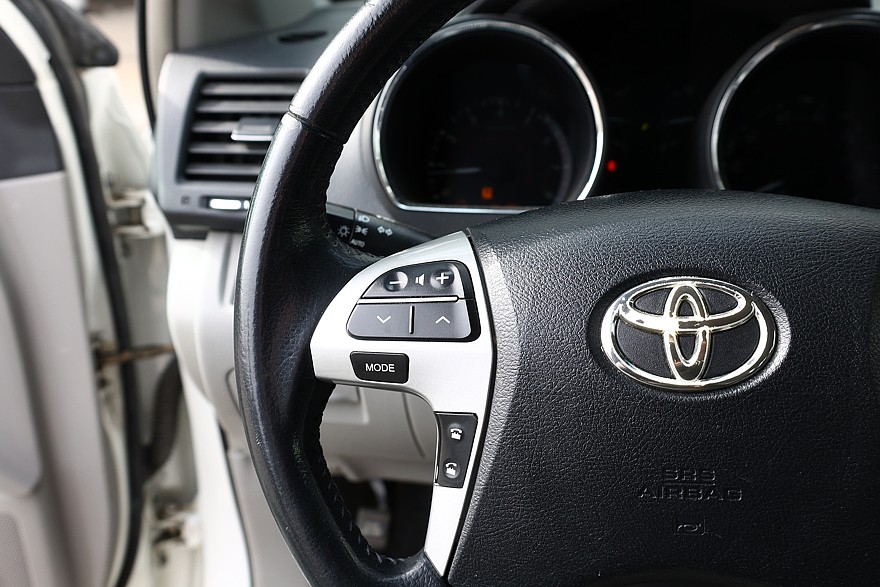
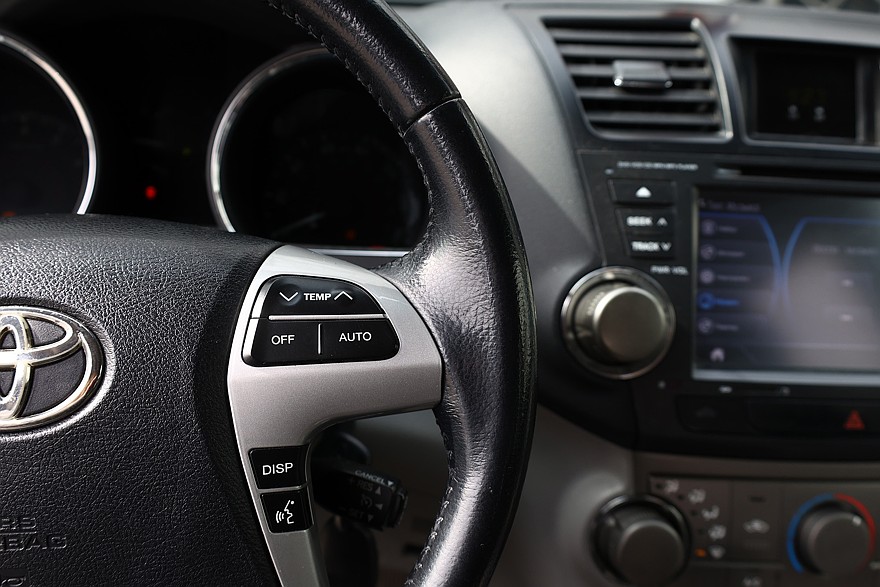
Slightly more problems arise with the electrical part, which can include power cut-offs, dependence on ABS operation, and sometimes burnt connectors. The rack’s electrics really dislike careless bodywork, wet connectors, and those who hold the steering wheel under load.
Transmission
Common Problems
A typical issue with the Highlander is drive shaft wear. The front inner tripod joints fail first, manifesting as vibrations not only during acceleration but even in steady-state conditions. The outer CV joints, including the rear ones, also require attention and don’t last very long. Especially on cars with the 3.5-liter engine, where the drive to the rear axle is constantly engaged. At mileages over 200 thousand kilometers, it’s almost certain that not a single original joint will remain in the car.
Automatic Transmissions
All transmissions in the Highlander are automatic. The 3.5-liter engines were paired with the 5-speed Aisin U151F, and the 2.7-liter engines with the 6-speed Aisin U760E. Hybrids have their own transmission with a planetary power split device.
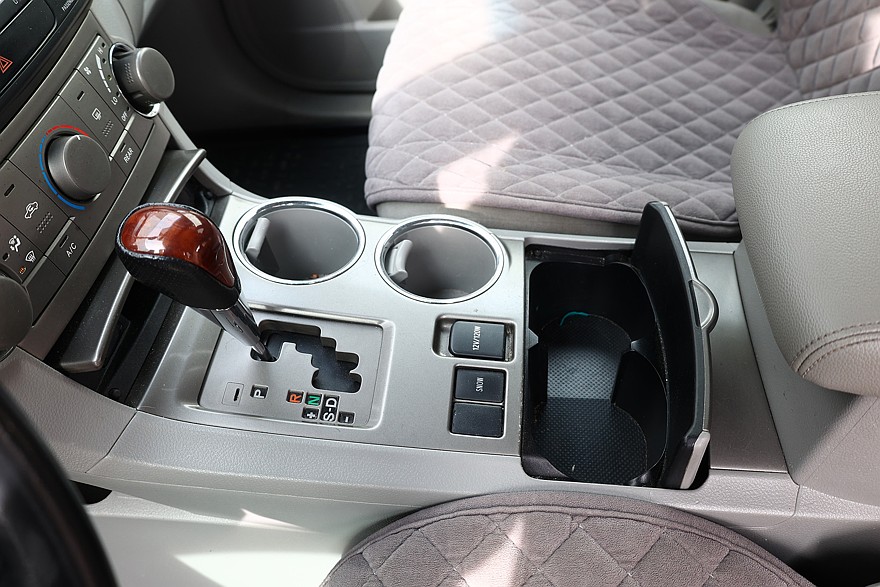
The old U151F automatic is a fairly robust transmission, but in the Highlander, it works in conjunction with the powerful 2GR engine, and the car is heavy. So, its average lifespan doesn’t compare to that of the front-wheel-drive version of this automatic transmission with the U151 index in lighter cars. Nevertheless, it is a very reliable unit that can last 200 or even 300 thousand kilometers with careful use. The main thing is to change the oil in time and repair the torque converter before the friction linings wear down to dust and the adhesive layer gets into the oil. Because subsequently, the oil pump, the overdrive pack, and then the “direct” pack suffer. For prevention, it is recommended to replace the seals of the rear transmission support, which fortunately doesn’t even require disconnecting it from the engine – everything can be done on the car. The price of the seal rings is negligible, 300 rubles, but the cost of repairing the overdrive pack is over 80 thousand, excluding the cost of repairing the “donut.” At mileages over 300 thousand, problems such as play in the planetary gear pinions and chipping of the front planetary gear teeth appear. Also, oil leaks through the drive shaft seals and the oil pump bushing on high-mileage transmissions with worn bushings are quite common.
This transmission was used not only with 3.5-liter engines, so there are plenty of used units and donors for repair. And overall, with careful use, it is quite durable: it can handle the 3.5-liter engine, and it will likely break only after the engine has been replaced with a used one and the body has rusted away. The main complaints about it come from those who regularly floor it and consider it maintenance-free.
However, the more modern U760E can barely handle the torque of the 2.7-liter engine. The transmission itself is good: six speeds, crisp shifts, low fuel consumption, and always enough traction. But the entire U660/760 series suffers from wear of the center bearing of the housing due to vibrations from the UD planetary gear. The bearing itself is weak, so not only does the U660 die from the loads of 3.5-liter engines in the Camry, but the 760 transmission also eventually dies from the torque of the 2.7-liter engine.
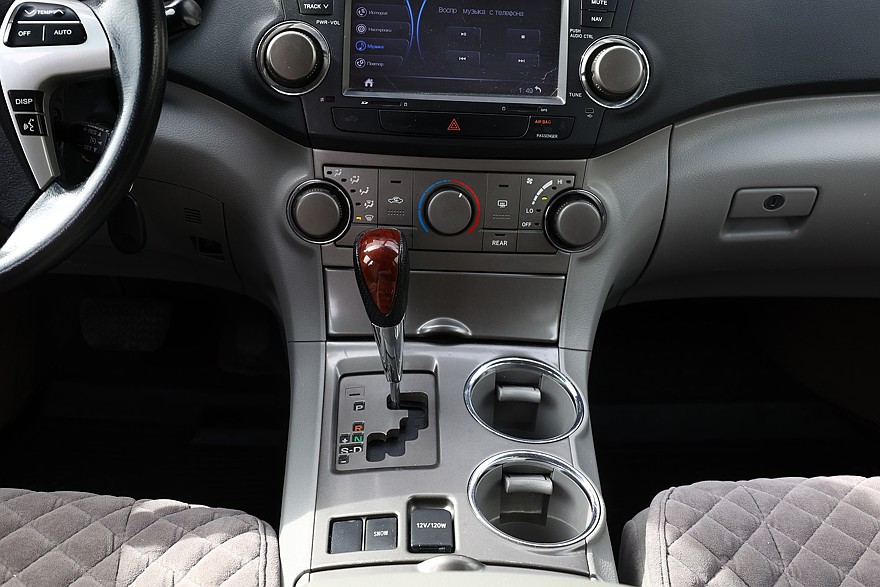
Since everything depends on loads, the moment of failure is poorly predictable. But a howling noise like a trolleybus is definitely that very problem. Repair will require either replacing part of the transmission housing or installing a repair steel bushing and a reinforced bearing. Of course, the transmission will have to be completely overhauled. Another problem is that the destroyed bearing and housing wear products, as well as the distorted geometry of the planetary gears, kill almost all the internal components of the automatic transmission. In short, working transmissions of this series are not cheap, repair is expensive, and finding the exact model for a Highlander or Lexus RX can be not just expensive, but very expensive. 250-350 thousand rubles for a Japanese automatic transmission from a Japanese car is a lot by any measure. By the way, don’t forget that this automatic also has the problem with the rear support. And the torque converter lockup linings also wear out very early with quick starts, and contamination from the lockup friction material is one of the factors accelerating the destruction of the housing bearing.
The hybrid version is renowned for its trouble-free nature. At most, sometimes there is talk about transmission overheating, additional radiators for its mechanical part, and improving inverter cooling. But there are few such cars, and therefore there is very little statistics on system operation.
All-Wheel Drive
Weak points of the Highlander include the angle drive on cars with the 2.7-liter engine, which everyone stubbornly calls a transfer case. The nuance is that on cars with the 3.5-liter engine, the transmission is indeed a permanent all-wheel drive with a transfer case, but it has noticeably fewer problems: it is better sealed, and the maintenance schedule prescribes oil changes. True, some unique individuals manage to “destroy” the transfer case as well, but that’s a topic for another discussion about the safety margin of the transmission in a crossover.
The lack of a scheduled oil change for the angle drive in versions with the 2.7-liter engine and weak seals lead to oil leaking out, and sometimes water getting in. In the most advanced cases, not only the working gear pair and shaft splines fail, but also the housing itself. Smart Highlander owners regularly change the oil, monitor for sweating at the seals, and try to reseal the transfer case and angle drive.
As for the coupling, it is generally quite reliable and doesn’t cause much trouble.
Engines
Common Problems
Even Toyota has been affected by the trend of making many elements that last “only” about ten years. This mainly concerns the engine cooling system and vacuum lines, which contain a lot of plastic that dries out and cracks.
Gasoline Engines
The main engine in the Highlander is the famous 3.5-liter 2GR-FE. Everyone considers it an excellent and very durable engine. But in reality, now that average mileages are slightly over 200 thousand kilometers, there is a shortage of used units; owners are often forced to do major overhauls due to oil consumption, burnt pistons, or neglected oil levels. Many calmly consider oil consumption of 1-2 liters per thousand kilometers a design feature, because the car doesn’t even smoke (if the catalytic converters are in place). In short, there are questions about this unit, and you certainly shouldn’t rely on the reliability of Japanese engines and the cheapness of used units.
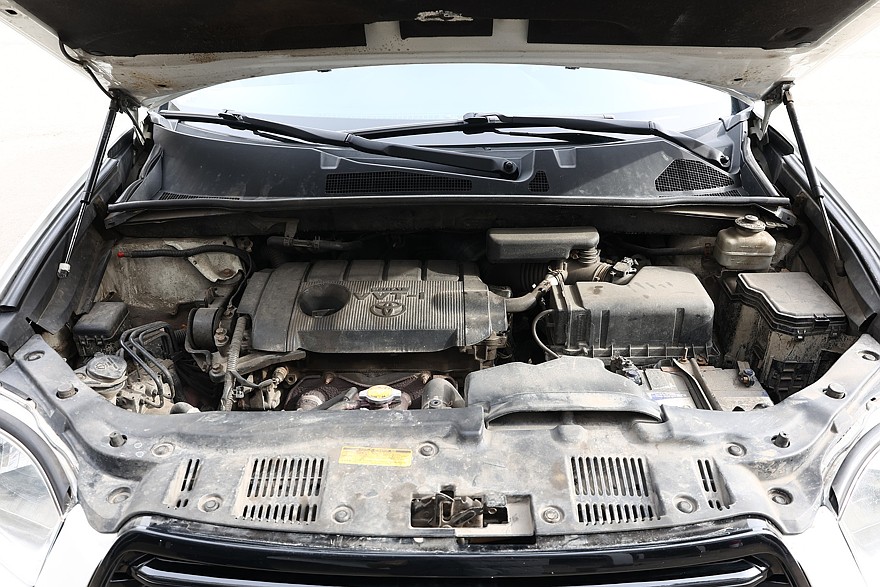
Common complaints about the 3.5-liter engine in lighter cars boil down to it quickly destroying the automatic transmission, rattling VVT-i actuators, having a limited lifespan for the main and electric water pumps, and high fuel consumption. Early engines also had issues with the oil gallery, weak ignition coils, and some other minor things. Rare cries of “mine died, the piston shattered, or the connecting rod broke” in the “Camry club” are silenced with bans.
In heavy crossovers, the highly boosted version of the passenger car engine turned out not to be so good. Perhaps a “truck” 1GR would have been more suitable for the Highlander, because oil consumption and burnt pistons clearly indicate local overheating and severe strain on the piston group. And depending on the intake type, connection, and radiator layout, the engine’s first or fifth cylinder suffers first. It’s no coincidence that different engine versions differ in the presence or absence of a swirl insert in the engine’s cooling jacket.
A small study showed that 2GR engines in a significant portion of heavy crossovers were replaced or overhauled at mileages from 150 thousand kilometers. And many, suffering from an “oil-burning” and already knocking unit, are looking for where to buy a replacement. And judging by the shortage of engines, it fails not only in the Highlander. But among Toyota owners, it is customary, how shall I put it mildly… to exaggerate the reliability of engines and hush up problems to maintain the high residual value of the cars.
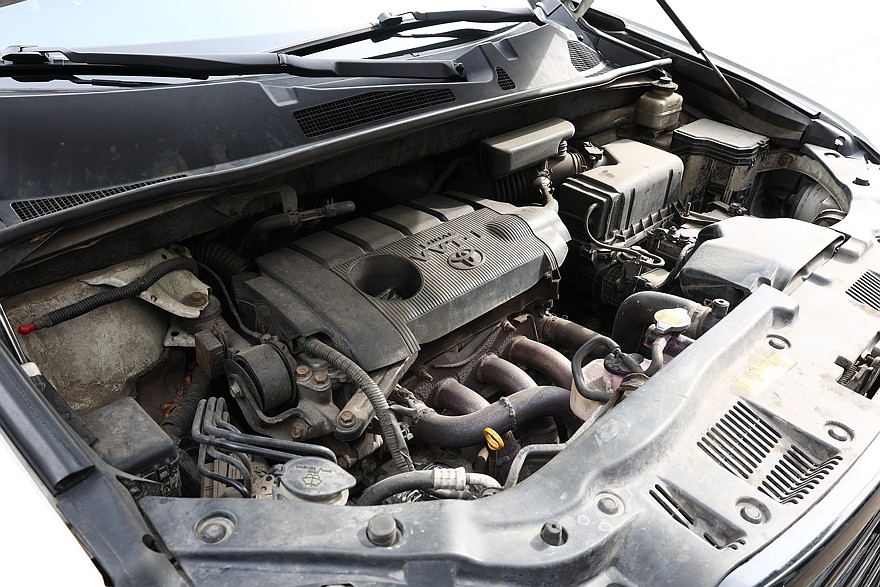
Interestingly, the 2GR-FXE in hybrids does not break. At all. It suffers from oil consumption, but it doesn’t fail. A different load, lower power, and a transmission that doesn’t allow heavily loading the engine make this version more stable and reliable.
The 2.7-liter 1AR-FE has a completely different quality. Here, the timing drive lasts a long time, the piston group doesn’t burn, and overall it is significantly simpler than the 2GR and easier to maintain. The ultimate lifespan of the piston group might be less, since after 250-300 thousand kilometers, oil consumption progresses due to wear of the rings and cylinder bores, as well as sticking oil control rings, but even in this case, the engine maintains oil pressure. The cylinder head pressure and valves also remain in order. Among relatively modern units, this is one of the most reliable engines. The cylinder head doesn’t lift, and connecting rods don’t break. The engine is, of course, boring – weaker than the 3.5-liter, but it is much better in every other way. It is only bad because it is paired with a much weaker and more expensive automatic transmission.
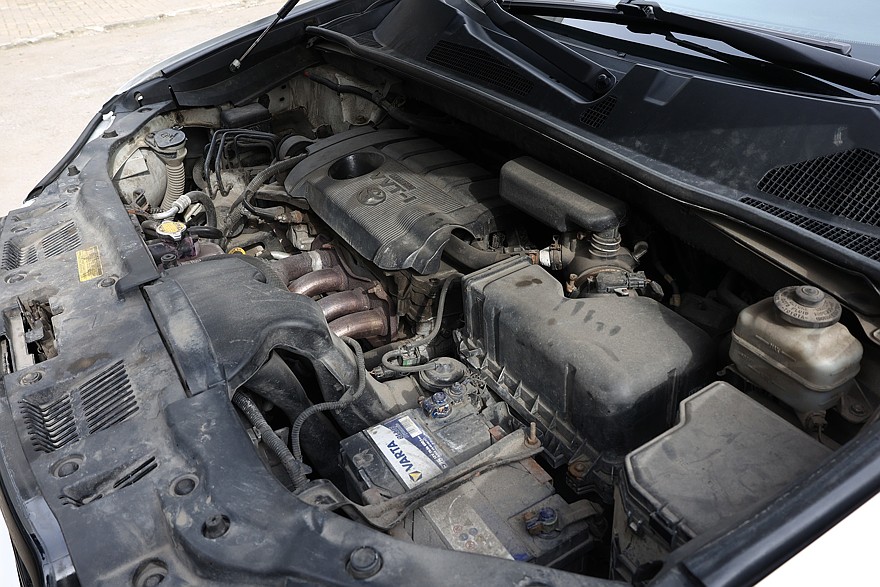
Pre-facelift hybrids also used a much older generation engine – the 3.3-liter 3MZ-FE. The main difference from the 2GR series is the use of a timing belt, and not a very successful one at that. Moreover, this engine was prone to oil consumption at mileages over 250 thousand kilometers, but this mainly concerns the versions installed in hybrids. However, despite all this, pistons burning, connecting rods breaking, and other unpleasant things were extremely rare. Among the minor drawbacks, we note fluctuating idle speed, knock sensor malfunctions, and very finicky variable valve timing actuators. Among the pluses – the availability of two repair sizes for the piston group and repair bearing shells. In short, this is an engine from the old Toyota school, albeit quite demanding in terms of maintenance.
To Buy or Not to Buy?
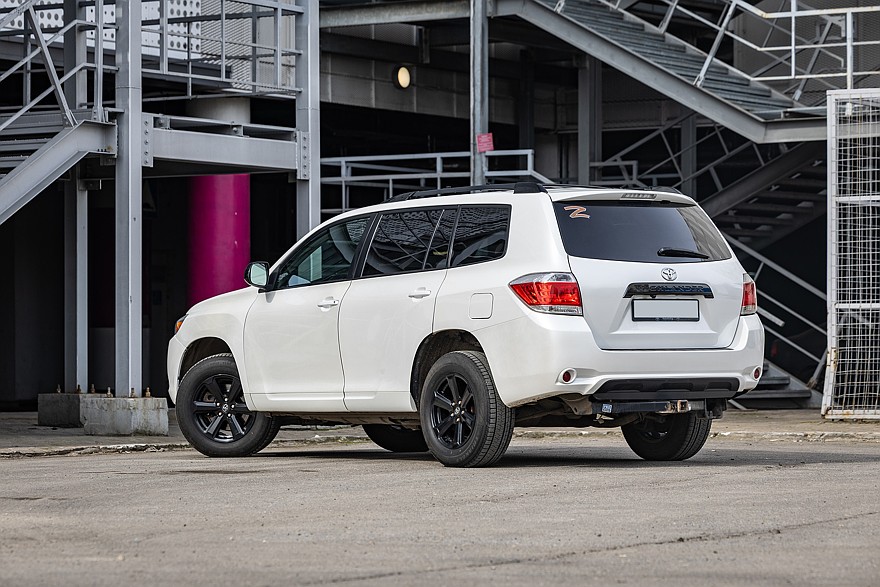
If you need a large crossover, and not some hypothetical embodiment of success on wheels, then the second-generation Toyota Highlander is a good option. It is most practical with the 2.7-liter engine, but only on the condition of a healthy automatic transmission. Ideally, one that has already been repaired, with a repair bearing insert and serviced overall. But cars with the 3.5-liter engine shouldn’t be discounted either. And all hybrid versions are also good, especially if you don’t worry about taxes, fuel consumption, and don’t try to drive them “flat out” all the time.